Effective Crop Protection Guide Using Thiram Fungicide
Thiram Fungicide: The Ultimate Guide to Effective Crop Protection
Maintaining crop health requires a strategic approach to disease management, and thiram fungicide remains one of the most trusted tools in the agricultural arsenal. As a broad-spectrum protectant, it serves as a critical line of defense against various soil-borne and foliar pathogens. Whether you are managing large-scale commercial farms or specialized nurseries, understanding how to leverage this chemical effectively can lead to significantly higher yields and healthier harvests. In this comprehensive guide, we will explore its chemical properties, diverse applications, and the technical specifications that make it a staple in modern farming.

How Thiram Fungicide Works to Protect Plants
The efficacy of thiram fungicide lies in its role as a contact fungicide. Unlike systemic treatments that are absorbed into the plant's vascular system, thiram creates a protective chemical barrier on the surface of the seeds or leaves. This barrier prevents fungal spores from germinating and penetrating the plant tissue. It is particularly effective against damping-off and various root rot diseases, which often devastate seedlings in the early stages of growth. By disrupting the metabolic processes of the fungi, thiram ensures that the plant can establish a strong root system without biological interference.
Pro Tip: For maximum efficacy, ensure the fungicide is applied uniformly during the seed treatment process to avoid "blind spots" where pathogens could enter.
Key Applications of Thiram Fungicide in Agriculture
The versatility of thiram fungicide allows it to be used across various stages of the plant lifecycle. Its most prominent use is in seed dressing, where it protects seeds from soil-borne fungi during germination. Additionally, it is frequently used as a post-harvest treatment for certain fruits and vegetables to prevent mold growth during transport and storage. From ornamental flowers to cereal crops and vegetables, its broad-spectrum nature makes it applicable to a vast array of botanical species, reducing the need for multiple specific chemicals.
Primary Application Areas:
• Seed Treatment: Prevents seed rot and early seedling blight.
• Soil Application: Controls soil-borne pathogens in nursery beds.
• Post-Harvest: Extends shelf life by inhibiting surface mold.
• Foliar Spray: Provides a protective shield against airborne spores.
Comparative Analysis: Thiram Fungicide vs. Systemic Fungicides
Choosing between a contact agent like thiram fungicide and a systemic fungicide depends on the specific threat. Contact fungicides are generally more cost-effective and have a lower risk of the fungus developing resistance. Systemic fungicides, while providing internal protection, are often more expensive and require precise timing. For preventative measures—especially during seed sowing—thiram is often the superior choice due to its immediate surface action and stability.
Optimizing the Use of Thiram Fungicide for Best Yields
To achieve the best results with thiram fungicide, timing and concentration are key. For seed treatment, it is essential to apply the fungicide immediately before sowing to ensure the protective layer is fresh and active. When used as a foliar spray, rotation with other fungicide classes is recommended to prevent any potential fungal adaptation. Furthermore, ensuring that the application equipment is calibrated prevents over-application, which could lead to unnecessary chemical runoff or phytotoxicity in sensitive plant varieties.

Technical Specifications of Thiram Fungicide
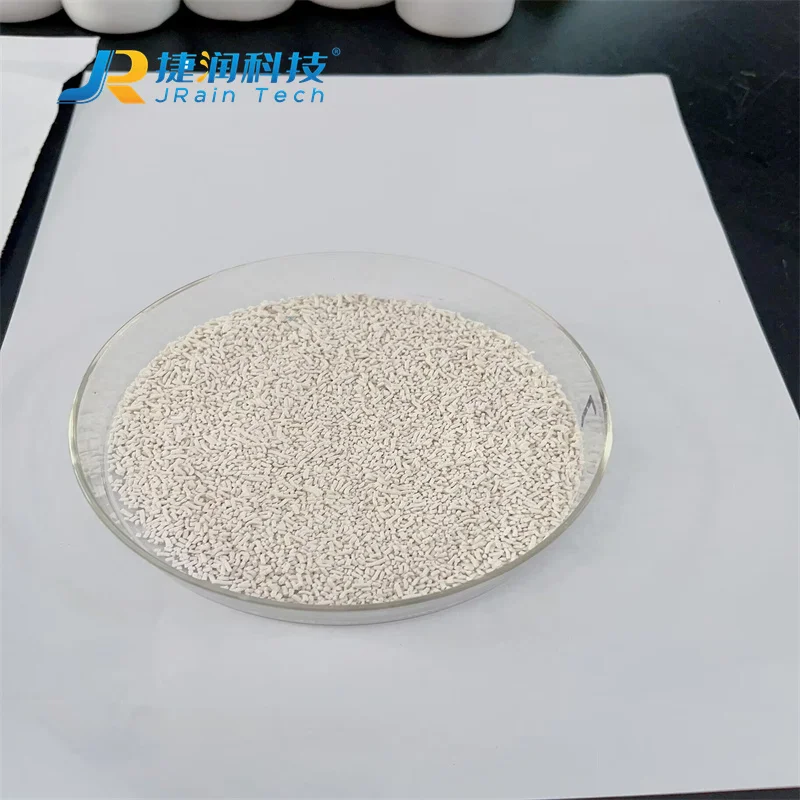
For industrial buyers and professional agronomists, the technical purity and formulation of the chemical are paramount. Thiram fungicide (Tetramethylthiuram disulfide) is typically available in various grades, including technical powder and wettable powders (WP). Its stability under various temperature ranges makes it suitable for global export and long-term storage in diverse climates. Below are the standard specifications typically found in high-quality commercial thiram.
Safety and Environmental Considerations
While thiram fungicide is highly effective, responsible application is mandatory. Users should always wear appropriate Personal Protective Equipment (PPE), including gloves and masks, to avoid skin irritation or inhalation. Environmental stewardship requires avoiding application near open water sources to prevent aquatic contamination. By adhering to the recommended dosage and following local agricultural regulations, farmers can maximize the benefits of thiram while minimizing the ecological footprint, ensuring a sustainable farming future.
Conclusion: Securing Your Harvest with Thiram Fungicide
Integrating thiram fungicide into your integrated pest management (IPM) strategy is a proven way to safeguard crops from devastating fungal infections. Its versatility, from seed dressing to post-harvest protection, combined with its cost-effectiveness, makes it an indispensable tool for modern growers. By focusing on correct application and technical quality, you can ensure robust plant growth and higher market value for your produce. Invest in quality protection today for a more bountiful tomorrow.
Frequently Asked Questions (FAQs)
Is thiram fungicide safe for all types of seeds?
While thiram is broadly applicable, some very sensitive seed varieties may exhibit phytotoxicity if the concentration is too high. It is always recommended to perform a small-scale trial or consult the specific crop guidelines provided by the manufacturer. For most cereals, vegetables, and ornamentals, thiram is safe and highly effective. Always follow the dosage instructions on the label to ensure that the protection does not interfere with the natural germination process of the seed.
Can thiram be mixed with other agricultural chemicals?
Thiram is generally compatible with many other fungicides and insecticides, which is why it is often found in combination products. However, mixing with highly alkaline materials can cause the chemical to decompose more rapidly, reducing its efficacy. We strongly suggest conducting a "jar test" to check for physical compatibility (like clumping or precipitation) before mixing large batches. For professional mixing guidelines, you can visit the HBJ Rain official website.
How long does the protection of thiram last on the seed?
The duration of protection depends heavily on soil type, moisture levels, and microbial activity. In typical conditions, thiram provides critical protection during the most vulnerable window: from the moment of sowing until the seedling has established its first few true leaves. Because it is a contact fungicide, it does not move with the plant. Therefore, its primary goal is to protect the seed and the emerging radicle from initial attack, allowing the plant's own natural defenses to take over as it grows.
What is the best way to store thiram fungicide?
To maintain the chemical stability of thiram, it should be stored in a cool, dry, and well-ventilated area, away from direct sunlight and heat sources. Keep the containers tightly sealed to prevent moisture absorption, which can lead to caking of the powder. Since it is a chemical agent, it must be stored in a locked area away from food, feed, and the reach of children. Proper storage not only ensures the safety of the facility but also guarantees that the product remains fully potent when it is time for application.