Understanding the chemical interactions that lead to the formation of ammonia and bleach mustard gas—more accurately described as chloramine vapors—is critical for safety in both industrial and domestic settings. While not "mustard gas" in the traditional military sense, the resulting toxic fumes pose severe respiratory risks and can lead to permanent pulmonary damage if handled without strict adherence to chemical safety protocols.
Globally, the accidental mixing of these common reagents represents a significant public health challenge, often resulting in emergency room visits and industrial accidents. In the context of chemical manufacturing, particularly in the production of fungicides and herbicides, maintaining the purity of reagents and preventing cross-contamination is not just a matter of quality control, but a fundamental requirement for worker safety and environmental protection.
By analyzing the reaction kinetics and the resulting toxicological effects of ammonia and bleach mustard gas precursors, industry professionals can implement better ventilation systems, automated dosing technologies, and rigorous training modules to ensure a zero-accident environment.
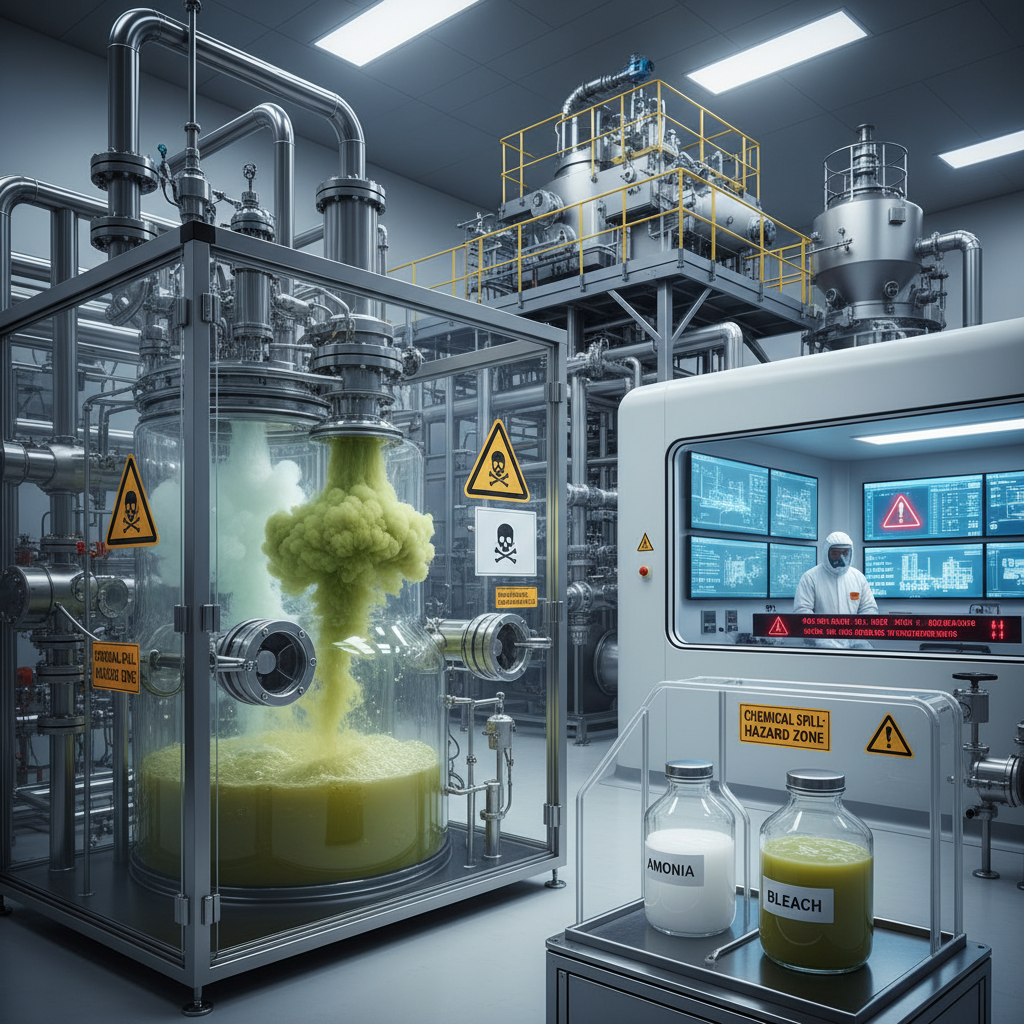
Chemical Mechanism of Ammonia and Bleach Mustard Gas
The reaction that people often refer to as ammonia and bleach mustard gas is actually the synthesis of monochloramine (NH2Cl), dichloramine (NHCl2), and nitrogen trichloride (NCl3). When sodium hypochlorite (the active ingredient in bleach) reacts with ammonia, it initiates a series of substitution reactions where chlorine atoms replace hydrogen atoms in the ammonia molecule, releasing volatile and irritating gases.
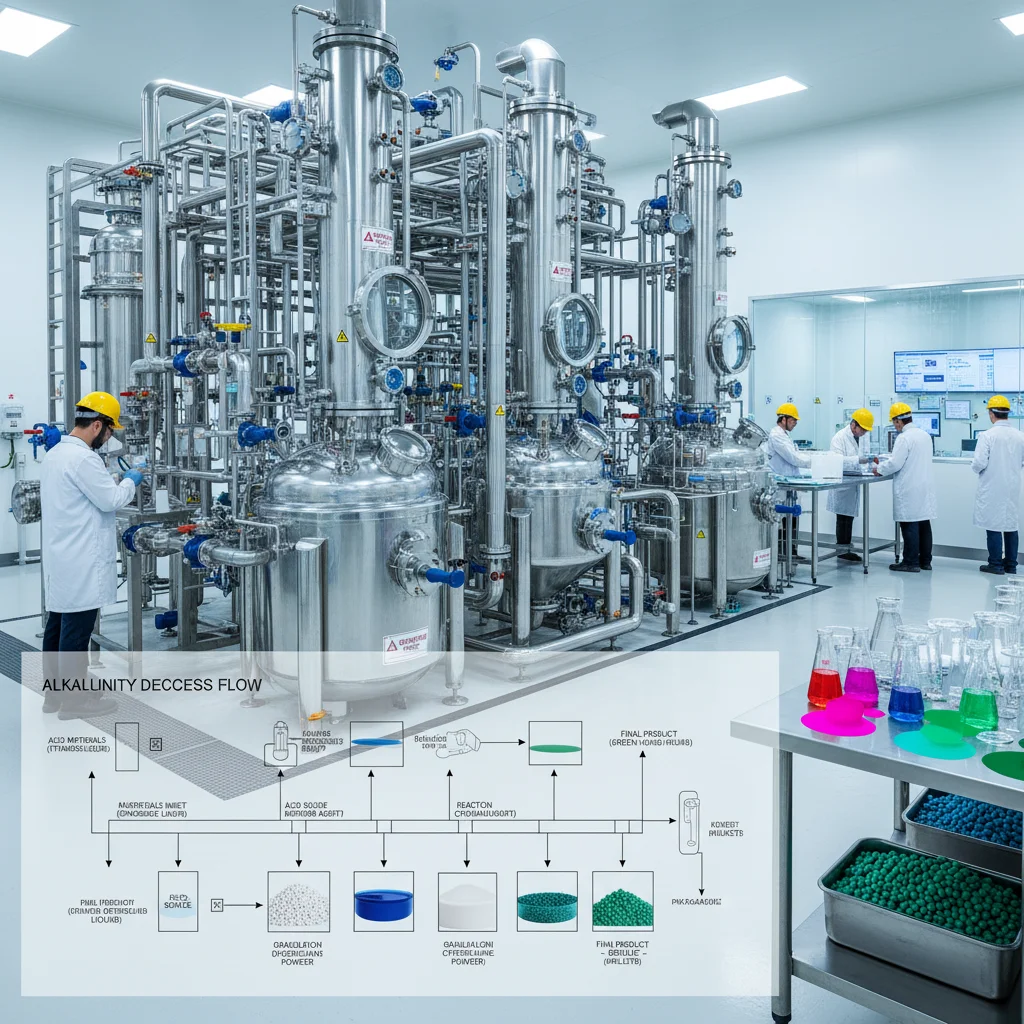
From a manufacturing perspective, understanding this mechanism is vital when designing chemical reactors for pesticides. The volatility of these compounds means that any unplanned interaction can lead to rapid pressure buildup in closed systems, necessitating the use of high-precision relief valves and real-time gas monitoring to prevent catastrophic leaks.
Industrial Safety Standards and Protocols
To prevent the accidental creation of ammonia and bleach mustard gas, industrial facilities must implement a "Physical Separation" policy. This involves storing ammonium-based fertilizers or plant growth regulators in entirely separate containment zones from chlorinated cleaning agents or bleach-based oxidizers, ensuring that a single leak cannot lead to a secondary chemical reaction.
Rigorous Standard Operating Procedures (SOPs) are the second line of defense. Every technician must be trained in the "Order of Addition" and the specific incompatibilities of chemical families. In the pesticide industry, where complex mixtures of fungicides and insecticides are common, a mistake in the sequence of addition can trigger exothermic reactions that release toxic chloramine vapors.
Furthermore, the integration of automated sensors that detect ammonia and chlorine leaks at the parts-per-million (ppm) level allows for the immediate activation of scrubbing systems. These systems neutralize the gas before it can concentrate into the hazardous levels associated with ammonia and bleach mustard gas incidents.
Health Risks and Toxicology of Chloramines
Exposure to the vapors associated with ammonia and bleach mustard gas triggers an immediate inflammatory response in the mucous membranes. The gases react with the moisture in the eyes, nose, and throat to form hydrochloric acid and free radicals, causing acute chemical burns and severe irritation.
In high-concentration industrial leaks, the inhalation of ammonia and bleach mustard gas components can lead to pulmonary edema, where fluid accumulates in the lungs. This condition can be delayed by several hours, making immediate medical evaluation mandatory even if the initial symptoms seem manageable.
Long-term occupational exposure to sub-lethal levels of these irritants can lead to chronic obstructive pulmonary disease (COPD) or permanent hypersensitivity of the respiratory tract. This underscores the necessity for high-efficiency particulate air (HEPA) filtration and chemical-grade respirators in pesticide manufacturing plants.
Comparative Stability of Chemical Precursors
Evaluating the stability of chemicals used in the production of fungicides and herbicides is essential to prevent the accidental synthesis of ammonia and bleach mustard gas. Stability varies based on concentration, temperature, and the presence of catalytic impurities, which can accelerate the reaction between nitrogenous compounds and oxidizers.
The following data illustrates the comparative risk and stability ratings of different precursor handling methods. By opting for stabilized liquid forms over concentrated gases, manufacturers can significantly reduce the risk of sudden vapor release.
Safety Stability Index for Preventing Ammonia and Bleach Mustard Gas
Global Regulatory Frameworks and Compliance
International bodies such as the ISO and the World Health Organization (WHO) provide guidelines on the handling of hazardous substances to prevent incidents like the release of ammonia and bleach mustard gas. Compliance with GHS (Globally Harmonized System of Classification and Labelling of Chemicals) ensures that every container is clearly marked with incompatibility warnings.
In the European Union and North America, REACH and OSHA regulations mandate strict air quality monitoring and the provision of personal protective equipment (PPE) specifically rated for acid and ammonia gases. Failure to adhere to these standards not only risks human life but also exposes companies to massive legal liabilities and environmental fines.
Mitigation Strategies for Accidental Exposure
Immediate action is the most critical factor in mitigating the effects of ammonia and bleach mustard gas exposure. The primary goal is the immediate removal of the victim from the contaminated zone to an area with fresh air, combined with the flushing of affected skin and eyes with copious amounts of water for at least 15 minutes.
For industrial spills, the use of neutralizing agents is recommended. However, these must be applied carefully; adding the wrong neutralizing agent can potentially worsen the reaction. Specialized chemical spill kits, containing absorbent materials and pH-neutralizing powders, should be strategically placed throughout the production floor.
Medical intervention should focus on respiratory support. Oxygen therapy and bronchodilators are often used to manage the acute airway constriction caused by the chloramines in ammonia and bleach mustard gas, preventing the progression toward full-scale pulmonary edema.
Future Innovations in Safe Chemical Handling
The chemical industry is moving toward "Green Chemistry," which seeks to replace hazardous oxidizers with safer alternatives, thereby eliminating the possibility of forming ammonia and bleach mustard gas during the synthesis of plant growth regulators and pesticides. Digital twins and AI-driven simulation are now being used to predict reaction hazards before they occur in a physical plant.
Automation is another key driver of safety. Fully closed-loop robotic systems remove human operators from the risk zone, utilizing precision-engineered valves that prevent the accidental mixing of ammonia and bleach precursors. These systems are integrated with IoT sensors that provide millisecond-response times to any deviation in pressure or chemical composition.
Additionally, the development of advanced bio-catalysts allows for the production of fungicides at lower temperatures and pressures, reducing the kinetic energy available for the dangerous reactions associated with ammonia and bleach mustard gas.
Analysis of Preventative Measures and Risk Reduction for Chemical Reactions
| Control Method |
Risk Reduction Level |
Implementation Cost |
Maintenance Requirement |
| Physical Zoning |
High |
Medium |
Low |
| AI Gas Monitoring |
Very High |
High |
Medium |
| Staff Training |
Medium |
Low |
High |
| Closed-Loop Piping |
Very High |
High |
Medium |
| Dilution Protocols |
Medium |
Low |
Low |
| Emergency Scrubbers |
High |
Medium |
High |
FAQS
No, technically it is not sulfur mustard (the military agent). Instead, it produces chloramine gases. However, it is colloquially referred to as such because it causes similar respiratory distress and blistering of the mucous membranes, making it equally dangerous in a domestic or industrial setting.
Immediately move to an area with fresh air. If you experience shortness of breath or a persistent cough, seek emergency medical attention immediately. Do not wait for symptoms to worsen, as pulmonary edema can have a delayed onset of several hours.
By employing strict physical separation of reagents, using automated dosing systems to prevent human error, and installing high-sensitivity gas detectors that can trigger emergency ventilation and scrubbing systems instantly.
Yes, hydrogen peroxide-based cleaners or specialized enzymatic cleaners are often safer alternatives. They provide high disinfection levels without the risk of forming toxic chloramine gases when they come into contact with nitrogenous residues.
Operators should use full-face respirators with cartridges rated for ammonia and chlorine, chemical-resistant gloves (nitrile or butyl rubber), and acid-resistant aprons to prevent any skin contact or inhalation of vapors.
Water can help dilute the gases and wash them out of the air, but for large industrial spills, specialized neutralizing agents are required to safely decompose the chloramines without triggering further exothermic reactions.
Conclusion
In summary, while the phrase ammonia and bleach mustard gas is a misnomer, the toxic reality of chloramine vapors is a serious concern for the chemical manufacturing industry. Through a combination of physical separation, rigorous SOPs, and advanced monitoring technology, the risk of these dangerous reactions can be virtually eliminated, ensuring a safer environment for workers and the surrounding community.
Looking forward, the transition toward AI-integrated safety systems and green chemistry will further decouple industrial efficiency from chemical risk. By prioritizing education and investing in automated containment, the industry can continue to produce essential fungicides and plant growth regulators without compromising on the highest standards of safety and environmental stewardship. Visit our website for more professional chemical solutions: www.hbjrain.com