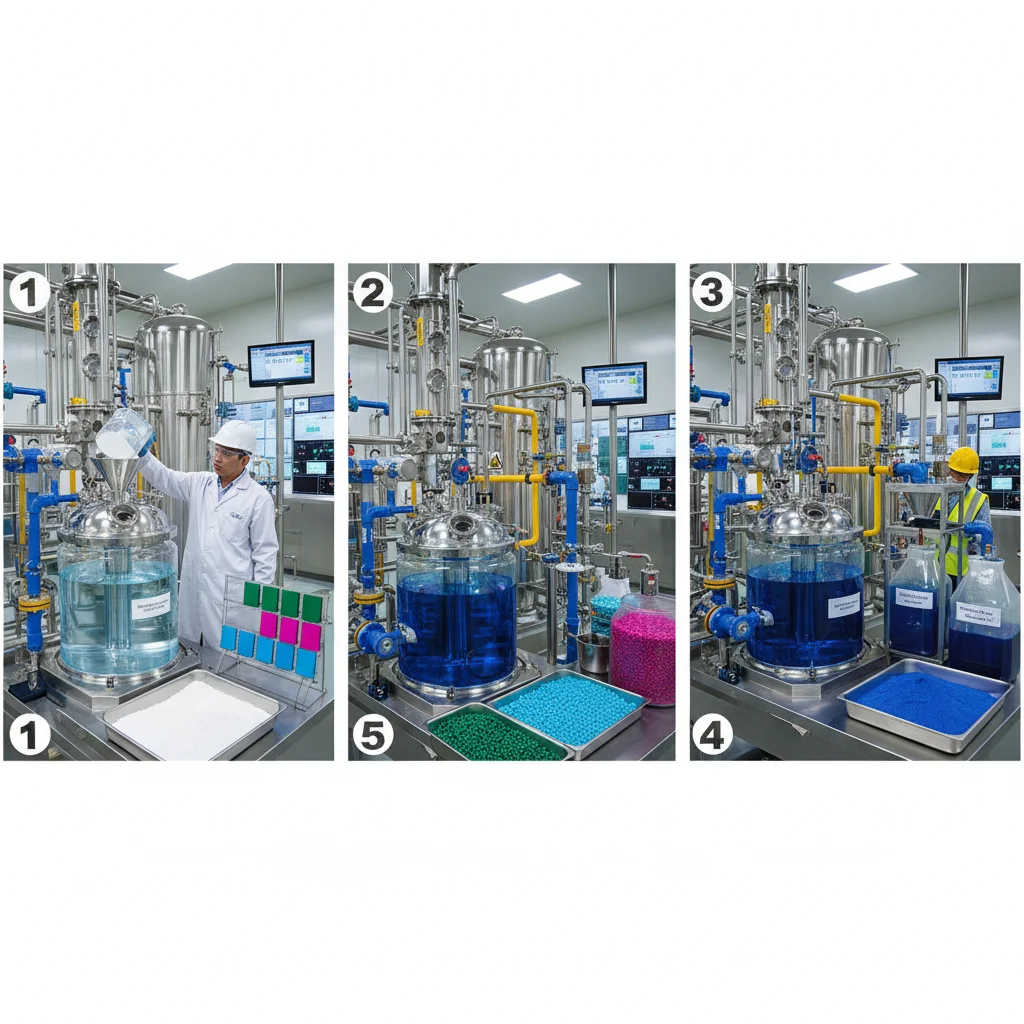
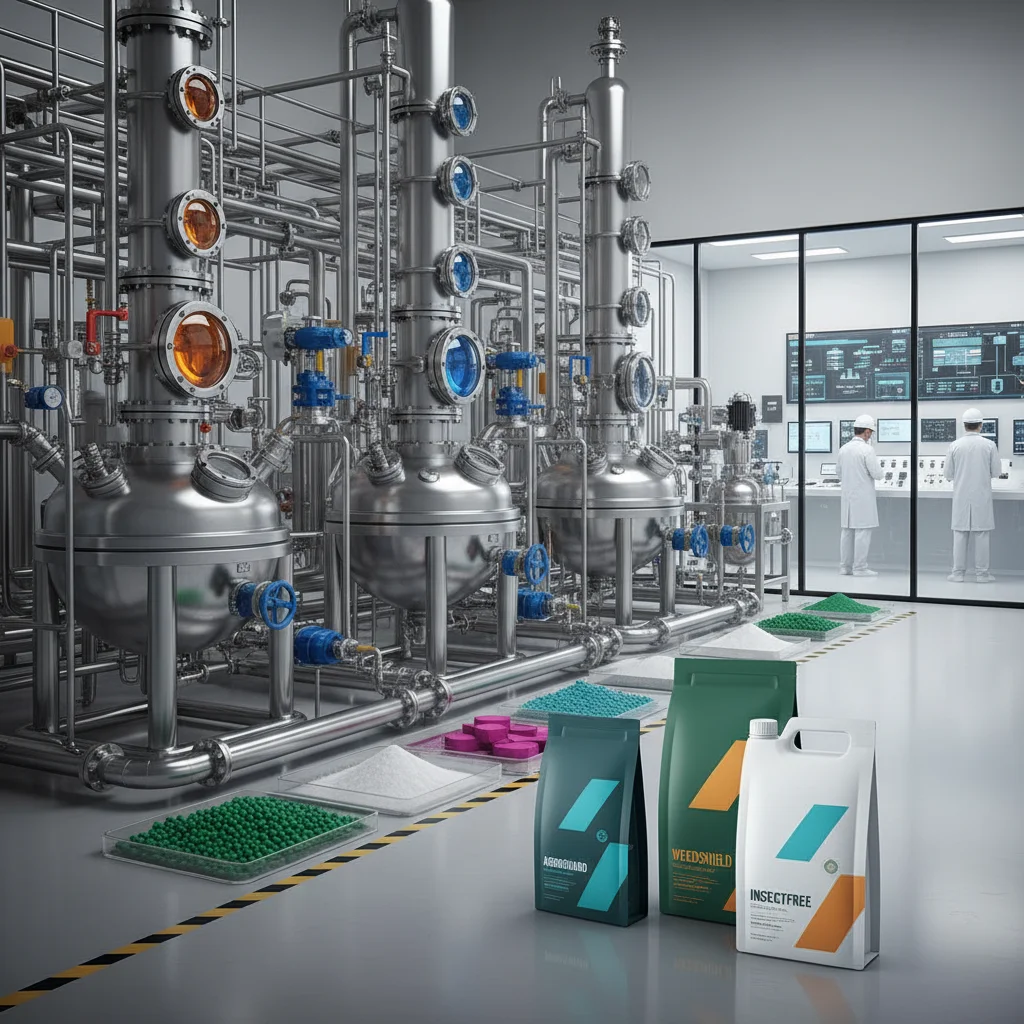
In the sophisticated world of agrochemical formulation, alkyl benzene serves as a cornerstone for creating stable, effective, and scalable crop protection solutions. As global food demand rises, the necessity for high-performance solvents and surfactants derived from these aromatic compounds becomes paramount to ensure that fungicides and herbicides reach their biological targets with precision.
Understanding the chemical versatility of alkyl benzene is essential for manufacturers aiming to balance efficacy with environmental stewardship. From acting as a vital intermediate in the production of linear alkylbenzene sulfonates (LAS) to serving as a specialty solvent, its role spans across the entire lifecycle of modern pesticide development.
By optimizing the use of these compounds, the chemical industry can drive innovation in plant growth regulators and insecticides, reducing waste and enhancing the bioavailability of active ingredients. This guide explores the technical depth, industrial applications, and future trajectory of alkyl benzene within the global chemical manufacturing landscape.
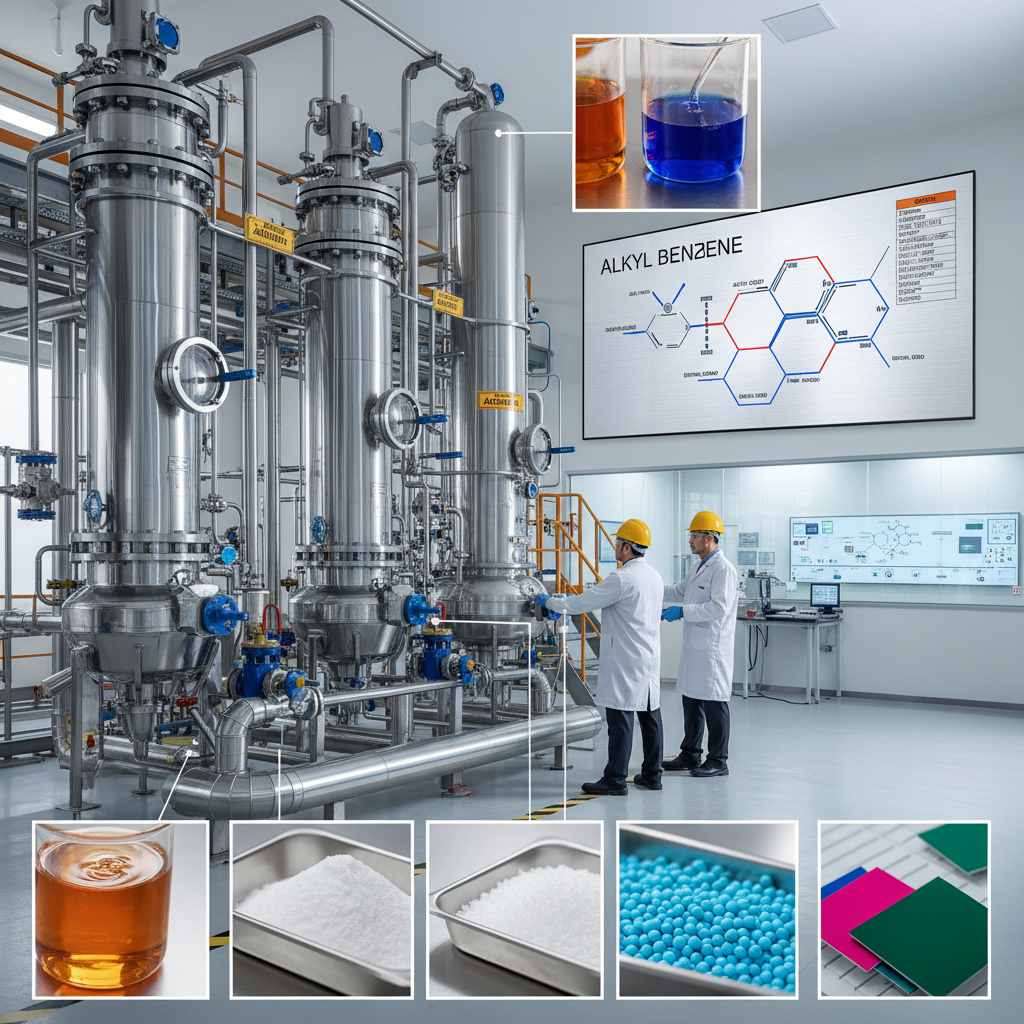
Global Industrial Relevance of Alkyl Benzene
The global chemical market relies heavily on alkyl benzene as a precursor for surfactants and industrial solvents. According to industry data aligned with ISO standards for chemical manufacturing, the demand for linear alkylbenzenes has seen steady growth due to their biodegradability and efficiency in detergent and pesticide emulsification.
The primary challenge addressed by these compounds is the solubility of active pharmaceutical ingredients (APIs) in agrochemicals. Without a stable medium like alkyl benzene, many potent fungicides and herbicides would remain insoluble or degrade rapidly under UV exposure, rendering them useless for large-scale agricultural deployment.
Defining Alkyl Benzene in Agrochemical Contexts
In simple terms, alkyl benzene is an organic compound consisting of a benzene ring attached to one or more alkyl chains. This structure allows the molecule to possess both hydrophobic and hydrophilic potential, making it an ideal bridge for formulating emulsifiable concentrates (EC) in the pesticide industry.
Its connection to modern humanitarian needs is rooted in food security. By enabling the creation of more effective plant growth regulators and fungicides, alkyl benzene helps farmers protect crops from devastating blight and pests, directly impacting the availability of affordable food in developing regions.
Furthermore, the versatility of these compounds allows for the fine-tuning of evaporation rates and leaf-penetration capabilities. This ensures that the active chemical agent remains on the plant surface long enough to be absorbed, maximizing the efficiency of every liter applied.
Core Chemical Components and Stability Factors
The durability of formulations relying on alkyl benzene depends largely on the length and branching of the alkyl chain. Linear chains are generally preferred for their superior biodegradability, ensuring that residue in the soil does not lead to long-term environmental toxicity.
Scalability is another critical factor. The synthesis of alkyl benzene through the alkylation of benzene with olefins allows for mass production, which lowers the cost of end-user fungicides and herbicides, making high-tech crop protection accessible to small-scale farmers.
Cost efficiency is achieved when the solvent properties of alkyl benzene minimize the need for expensive co-solvents. Its high solvency power ensures that high concentrations of active ingredients can be maintained in a stable liquid phase during storage and transport.
Practical Performance Metrics for Solvent Selection
When selecting the right grade of alkyl benzene, chemists look at solvency power, volatility, and flash point. These metrics determine whether a product is safe for transport and how effectively it can deliver the active pesticide to the leaf cuticle.
Comparing different synthesis methods reveals a clear preference for high-purity linear variants which offer better compatibility with organic plant growth regulators. The following data illustrates the performance rating of various alkyl benzene derivatives across key industrial metrics.
Comparative Efficiency of Alkyl Benzene Derivatives
Global Applications in Crop Protection
In real-world agricultural contexts, alkyl benzene is extensively used in the Asia-Pacific and Latin American regions to stabilize broad-spectrum herbicides. These areas, characterized by diverse climates, require solvents that remain stable under extreme heat and humidity to prevent the active ingredients from crystallizing.
Beyond standard farming, these compounds are vital in remote industrial zones where specialized fungicides are applied to protect timber and industrial crops. By ensuring a uniform spray pattern, alkyl benzene helps reduce the total volume of chemicals needed, lowering the environmental footprint of industrial agriculture.
Long-Term Value and Economic Advantages
The tangible benefits of utilizing high-grade alkyl benzene extend beyond simple chemistry to significant cost savings. By improving the shelf-life of agrochemicals, manufacturers reduce losses due to product degradation, ensuring that the farmer receives a potent product regardless of the shipping duration.
From a sustainability angle, the shift toward linear alkyl benzene derivatives demonstrates a commitment to environmental safety. These molecules break down more naturally in soil and water, reducing the risk of bioaccumulation and fostering trust between chemical producers and regulatory bodies.
Ultimately, the reliability of these compounds provides emotional peace of mind to the agricultural sector. Knowing that a fungicide will perform consistently across thousands of hectares allows for more predictable harvest yields and greater economic stability for global food supply chains.
Future Innovations and Sustainable Synthesis
The future of alkyl benzene is being shaped by the push for "Green Chemistry." Researchers are exploring bio-based alkylation processes that utilize renewable feedstocks instead of petroleum-derived benzene, aiming to create a carbon-neutral cycle for pesticide solvents.
Digital transformation is also playing a role, with AI-driven molecular modeling allowing chemists to predict the exact chain length of alkyl benzene needed for specific active ingredients. This precision reduces trial-and-error in the lab and accelerates the time-to-market for new, more efficient insecticides.
As automation in chemical plants increases, the synthesis of these compounds is becoming more energy-efficient. The integration of continuous flow reactors allows for tighter control over the purity of alkyl benzene, eliminating impurities that could otherwise trigger phytotoxicity in sensitive crops.
Comparative Analysis of Alkyl Benzene Synthesis and Application Trends
| Synthesis Method |
Biodegradability Score |
Solvency Efficiency |
Industrial Adoption |
| Petroleum-based Linear |
High |
Excellent |
Dominant |
| Branched Alkylation |
Low |
Good |
Declining |
| Bio-based Precursors |
Very High |
Moderate |
Emerging |
| Catalytic Low-Temp |
High |
Very High |
Growing |
| High-Purity Distilled |
High |
Superior |
Specialized |
| Recycled Solvent Mix |
Moderate |
Moderate |
Niche |
FAQS
Linear alkyl benzene is significantly more biodegradable than branched versions. In agricultural applications, where chemicals are applied directly to soil and water, using linear chains ensures that the solvent breaks down more quickly and completely, reducing the risk of environmental accumulation and meeting stricter global regulatory standards.
It acts as a high-efficiency solvent that ensures the active fungicidal agent is evenly distributed in the formulation. By preventing crystallization and improving the wetting properties of the spray, it ensures a more uniform coating on the plant leaves, allowing for better absorption and more effective combat against fungal pathogens.
Yes, most plant growth regulators are organic molecules that exhibit high solubility in aromatic solvents. Alkyl benzene provides a stable medium that prevents the active ingredients from degrading during storage, while also offering the appropriate volatility to ensure the regulator penetrates the plant cuticle effectively.
As with most aromatic hydrocarbons, proper ventilation and PPE are required to avoid inhalation of vapors and skin contact. However, compared to simpler aromatics like benzene, alkyl benzenes typically have higher flash points and lower acute toxicity, making them safer for industrial-scale formulation when handled according to MSDS guidelines.
While there is a trend toward water-based systems, many active ingredients in herbicides and insecticides are inherently hydrophobic. Alkyl benzene remains essential for these products. However, the industry is moving toward "emulsion-in-water" systems where alkyl benzene is used in a concentrated phase that is then diluted, reducing the total solvent load.
The choice depends on your target application: for high-end pharmaceutical-grade pesticides, a high-purity distilled grade is best. For general-purpose industrial herbicides, a standard linear grade offers the best balance of cost and performance. Always test for solvency power and compatibility with your specific active ingredient.
Conclusion
The strategic integration of alkyl benzene in the manufacturing of agrochemicals is fundamental to ensuring crop resilience and global food security. By optimizing solvency, stability, and biodegradability, these compounds bridge the gap between complex chemical synthesis and practical field application, enabling the efficient delivery of fungicides, herbicides, and plant growth regulators.
Looking forward, the evolution toward bio-based precursors and AI-optimized formulations suggests a future where alkyl benzene continues to be indispensable but in a more sustainable form. For manufacturers and distributors seeking high-performance chemical solutions, investing in high-purity linear variants is the most viable path toward balancing industrial efficacy with environmental responsibility. Visit our website: www.hbjrain.com