Comprehensive Guide to Sulfuric Acid Properties Production and Safe Handling
Sulfuric Acid: A Comprehensive Guide
Sulfuric acid (H₂SO₄) is a highly corrosive strong mineral acid, widely used in various industries and processes. From fertilizer production to chemical synthesis, its applications are extensive. Understanding its properties, safe handling, and diverse uses is crucial for professionals across many sectors. This article will provide an in-depth look at sulfuric acid, covering its characteristics, manufacturing processes, applications, safety considerations, and the importance of choosing a reliable sulfuric acid supplier. We will also highlight the global market trends and future prospects of this essential chemical.
Understanding the Properties of Sulfuric Acid
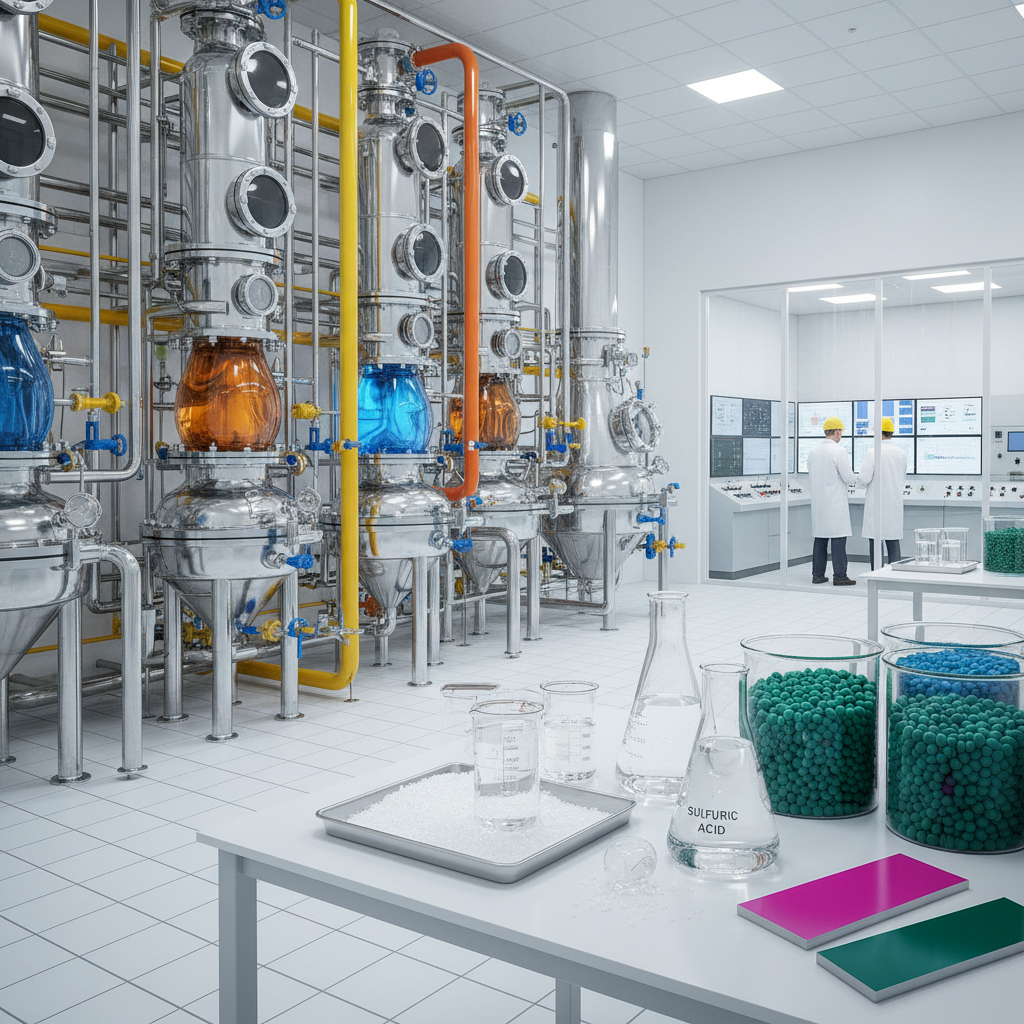
Sulfuric acid is a colorless to slightly yellow, viscous liquid. It's highly corrosive, meaning it can cause severe burns upon contact with skin, eyes, and other materials. A key property is its strong oxidizing ability, especially when concentrated and at elevated temperatures. It's also highly hygroscopic, readily absorbing water from the air. This absorption generates significant heat, which is a crucial safety consideration. Its chemical formula, H₂SO₄, indicates its composition of two hydrogen atoms, one sulfur atom, and four oxygen atoms. Different concentrations of sulfuric acid are available, ranging from dilute solutions to nearly pure acid, each with its specific applications.
Key Properties: Highly corrosive, strong oxidizing agent, hygroscopic, viscous liquid, colorless to slightly yellow.
Production Methods for Sulfuric Acid
The most common method for producing sulfuric acid is the Contact Process. This process involves three main stages: sulfur dioxide production, sulfur trioxide production, and absorption of sulfur trioxide into water. Initially, sulfur is burned to create sulfur dioxide (SO₂). This gas is then oxidized to sulfur trioxide (SO₃) using a vanadium pentoxide catalyst. Finally, SO₃ is absorbed into concentrated sulfuric acid to form oleum (H₂S₂O₇), which is subsequently diluted with water to produce sulfuric acid of the desired concentration. Another method, the Wet Sulfuric Acid (WSA) process, recovers sulfur dioxide from waste gases, making it a more environmentally friendly option.
Production Process Comparison:
• Contact Process: High purity, widely used, requires pure sulfur.
• Wet Sulfuric Acid (WSA) Process: Environmentally friendly, recovers SO₂, suitable for waste gas streams.
Key Applications of Sulfuric Acid
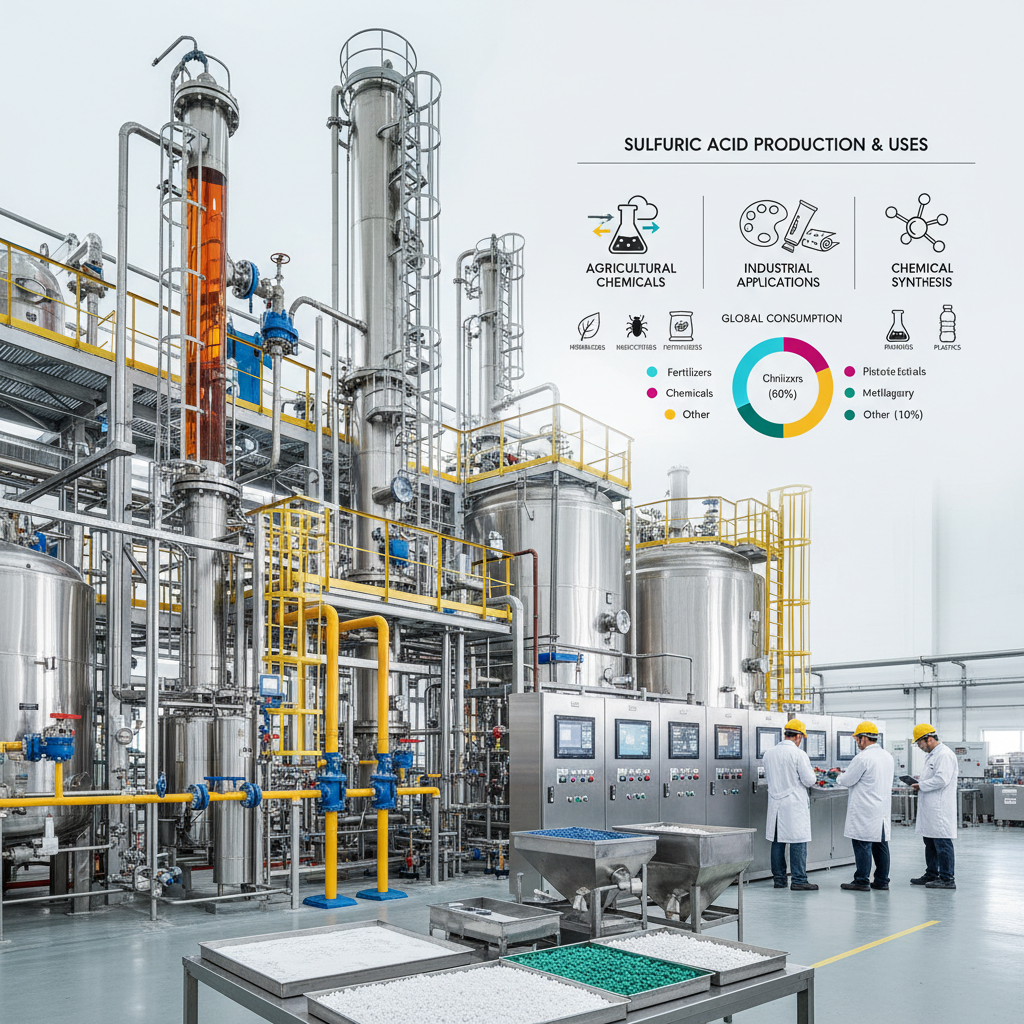
Sulfuric acid has a remarkably broad range of applications. Its largest use is in the production of fertilizers, particularly phosphate fertilizers. It's also critical in the chemical industry for manufacturing detergents, synthetic resins, dyes, and various other chemicals. In the petroleum refining industry, it’s used as a catalyst and for purifying petroleum products. Other important applications include metal processing (pickling), wastewater treatment, and the production of explosives. The demand for sulfuric acid closely correlates with economic growth and industrial activity. Selecting a reliable sulfuric acid supplier ensures consistent quality and timely delivery for these critical applications.
Safety Considerations When Handling Sulfuric Acid
Due to its corrosive nature, handling sulfuric acid requires strict safety precautions. Always wear appropriate personal protective equipment (PPE), including chemical-resistant gloves, safety goggles, and a lab coat or apron. Work in a well-ventilated area to avoid inhaling fumes. Never add water to concentrated sulfuric acid, as this can cause a violent reaction and splashing. Instead, always add acid to water slowly and with constant stirring. In case of contact with skin or eyes, immediately flush with copious amounts of water for at least 15 minutes and seek medical attention. Proper storage in corrosion-resistant containers is also essential.
Choosing a Reliable Sulfuric Acid Supplier
Selecting a reputable sulfuric acid supplier is critical for ensuring consistent product quality, reliable delivery, and adherence to safety standards. Look for a supplier with a strong track record, comprehensive quality control measures, and a commitment to responsible chemical handling. Factors to consider include purity levels, packaging options, delivery capabilities, and technical support. A dependable supplier will also provide necessary safety data sheets (SDS) and ensure compliance with all relevant regulations. HBJ Rain is dedicated to providing high-quality sulfuric acid and exceptional customer service.
Conclusion: Sulfuric Acid - A Cornerstone of Modern Industry
Sulfuric acid remains an indispensable chemical compound driving progress across numerous industries. Understanding its properties, applications, and safe handling practices is paramount for professionals. By partnering with a trustworthy supplier like HBJ Rain, businesses can secure a reliable source of high-quality sulfuric acid and ensure operational efficiency.
Frequently Asked Questions (FAQs)
What is the difference between concentrated and dilute sulfuric acid?
Concentrated sulfuric acid typically refers to a solution containing 93-98% sulfuric acid by weight. It’s highly corrosive and releases significant heat when diluted. Dilute sulfuric acid, on the other hand, contains a lower percentage of sulfuric acid, usually less than 30%. It’s less corrosive but still requires careful handling. The concentration impacts its reactivity and suitability for different applications. For example, concentrated sulfuric acid is used in dehydration reactions, while dilute sulfuric acid is common in laboratory experiments and certain industrial processes.
How should sulfuric acid be stored?
Sulfuric acid should be stored in a cool, dry, and well-ventilated area, away from incompatible materials such as metals, bases, and organic substances. It must be stored in corrosion-resistant containers, typically made of polyethylene or Teflon. Containers should be tightly sealed to prevent moisture absorption and corrosion. Avoid storing sulfuric acid in direct sunlight or near heat sources. Regularly inspect containers for leaks or damage. Ensure a spill containment system is in place to handle any accidental releases.
What are the environmental concerns related to sulfuric acid?
Sulfuric acid can contribute to acid rain if released into the atmosphere as sulfur dioxide (SO₂). Proper scrubbing and emission control technologies are vital to minimize SO₂ emissions from industrial processes. Acid spills can also contaminate soil and water sources, harming aquatic life and vegetation. Responsible handling, storage, and disposal practices are essential to mitigate these environmental impacts. Wastewater containing sulfuric acid must be neutralized before discharge to prevent acidification of waterways.
What grades of sulfuric acid are available?
Sulfuric acid is available in several grades, categorized by their purity and intended use. Common grades include Battery Acid (typically 32-38%), Technical Grade (varying concentrations, used in industrial applications), and Reagent Grade (high purity, suitable for laboratory analysis). The specific grade required depends on the application. Impurities in lower grades can interfere with certain processes or contaminate products, while reagent grade offers the highest level of consistency and reliability.