Comprehensive Guide to Sulfamic Acid Uses Properties and Manufacturing Processes
Sulfamic Acid: A Comprehensive Guide to Uses and Applications
Sulfamic acid (H₃NSO₃), also known as amidosulfonic acid, is a white, crystalline solid with a wide range of industrial and household applications. Its unique properties—high solubility in water, strong acidity, and non-volatility—make it a valuable chemical compound. This article provides an in-depth overview of sulfamic acid, covering its properties, manufacturing process, uses, safety considerations, and sourcing options from a trusted supplier like HBJ Rain Chemical. Understanding its characteristics and applications is crucial for professionals in various industries.
Properties and Characteristics of Sulfamic Acid
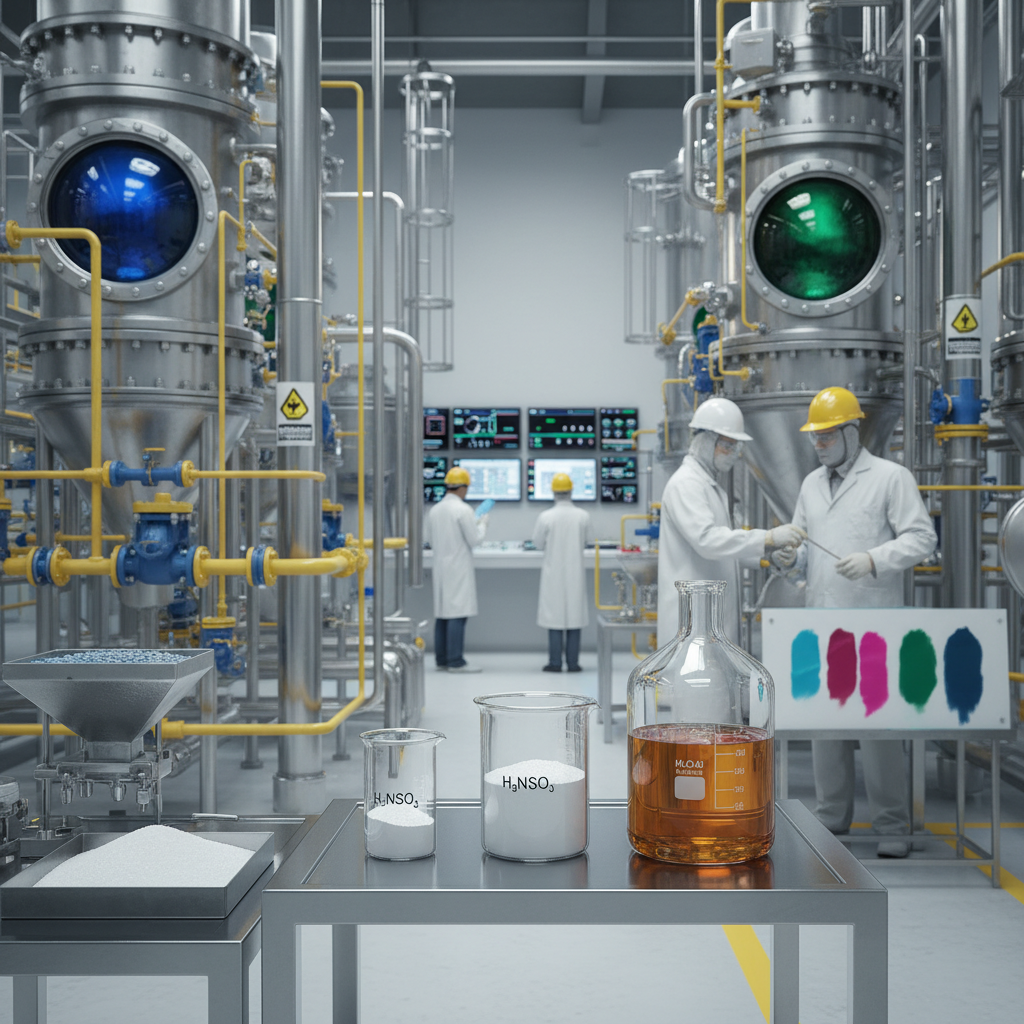
Sulfamic acid is a solid, odorless, and non-hygroscopic (doesn’t readily absorb moisture from the air) compound. It’s a strong mono-basic acid, meaning it donates one proton (H⁺) in solution. It’s far more stable than many other strong acids, making it easier and safer to handle. Its molecular weight is 179.19 g/mol. It’s readily soluble in water, forming acidic solutions. This solubility, combined with its stable crystalline form, makes it convenient for a variety of applications. Furthermore, it's non-oxidizing, meaning it won’t cause unwanted reactions with other chemicals.
Key Highlights: High solubility, strong acidity, non-volatility, non-oxidizing, and stable crystalline form.
Manufacturing Process of Sulfamic Acid
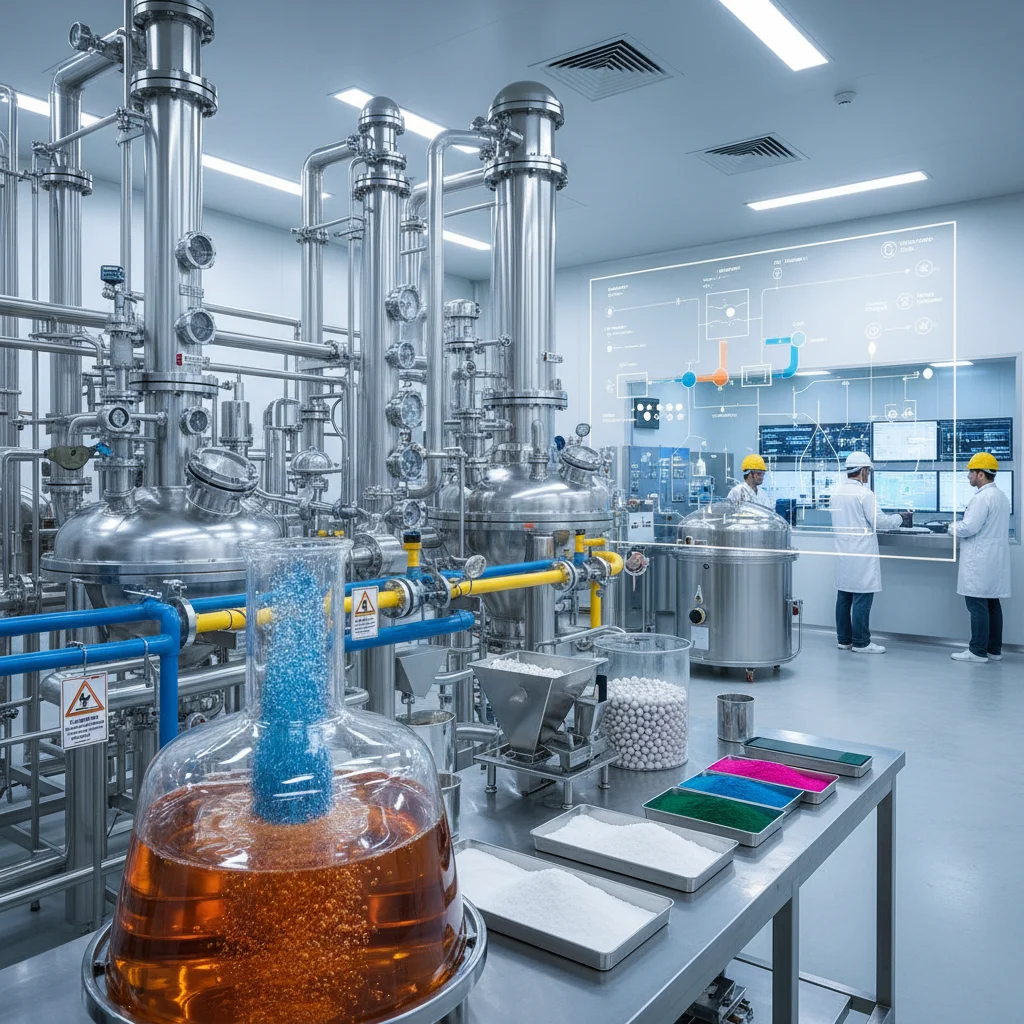
Sulfamic acid is primarily manufactured through the reaction of urea with oleum (fuming sulfuric acid). This process involves the sulfonation of urea, resulting in the formation of sulfamic acid and sulfuric acid. The reaction is exothermic and requires careful temperature control. After the reaction, the sulfamic acid is crystallized from the solution, filtered, and dried. The purity of the final product depends on the quality of the raw materials and the efficiency of the purification process. HBJ Rain Chemical employs advanced manufacturing techniques to ensure high-purity sulfamic acid for its clients.
Manufacturing Benefits:
• Utilizes readily available raw materials (urea and oleum).
• Produces high-purity sulfamic acid with efficient purification.
• Controlled reaction process for safety and consistency.
Sulfamic Acid Applications: A Diverse Range of Uses
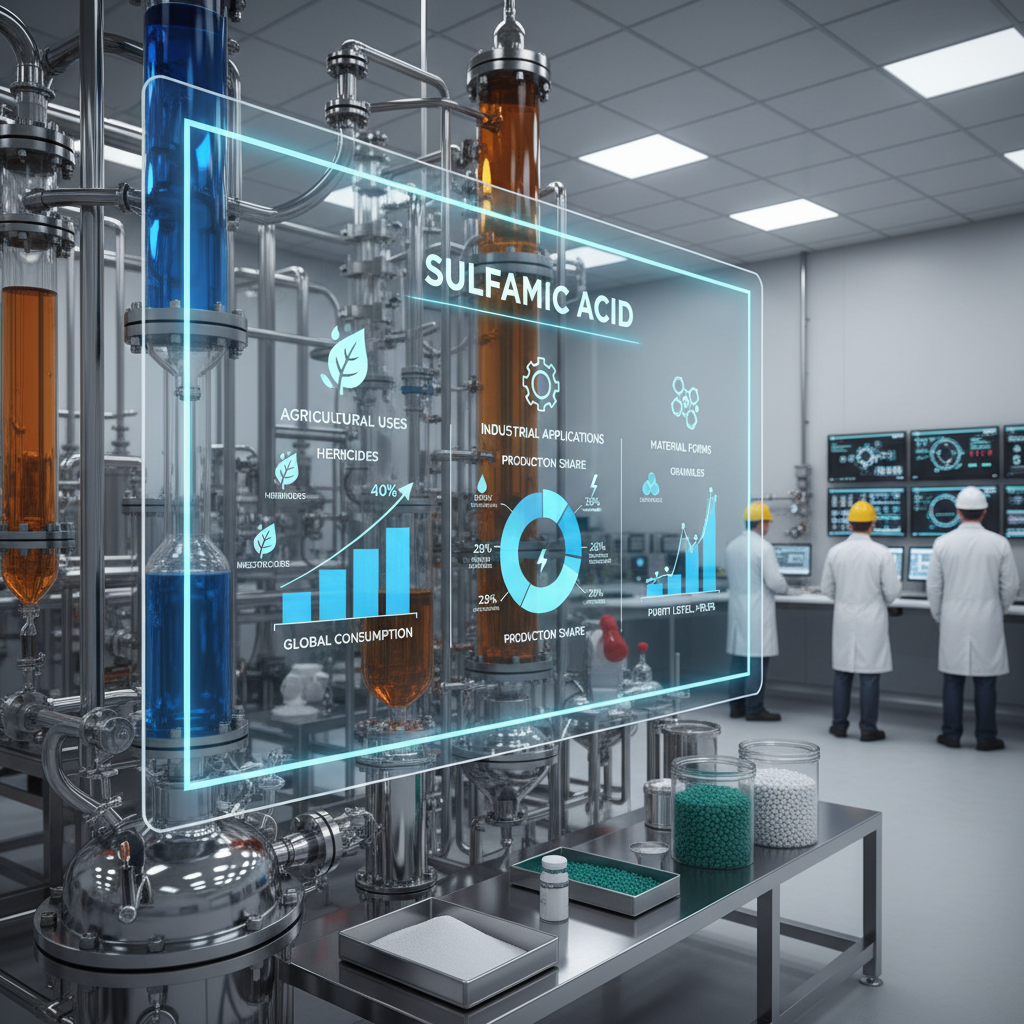
The applications of sulfamic acid are incredibly diverse. It's widely used as a cleaning agent, descaler, and acidifying agent in numerous industries. Some key applications include: cleaning and descaling of boilers, condensers, and heat exchangers; metal cleaning to remove rust and scale; paper and pulp industry for pH control and bleaching; detergent formulations as a builder and pH adjuster; herbicides as an active ingredient; and laboratory reagent for various analytical procedures. The ability to effectively dissolve mineral deposits without harsh corrosion makes it an ideal choice for many industrial cleaning tasks.
Safety Considerations when Handling Sulfamic Acid
While sulfamic acid is relatively safe compared to many other strong acids, it's still important to handle it with care. Direct contact with skin and eyes can cause irritation. Inhalation of dust can irritate the respiratory tract. Always wear appropriate personal protective equipment (PPE), including gloves, safety glasses, and a dust mask, when handling sulfamic acid. Ensure adequate ventilation in the work area. In case of contact, flush the affected area with plenty of water and seek medical attention if irritation persists. Refer to the Safety Data Sheet (SDS) for detailed safety information. HBJ Rain Chemical provides comprehensive SDS documentation with all its products.
Sourcing High-Quality Sulfamic Acid from HBJ Rain Chemical
For reliable sourcing of high-quality sulfamic acid, HBJ Rain Chemical is a trusted partner. We offer various grades and packaging options to meet your specific needs. Our commitment to quality control, efficient logistics, and competitive pricing makes us a preferred supplier for industries worldwide. We provide detailed product specifications, SDS documentation, and responsive customer support. Contact us today to discuss your requirements and request a quote.
Conclusion: Sulfamic Acid – A Versatile and Essential Chemical
Sulfamic acid is a versatile chemical with a wide range of applications, making it an indispensable component in various industrial processes. Its unique properties, ease of handling, and effectiveness in cleaning and descaling make it a preferred choice for many professionals. Choosing a reliable supplier, like HBJ Rain Chemical, ensures you receive consistent quality and exceptional service.
Frequently Asked Questions (FAQs)
What is the typical shelf life of sulfamic acid?
Sulfamic acid has a long shelf life if stored properly. Generally, it remains stable for at least two years when kept in a cool, dry place, protected from moisture and direct sunlight. However, prolonged exposure to humidity can cause caking, which doesn’t affect its chemical properties but may make it harder to dissolve. Always check the packaging for the manufacturer's recommended storage conditions and expiration date. Maintaining proper storage is vital to preserve its efficacy and prevent degradation.
Is sulfamic acid environmentally friendly?
Sulfamic acid is generally considered more environmentally friendly than many other strong acids, such as hydrochloric acid. It’s biodegradable and doesn’t contribute to the formation of harmful chlorinated organic compounds. However, it’s still an acid and should be handled and disposed of responsibly. Follow local regulations for proper disposal. Neutralizing the acidic waste before discharge is recommended to minimize its environmental impact. HBJ Rain Chemical is committed to sustainable practices and provides guidance on responsible chemical handling and disposal.
What is the difference between sulfamic acid and sulfuric acid?
While both are strong acids, sulfamic acid (H₃NSO₃) and sulfuric acid (H₂SO₄) have different chemical structures and properties. Sulfuric acid is a much stronger acid and more corrosive than sulfamic acid. Sulfamic acid is a solid, while sulfuric acid is a liquid. Sulfamic acid is non-oxidizing, making it suitable for applications where oxidation is undesirable. Sulfuric acid is a stronger desulfating agent but requires greater safety precautions during handling. Their differing characteristics lead to distinct applications across various industries.
What industries benefit most from using sulfamic acid?
Numerous industries benefit significantly from utilizing sulfamic acid. Key sectors include: power generation for boiler descaling; manufacturing for metal cleaning and surface treatment; paper & pulp for pH control and bleaching; water treatment for scale removal and pH adjustment; agriculture as a component in herbicides; and cleaning product formulations. Its versatility and effectiveness make it a valuable asset across a wide spectrum of industrial applications.