Succinic Acid Exploring Applications Production and Future Trends
Succinic Acid: A Comprehensive Guide to Applications and Benefits
Succinic acid, a naturally occurring dicarboxylic acid, is gaining prominence across diverse industries due to its versatile applications and sustainable production pathways. From food and beverage to pharmaceuticals and bioplastics, its potential is vast. This article provides an in-depth exploration of succinic acid, covering its properties, production methods, key applications, and future trends. Understanding succinic acid is crucial for businesses seeking innovative and eco-friendly solutions.
Understanding the Properties of Succinic Acid
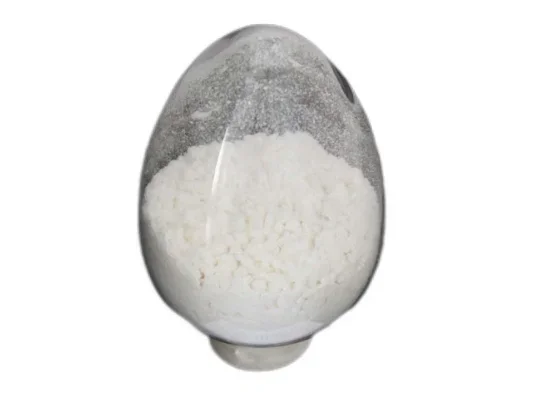
Succinic acid (C₄H₆O₄) is a white, crystalline solid soluble in water, alcohol, and ether. It exhibits a slightly acidic taste and is characterized by its two carboxyl groups (-COOH). This structure contributes to its reactivity and allows it to participate in various chemical reactions. Importantly, succinic acid is biodegradable and considered environmentally friendly, making it an attractive alternative to petroleum-based chemicals. Its relatively low toxicity further enhances its appeal for applications in food and pharmaceuticals.
Key Highlights: Biodegradable, low toxicity, versatile reactivity, and readily soluble in common solvents. These characteristics make it a valuable component in numerous industrial processes.
Production Methods of Succinic Acid
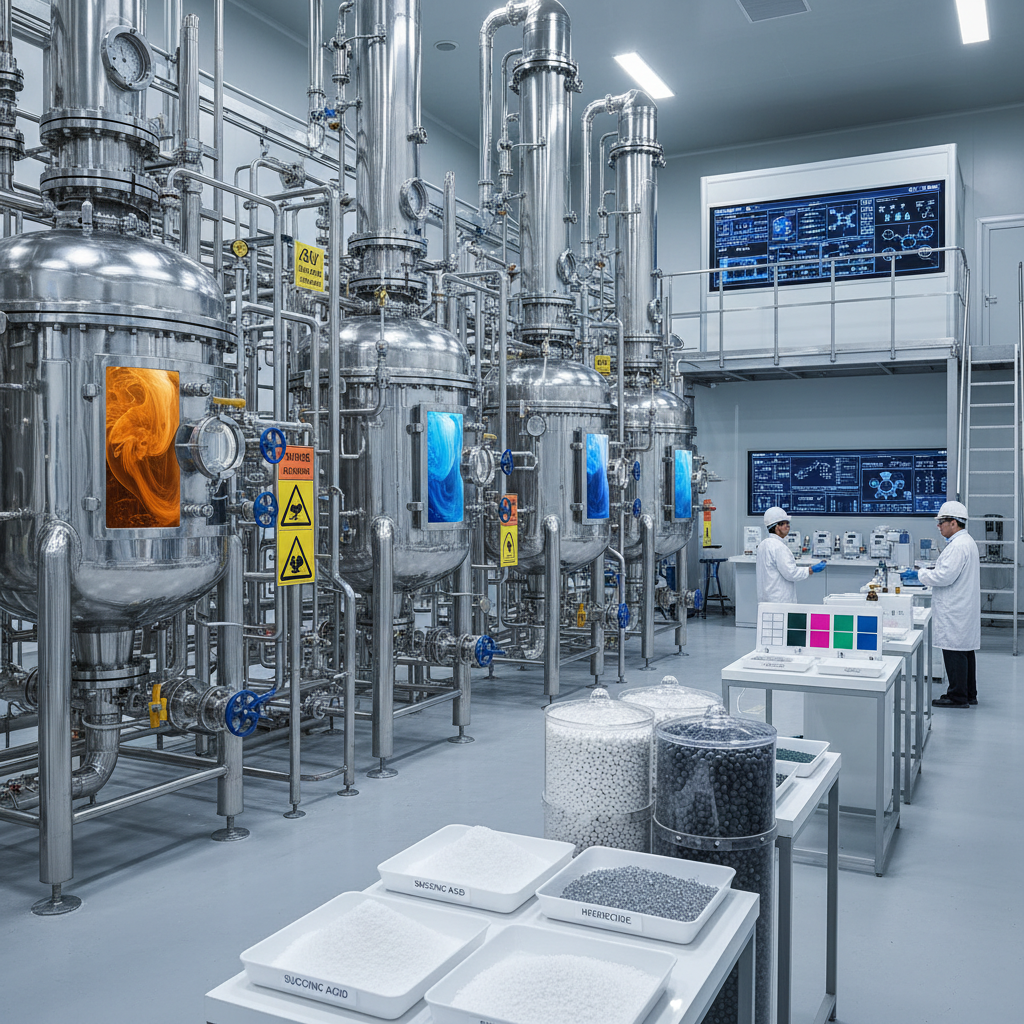
Historically, succinic acid was produced from amber, hence its name (from the Latin "succinum," meaning amber). However, modern production predominantly relies on fermentation processes utilizing renewable feedstocks like corn, glucose, and glycerol. These bio-based methods offer a sustainable alternative to traditional petrochemical routes. Another method involves catalytic hydrogenation of maleic acid or its derivatives. Each production method has its advantages and disadvantages in terms of cost, yield, and environmental impact. HBJ Rain specializes in high-quality succinic acid produced through innovative and sustainable processes.
Production Method Benefits:
• Fermentation: Renewable feedstocks, sustainable.
• Catalytic Hydrogenation: High purity, controlled process.
• Both methods offer potential for lower carbon footprint compared to petrochemical routes.
Key Applications of Succinic Acid
The diverse properties of succinic acid enable its application across a wide spectrum of industries. In the food industry, it acts as a flavoring agent and pH regulator. Pharmaceutical applications include its use in drug synthesis and as a nutritional supplement. A burgeoning application lies in the production of biodegradable plastics, specifically polybutylene succinate (PBS), offering a sustainable alternative to traditional plastics. Furthermore, succinic acid serves as a building block for resins, solvents, and other chemical intermediates.
Succinic Acid Grades & Specifications
We offer various grades of succinic acid tailored to specific applications. These grades differ in purity, particle size, and other specifications to meet diverse client requirements. Understanding these specifications is essential for optimizing performance in your specific process.
Future Trends and Innovations in Succinic Acid Production
The future of succinic acid is bright, driven by increasing demand for sustainable chemicals and advancements in bio-based production technologies. Ongoing research focuses on optimizing fermentation processes, utilizing novel feedstocks, and developing more efficient catalytic methods. Expect to see continued growth in the use of succinic acid in bioplastics, renewable energy storage, and other emerging applications. HBJ Rain is committed to staying at the forefront of these innovations and providing our clients with cutting-edge succinic acid solutions.
Conclusion: A Sustainable Future with Succinic Acid
Succinic acid represents a powerful tool for building a more sustainable future. Its versatility, combined with its environmentally friendly production methods, makes it an ideal alternative to traditional petroleum-based chemicals. By embracing innovations in succinic acid technology, industries can reduce their carbon footprint and contribute to a circular economy.
Frequently Asked Questions (FAQs)
What are the environmental benefits of using bio-based succinic acid?
Bio-based succinic acid offers significant environmental advantages over its petroleum-derived counterpart. Firstly, it utilizes renewable feedstocks, reducing reliance on fossil fuels. Secondly, the production process typically generates lower greenhouse gas emissions. Finally, succinic acid is biodegradable, minimizing its impact on the environment at the end of its life cycle. This aligns with growing sustainability goals and regulations across various industries.
What is the shelf life of succinic acid?
When stored properly in a cool, dry, and well-ventilated area, succinic acid has a long shelf life. Generally, it can be stored for several years without significant degradation. However, it is crucial to protect it from moisture, direct sunlight, and extreme temperatures. Properly sealed containers are essential to maintain its quality and purity.
What industries are driving the demand for succinic acid?
Several key industries are fueling the growing demand for succinic acid. The bioplastics industry, seeking sustainable alternatives to traditional plastics, is a major driver. The food and beverage sector utilizes it for flavoring and preservation. The pharmaceutical industry employs it in drug synthesis and as a nutritional supplement. Additionally, the chemical industry leverages its versatility in producing various resins and solvents.
Is succinic acid safe for use in food products?
Yes, succinic acid is generally recognized as safe (GRAS) by regulatory bodies like the FDA for use in food products within specified limits. It is naturally present in many fruits and vegetables and plays a role in metabolic processes. It’s commonly used as a flavoring agent, pH regulator, and preservative. However, manufacturers must adhere to strict guidelines and regulations regarding its concentration and purity.