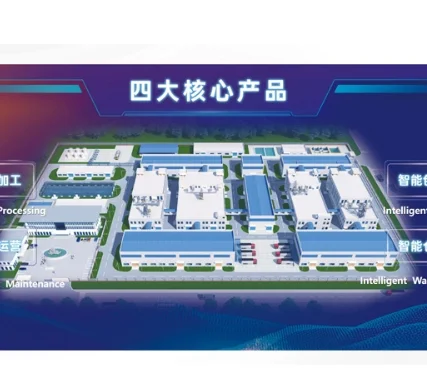
Understanding Styrene Plastic Properties Applications and Sourcing Options
Understanding Styrene Plastic: Properties, Applications, and Sourcing
Styrene plastic, encompassing materials like polystyrene (PS), acrylonitrile butadiene styrene (ABS), and styrene-acrylonitrile (SAN), is a versatile polymer group used extensively across numerous industries. Its affordability, moldability, and diverse properties make it a popular choice for everything from packaging to automotive components. This article will delve into the different types of styrene plastic, their characteristics, common applications, and considerations for sourcing styrene plastic from a reliable supplier. Understanding the nuances of each styrene plastic is key to selecting the right material for your specific needs.
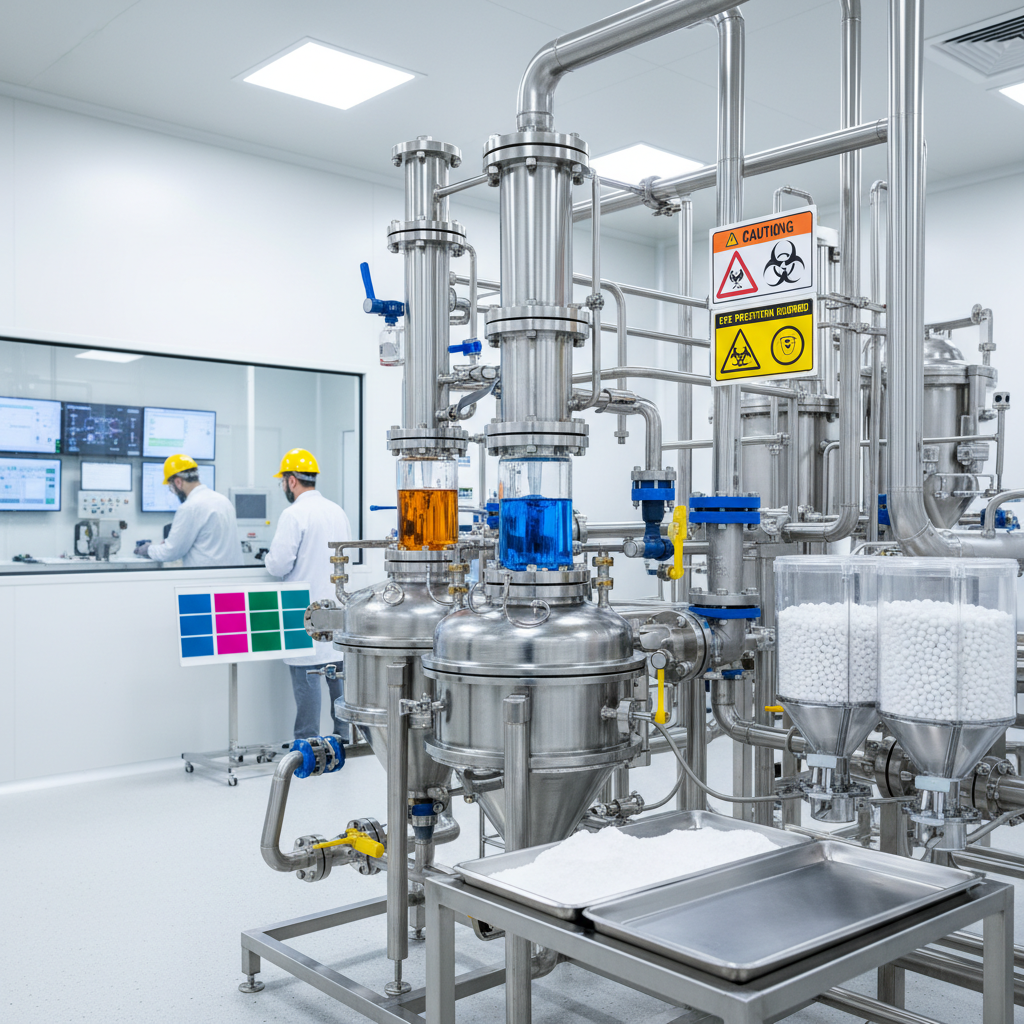
Types of Styrene Plastic: A Detailed Overview
The term “styrene plastic” isn’t a single material, but a family of polymers. Let's break down the most common types. Polystyrene (PS) is a cost-effective, rigid thermoplastic often used in disposable cutlery, food containers, and protective packaging (foam). Acrylonitrile Butadiene Styrene (ABS) is a more durable engineering plastic known for its impact resistance and is frequently used in automotive parts, electronics housings, and toys. Finally, Styrene-Acrylonitrile (SAN) offers clarity and chemical resistance, making it suitable for cosmetic packaging and appliances. Each type boasts unique properties, influencing its application.
Key Takeaway: Selecting the appropriate styrene plastic depends heavily on the desired mechanical properties, chemical resistance, and temperature requirements of your application.
Applications of Styrene Plastic Across Industries
The versatility of styrene plastics leads to widespread use. Packaging: PS foam (Styrofoam) is a dominant force in protective packaging, while SAN’s clarity makes it ideal for food and cosmetic containers. Automotive: ABS provides impact resistance for interior trims, dashboards, and exterior components. Electronics: ABS is used extensively for computer housings, appliance casings, and electronic accessories. Consumer Goods: Toys, luggage, and various household items commonly utilize ABS and PS. HBJRAIN provides high-quality styrene plastics for a range of these applications.
Key Application Areas:
• Packaging (Food, Electronics, Protective)
• Automotive (Interior/Exterior Components)
• Electronics (Housings, Accessories)
• Consumer Goods (Toys, Appliances)
Styrene Plastic Comparison: Properties and Performance
Understanding the comparative strengths and weaknesses of each styrene plastic is vital for informed material selection. ABS generally outperforms PS and SAN in impact resistance and toughness, while SAN offers superior clarity and chemical resistance compared to ABS. PS is the most cost-effective option, ideal for applications where high performance isn't critical. Here's a table summarizing these differences:
Sourcing Styrene Plastic: Key Considerations
Choosing the right supplier is crucial for consistent quality and reliable delivery. Look for suppliers that offer a wide range of grades and can provide technical support. Consider factors like lead times, minimum order quantities, and certifications (e.g., ISO 9001). Prioritize suppliers committed to sustainability and responsible manufacturing practices. HBJRAIN is a trusted supplier providing high-quality styrene plastics and excellent customer service.
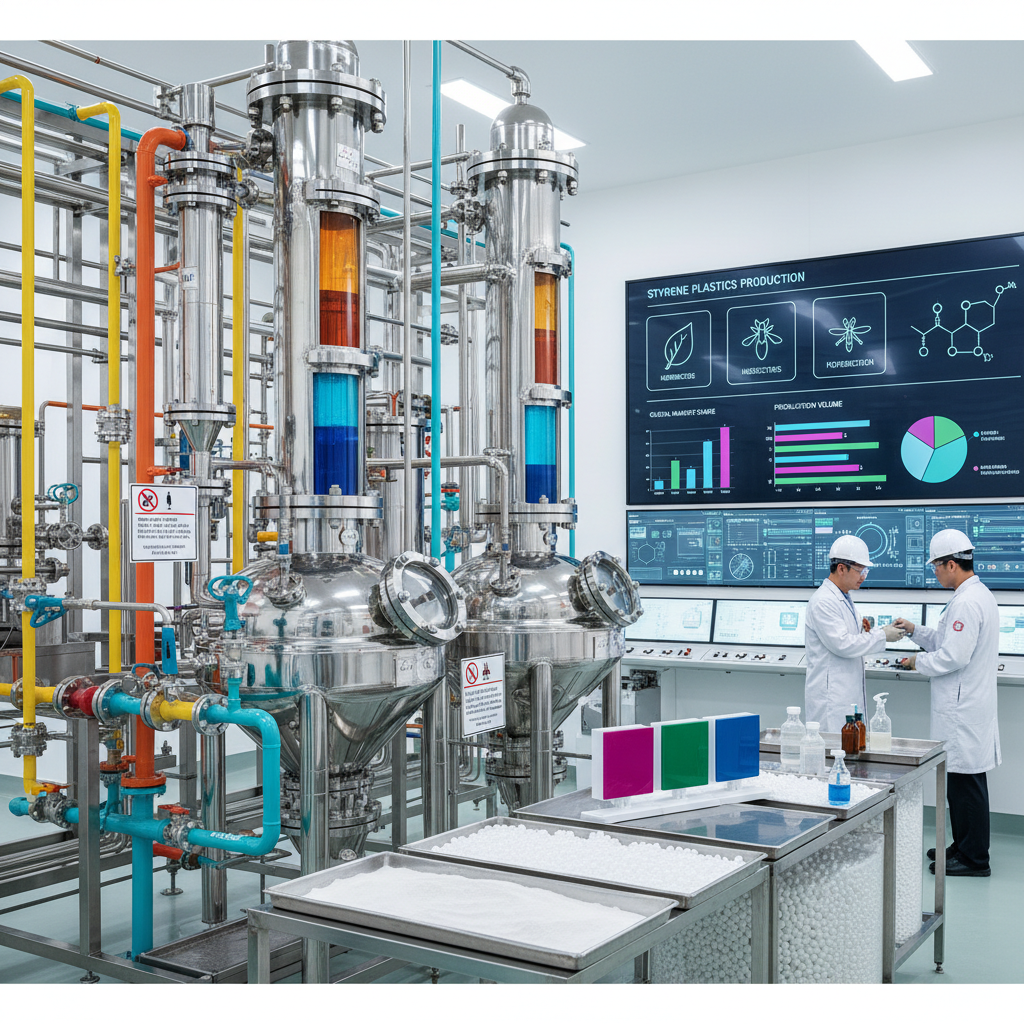
Conclusion: Choosing the Right Styrene Plastic for Your Needs
Styrene plastics offer a compelling combination of versatility, affordability, and performance. By understanding the nuances of each type – PS, ABS, and SAN – and carefully considering your application requirements, you can select the optimal material for your project. Partnering with a reputable supplier like HBJRAIN ensures you receive high-quality materials and reliable support.
Frequently Asked Questions (FAQs)
What are the environmental concerns associated with styrene plastic?
Styrene plastics, particularly polystyrene, can be challenging to recycle due to its lightweight nature and potential contamination. This often leads to landfill accumulation. However, advancements in recycling technologies are improving polystyrene recycling rates. Furthermore, bio-based styrene alternatives are emerging, offering a more sustainable option. Responsible disposal and supporting recycling initiatives are crucial for minimizing the environmental impact of styrene plastics.
Can styrene plastic be used in food contact applications?
Yes, certain grades of styrene plastic, particularly those designated as “food grade,” are approved for use in food contact applications. These grades meet stringent safety standards set by regulatory bodies like the FDA. However, it's essential to verify that the specific plastic being used is certified for the intended food contact application and temperature range.
What is the typical lead time for ordering styrene plastic from HBJRAIN?
Lead times for orders from HBJRAIN vary depending on the quantity, specific grade, and current production schedule. However, we strive to provide competitive lead times, typically ranging from 7-14 business days for standard orders. We offer expedited shipping options for urgent requirements. Contact our sales team at HBJRAIN for a precise quote and estimated delivery time.
How does temperature affect the performance of styrene plastic?
Styrene plastics have varying temperature tolerances. Polystyrene, for example, can become brittle at low temperatures and soften at high temperatures. ABS exhibits better temperature resistance but can still deform under extreme heat. SAN generally has good thermal stability. Selecting a grade appropriate for the intended operating temperature is crucial to maintain structural integrity and prevent material failure.