Comprehensive Guide to Styrene Butadiene Rubber Properties and Applications
Styrene Butadiene Rubber (SBR): A Comprehensive Guide
Styrene Butadiene Rubber (SBR) is a synthetic rubber copolymer derived from styrene and butadiene. It’s a versatile material widely used across numerous industries due to its excellent abrasion resistance, good flexibility, and cost-effectiveness. This article provides an in-depth look at SBR, exploring its properties, applications, manufacturing processes, and market trends. Whether you're involved in tire production, construction, or automotive industries, understanding SBR is crucial. For high-quality SBR solutions, visit HBJ Rain.
Understanding the Properties of Styrene Butadiene Rubber
SBR boasts a compelling range of properties that make it suitable for diverse applications. It exhibits excellent abrasion resistance, meaning it can withstand wear and tear effectively. Its good flexibility allows it to bend and conform without breaking. The relatively low cost of SBR, compared to other synthetic rubbers, contributes to its widespread adoption. However, it's important to note that SBR generally has lower resilience and heat resistance compared to natural rubber. Different grades of SBR offer varying characteristics, allowing manufacturers to tailor the material to specific needs. HBJ Rain provides a variety of SBR grades to meet diverse industrial demands.
Key Highlights: Excellent abrasion resistance, good flexibility, cost-effective, varying grades available for tailored applications.
Manufacturing Processes of Styrene Butadiene Rubber
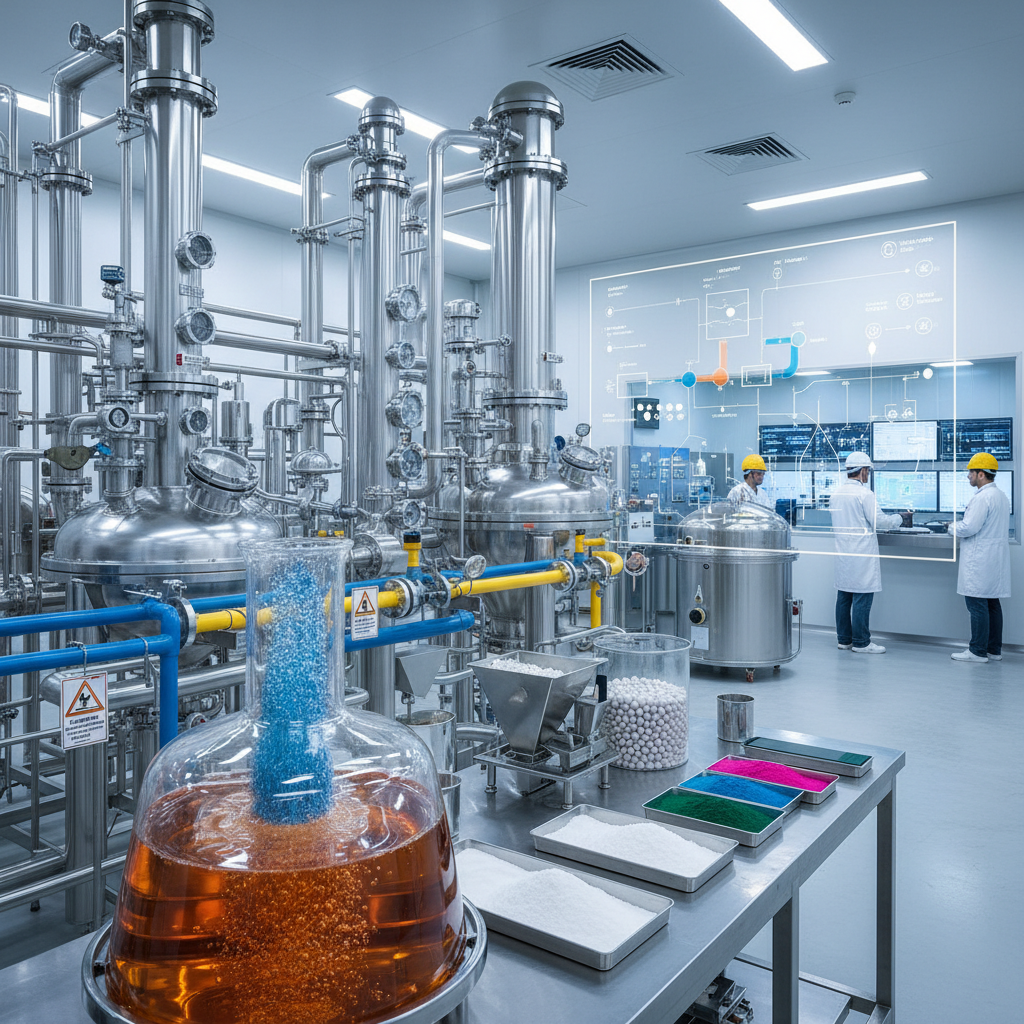
SBR is primarily produced through emulsion polymerization and solution polymerization. Emulsion polymerization is the more common method, involving the polymerization of styrene and butadiene in an emulsion of water. Solution polymerization, on the other hand, uses organic solvents. The choice of process impacts the properties of the resulting SBR. Emulsion SBR generally exhibits faster cure rates, while solution SBR offers better control over molecular weight and structure. HBJ Rain utilizes advanced manufacturing techniques to ensure consistent quality and performance.
Manufacturing Process Benefits:
• Emulsion Polymerization: Faster cure rates, cost-effective.
• Solution Polymerization: Better control over molecular structure, improved properties.
SBR vs. Natural Rubber: A Comparative Analysis
While both SBR and natural rubber offer excellent elasticity, they differ in several key aspects. Natural rubber excels in resilience, tear strength, and heat resistance. SBR, however, offers superior abrasion resistance and is less susceptible to aging. The cost of SBR is generally lower and supply is more stable than natural rubber, which is subject to fluctuations based on weather and agricultural conditions. Understanding these differences is crucial when selecting the right rubber for a particular application.
Key Applications of Styrene Butadiene Rubber
SBR finds applications in a wide variety of products. The largest consumer is the tire industry, where it's used in tire treads and sidewalls due to its abrasion resistance. It’s also used extensively in shoe soles, conveyor belts, hoses, gaskets, and adhesives. In the automotive industry, SBR is used in various components, while in construction, it's found in sealants and waterproofing materials. HBJ Rain caters to these diverse industries with tailored SBR solutions.
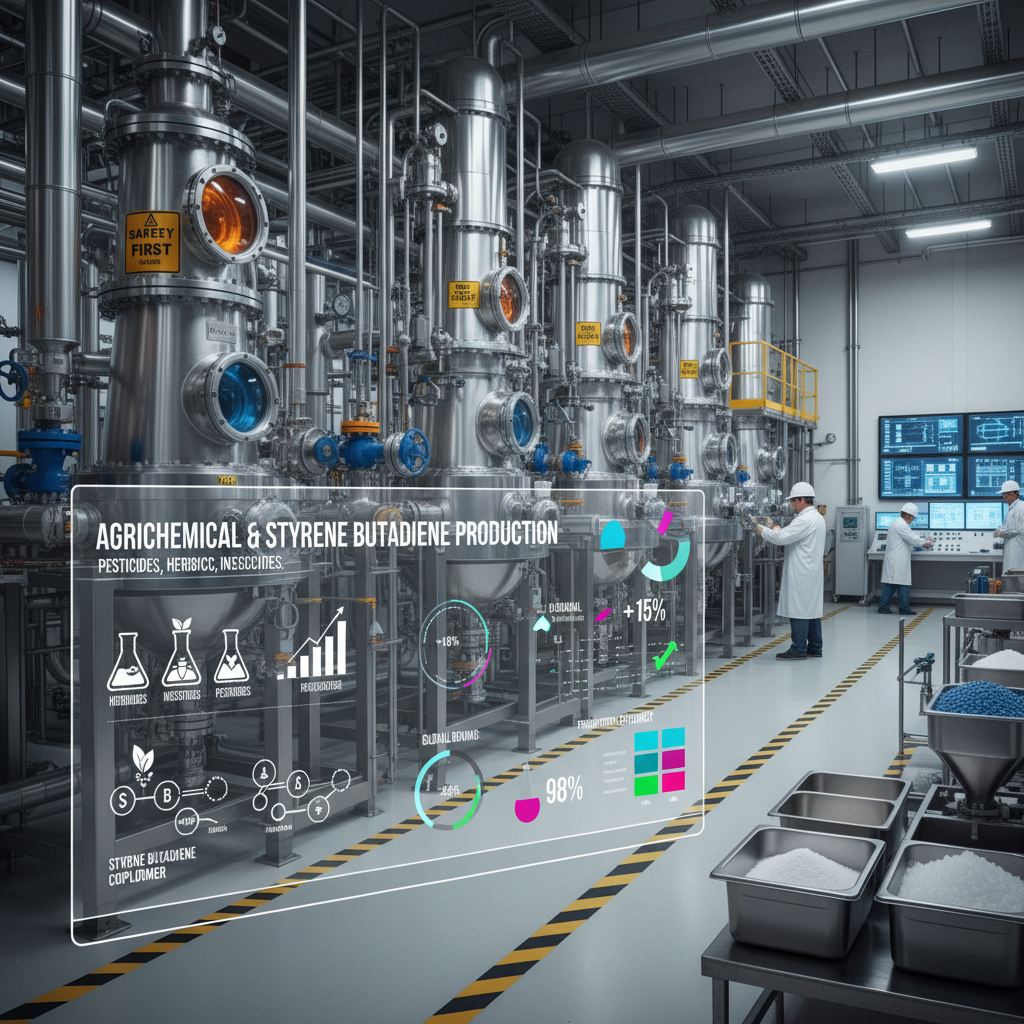
SBR Product Specifications and Grades Available at HBJ Rain
At HBJ Rain, we offer a diverse range of SBR grades to meet specific application requirements. These grades vary in Mooney viscosity, oil extension, and styrene content. We adhere to international quality standards and provide detailed specifications for each product.
Conclusion: SBR – A Versatile and Reliable Rubber Solution
Styrene Butadiene Rubber (SBR) remains a cornerstone material in numerous industries, offering a compelling blend of properties, cost-effectiveness, and versatility. Understanding its characteristics and applications is crucial for making informed decisions. HBJ Rain is your trusted partner for high-quality SBR solutions, offering a diverse range of grades and expert technical support.
Frequently Asked Questions (FAQs)
What are the main advantages of using SBR over other synthetic rubbers?
SBR's primary advantages lie in its excellent abrasion resistance, good flexibility, and cost-effectiveness. Compared to other synthetic rubbers like EPDM or nitrile rubber, SBR offers a more affordable solution for applications where extreme resistance to oil, chemicals, or heat isn't critical. Its widespread availability and ease of processing further contribute to its popularity. This makes it a preferred choice for applications like tire manufacturing, shoe soles, and general rubber goods where a balance of performance and cost is essential.
How does the styrene content affect the properties of SBR?
The styrene content in SBR significantly influences its properties. Higher styrene content generally leads to increased hardness, tensile strength, and resilience, but also reduced flexibility and low-temperature performance. Conversely, lower styrene content results in softer, more flexible rubber with improved low-temperature flexibility but lower strength. Manufacturers adjust the styrene content to tailor the SBR properties to the specific requirements of the application.
Is SBR environmentally friendly?
The environmental impact of SBR is a complex topic. While it's a synthetic material derived from petroleum, ongoing research focuses on developing more sustainable production methods and utilizing bio-based alternatives for styrene and butadiene. Recycling of SBR products, like tires, is also an important aspect of reducing its environmental footprint. HBJ Rain is committed to responsible manufacturing practices and exploring sustainable SBR solutions.