Comprehensive Guide to Stearic Acid Properties Applications and Sourcing
Stearic Acid: A Comprehensive Guide to Properties, Applications & Sourcing
Stearic acid, also known as octadecanoic acid, is a saturated fatty acid naturally found in animal and vegetable fats. It's a versatile compound with a wide range of applications across various industries, including cosmetics, pharmaceuticals, food processing, and industrial manufacturing. At HBJ Rain, we specialize in the supply of high-quality stearic acid to meet the diverse needs of our global clientele. This article delves into the properties, uses, and sourcing of stearic acid, providing a comprehensive overview for professionals and businesses.
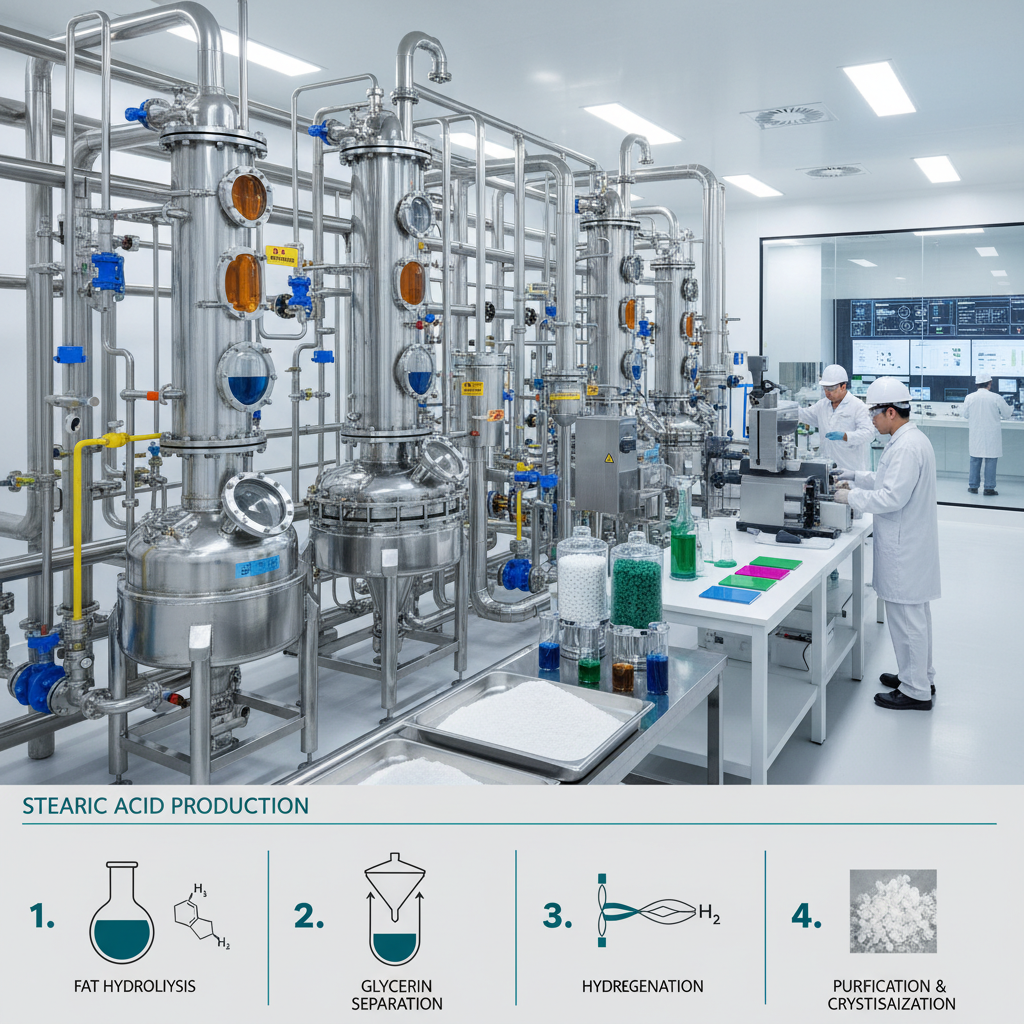
Understanding the Chemical Properties of Stearic Acid
Stearic acid is a white or yellowish solid at room temperature. Its chemical formula is C18H36O2. It’s insoluble in water but soluble in organic solvents. A key characteristic is its relatively high melting point (around 69-70°C / 156-158°F). This makes it useful in applications requiring a solidifying or emulsifying agent. Stearic acid’s stability and non-toxicity further contribute to its widespread use. It's derived through hydrolysis of fats and oils, with palm oil and coconut oil being common sources.
Key Properties: Solid at room temperature, high melting point, insoluble in water, soluble in organic solvents, chemically stable.
Diverse Applications of Stearic Acid Across Industries
The versatility of stearic acid is reflected in its numerous applications. In the cosmetic industry, it's used as an emollient, emulsifier, and thickening agent in creams, lotions, and soaps. The pharmaceutical sector utilizes it as a lubricant in tablet manufacturing and as a component in suppositories. Food manufacturers employ it as a food-grade lubricant and anti-caking agent. Industrially, it finds use in the production of detergents, plastics, rubber, and textiles.
Application Areas:
• Cosmetics & Personal Care
• Pharmaceuticals
• Food Processing
• Industrial Manufacturing
Stearic Acid Grades & Specifications
Stearic acid is available in various grades, each tailored to specific application requirements. These grades differ in purity, color, and physical form. Common grades include triple pressed stearic acid (high purity), double pressed stearic acid, and vegetable stearic acid. At HBJ Rain, we offer a wide range of specifications to meet your unique needs. Here's a table outlining typical specifications:
Sourcing Stearic Acid: Considerations for Quality and Reliability
Choosing a reliable supplier is crucial when sourcing stearic acid. Factors to consider include the supplier’s reputation, quality control processes, and ability to consistently meet your specifications. At HBJ Rain, we are committed to providing our customers with high-quality stearic acid sourced from trusted manufacturers. We maintain stringent quality control measures throughout the supply chain, ensuring product consistency and compliance with industry standards. We also offer competitive pricing and efficient logistics to meet your business needs.
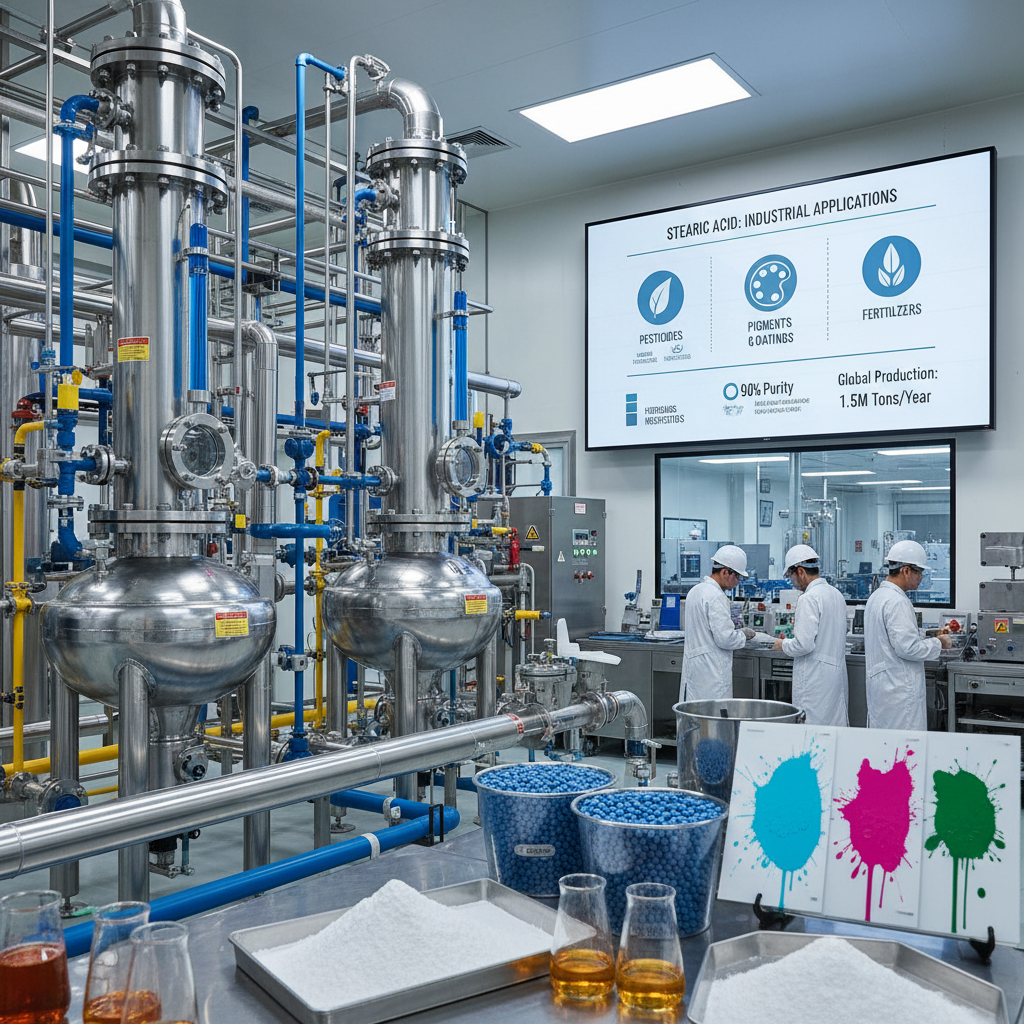
The Future of Stearic Acid: Trends and Innovations
The stearic acid market is witnessing growing demand driven by the expanding cosmetics and personal care industries. There’s a rising trend towards utilizing sustainably sourced stearic acid, particularly from RSPO (Roundtable on Sustainable Palm Oil) certified sources. Innovations in refining processes are leading to higher purity grades and improved product performance. As consumers become more conscious of ingredient safety and environmental impact, the demand for high-quality, sustainable stearic acid will continue to grow.
Conclusion: Partner with HBJ Rain for Your Stearic Acid Needs
HBJ Rain is your trusted partner for sourcing high-quality stearic acid. We provide a comprehensive range of grades, competitive pricing, and exceptional customer service. Contact us today to discuss your specific requirements and experience the HBJ Rain difference.
Frequently Asked Questions (FAQs)
What are the primary sources of stearic acid?
Stearic acid is primarily derived from the hydrolysis of fats and oils. Common sources include palm oil, coconut oil, and tallow (animal fats). The choice of source often depends on factors like cost, availability, and sustainability considerations. Vegetable-based stearic acid is increasingly popular due to its renewable nature and ethical sourcing options. At HBJ Rain, we can provide stearic acid from various sources to meet your specific preferences.
Is stearic acid safe for use in cosmetic products?
Yes, stearic acid is generally considered safe for use in cosmetic products. It's a non-toxic and non-irritating ingredient commonly used as an emollient, emulsifier, and thickening agent. It's been extensively studied and approved for use by regulatory bodies like the FDA and the European Commission. However, as with any ingredient, individuals with specific sensitivities may experience allergic reactions.
What is the difference between saturated and unsaturated fatty acids, and how does this relate to stearic acid?
Saturated fatty acids, like stearic acid, have no double bonds between the carbon atoms in their chain, making them solid at room temperature. Unsaturated fatty acids, on the other hand, contain one or more double bonds, resulting in a liquid state at room temperature. Stearic acid’s saturation contributes to its stability and higher melting point, making it suitable for applications requiring a solid or semi-solid consistency. This distinction impacts their chemical properties and applications.
How is stearic acid stored to maintain its quality?
To maintain the quality of stearic acid, it should be stored in a cool, dry, and well-ventilated area away from direct sunlight, heat sources, and incompatible materials (like strong oxidizing agents). Containers should be tightly closed to prevent moisture absorption and contamination. Following proper storage guidelines helps to preserve its stability and prevent degradation.