0%

Table of Contents

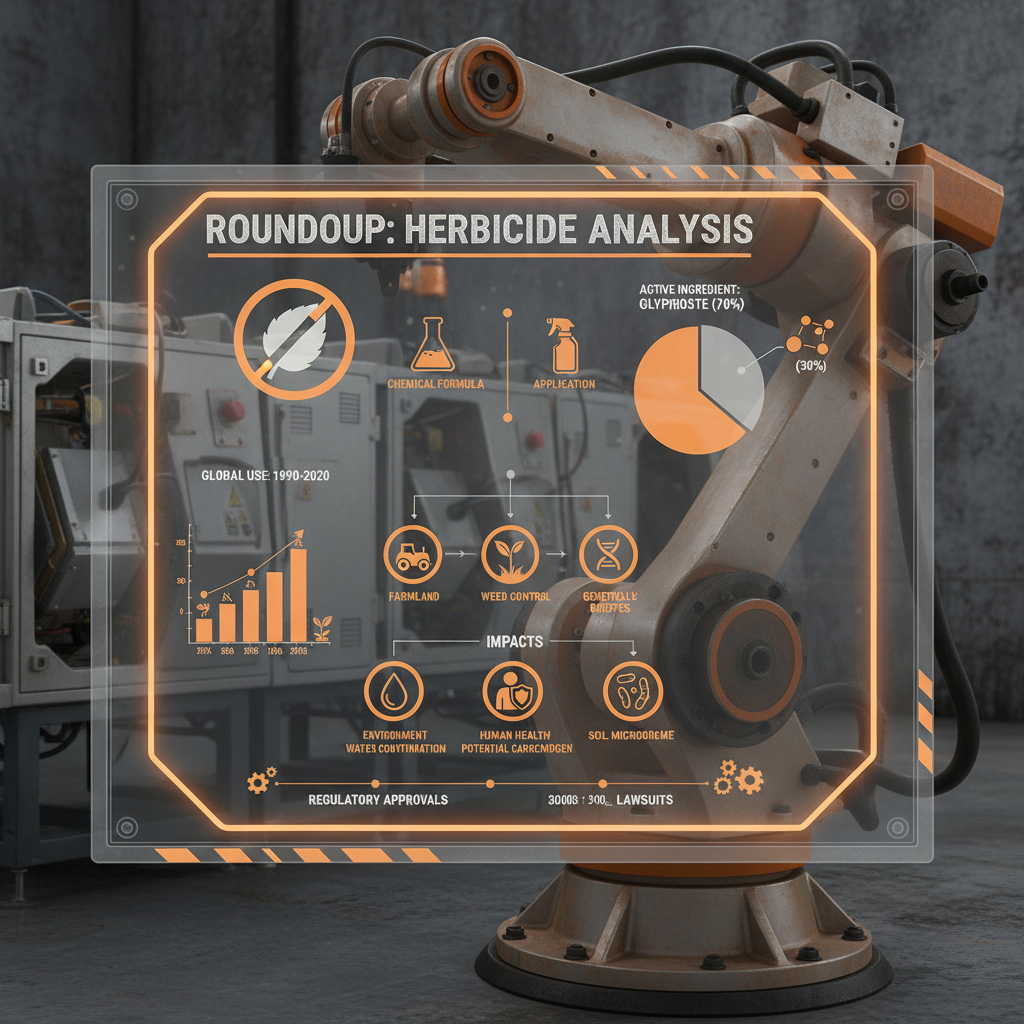
Roundup, a widely recognized name in the agricultural world, is fundamentally an herbicide. Its global relevance stems from its use in controlling weeds in agriculture, landscaping, and even residential areas. With a market share dominating the herbicide industry, Roundup impacts food production, land management, and environmental considerations worldwide. Statistics from the USDA indicate that glyphosate, the active ingredient in Roundup, is used on over 70% of all crops in the United States. This widespread adoption highlights both its effectiveness and the inherent challenges associated with its use, including concerns about resistance and environmental impact. Understanding is roundup an herbicide is crucial for informed decision-making by farmers, policymakers, and consumers alike.

The implications of is roundup an herbicide extend far beyond simple weed control. The sheer scale of its application influences global commodity prices, trade patterns, and agricultural practices. The World Bank recognizes the importance of efficient agricultural inputs, like herbicides, for food security in developing nations. However, debates surrounding its safety and long-term effects spark complex discussions about sustainable agriculture and responsible chemical use. The challenge lies in balancing the benefits of increased crop yields with the potential risks to human health and the environment.

Ultimately, a comprehensive understanding of is roundup an herbicide requires acknowledging its dual role: a powerful tool for enhancing agricultural productivity and a subject of ongoing scrutiny regarding its potential consequences. The ongoing discourse is pushing innovation towards more sustainable alternatives and responsible application methods, underlining the importance of informed discussions and continuous research.
is roundup an herbicide

Defining is roundup an herbicide

is roundup an herbicide

In its simplest form, is roundup an herbicide is a systemic herbicide, meaning it is absorbed by the plant and transported throughout its tissues. Originally developed by Monsanto (now Bayer), Roundup's primary active ingredient is glyphosate. It’s categorized as a non-selective herbicide, meaning it kills most plants it comes into contact with. This broad-spectrum action makes it effective for controlling a wide range of weeds, but also necessitates careful application to avoid harming desirable vegetation.

The development of is roundup an herbicide revolutionized weed control, offering a less labor-intensive and often more effective alternative to manual weeding or other older herbicides. Its widespread adoption has significantly impacted modern agricultural practices, enabling increased crop yields and simplified land management. The success of Roundup is deeply intertwined with the rise of genetically modified (GM) crops engineered to be glyphosate-resistant.

The Chemical Composition of is roundup an herbicide

The core component of is roundup an herbicide is glyphosate (N-(phosphonomethyl)glycine), an organophosphonate. Beyond glyphosate, Roundup formulations typically include surfactants, which enhance the herbicide's ability to penetrate the waxy coating of plant leaves. These surfactants, while crucial for effectiveness, have also been subject to scrutiny, as some formulations have been linked to increased toxicity.

Glyphosate disrupts the shikimate pathway, a metabolic process essential for plants and some microorganisms to synthesize aromatic amino acids. These amino acids are vital building blocks for proteins. Animals, including humans, do not have this pathway, which initially led to the belief that glyphosate was relatively safe for non-plant life. However, research suggests potential indirect effects on animal health through gut microbiome disruption.

The precise composition of is roundup an herbicide products can vary depending on the manufacturer and intended use. Different formulations may contain varying concentrations of glyphosate and different types of surfactants, influencing their effectiveness and potential environmental impact.

The Mechanism of Action: How is roundup an herbicide Works

Is roundup an herbicide’s effectiveness stems from its unique mechanism of action. Glyphosate inhibits the enzyme 5-enolpyruvylshikimate-3-phosphate synthase (EPSPS), which is critical in the shikimate pathway. This pathway is responsible for producing essential aromatic amino acids – phenylalanine, tyrosine, and tryptophan – crucial for plant protein synthesis. By blocking this pathway, is roundup an herbicide essentially starves the plant, preventing it from growing and ultimately leading to its death.

The systemic nature of is roundup an herbicide means that it’s not just effective on the parts of the plant it directly contacts. Once absorbed, glyphosate is translocated throughout the plant via the phloem, reaching the roots and other vital tissues. This ensures comprehensive control, even of perennial weeds with extensive root systems. This systemic action also distinguishes it from contact herbicides, which only affect the treated area.

The plant's inability to produce these essential amino acids disrupts various cellular processes, impacting growth, development, and overall plant health. Symptoms typically include chlorosis (yellowing of leaves), growth inhibition, and eventual plant death. The speed of effect can vary based on plant species, glyphosate concentration, and environmental conditions.

Factors Influencing is roundup an herbicide Effectiveness

Several factors can influence how well is roundup an herbicide works. These include the weed species being targeted, its growth stage, environmental conditions, and the glyphosate concentration used. Younger, actively growing weeds are generally more susceptible to glyphosate than older, more established plants.

Environmental factors like temperature, humidity, and rainfall also play a critical role. Warm, humid conditions generally enhance glyphosate absorption, while rainfall shortly after application can wash the herbicide off the plant, reducing its effectiveness. Furthermore, the presence of hard water can reduce the potency of glyphosate by binding with the active ingredient.

Effectiveness of is roundup an herbicide based on Application Method

Global Applications and Usage of is roundup an herbicide

Is roundup an herbicide is employed extensively in agriculture globally, used on crops like corn, soybeans, cotton, and wheat. Its use is particularly prevalent in countries with large-scale agricultural operations, such as the United States, Brazil, and Argentina. It’s also widely used in landscaping, forestry, and home gardening for general weed control.

In post-disaster relief operations, is roundup an herbicide is sometimes used to clear vegetation obstructing access to affected areas or hindering reconstruction efforts. However, this practice raises concerns about environmental impact and potential health risks. In remote industrial zones, it is utilized for maintaining rights-of-way for power lines and pipelines, minimizing fire hazards and facilitating maintenance access.

The Advantages and Disadvantages of Using is roundup an herbicide

The primary advantage of is roundup an herbicide lies in its efficiency and cost-effectiveness. It simplifies weed control, reducing labor costs and increasing crop yields. The development of glyphosate-resistant crops further enhances this advantage, allowing farmers to control weeds without damaging their crops. Additionally, its relatively low toxicity to animals (compared to some older herbicides) was initially seen as a significant benefit.

However, is roundup an herbicide is not without its drawbacks. The widespread use of glyphosate has led to the evolution of glyphosate-resistant weeds, reducing its effectiveness over time. Concerns about potential human health effects, including links to cancer, have also fueled controversy. Environmentally, glyphosate can affect non-target plants and potentially disrupt soil ecosystems. The long-term consequences of widespread glyphosate use are still being studied.

The debate surrounding is roundup an herbicide is complex, involving economic, environmental, and health considerations. Finding a balance between agricultural productivity and sustainability remains a crucial challenge.

Future Trends and Alternatives to is roundup an herbicide

Looking ahead, several trends are shaping the future of weed control and the role of is roundup an herbicide. Research is focused on developing new herbicides with different modes of action to combat glyphosate resistance. Precision agriculture techniques, such as targeted spraying using drones and sensors, are gaining traction, minimizing herbicide use and reducing environmental impact.

There's growing interest in integrated weed management (IWM) strategies, combining various methods like crop rotation, cover cropping, mechanical weeding, and biological control to reduce reliance on herbicides. Biological control, using natural enemies of weeds, offers a promising sustainable alternative. Advances in genetic engineering are also exploring the development of crops with enhanced weed competitiveness.

The future of is roundup an herbicide will likely involve a more nuanced approach, combining innovative technologies with sustainable practices to ensure efficient weed control while minimizing environmental and health risks.

Summary of Alternative Weed Control Methods

Method Effectiveness Cost Environmental Impact
Mechanical Weeding 7/10 Medium Low
Crop Rotation 6/10 Low Very Low
Cover Cropping 5/10 Low-Medium Very Low
Biological Control 4/10 Medium-High Low-Medium
Precision Herbicide Application 8/10 High Medium
Organic Herbicides 3/10 Medium Low-Medium

FAQS

What is the primary active ingredient in Roundup?

The primary active ingredient in Roundup is glyphosate, an organophosphonate herbicide. Glyphosate works by inhibiting the enzyme EPSPS, essential for plant growth, ultimately leading to the plant's death. While effective, the use of glyphosate has been a topic of debate due to potential environmental and health concerns, prompting ongoing research and development of alternative weed control solutions.

Is Roundup safe for human consumption?

The safety of Roundup for human consumption is a complex and controversial topic. Regulatory agencies like the EPA have historically maintained that glyphosate, when used as directed, poses no unreasonable risk to human health. However, organizations like the IARC have classified glyphosate as "probably carcinogenic to humans," leading to ongoing debate and legal challenges. It is crucial to follow label instructions and minimize exposure.

How does Roundup affect the environment?

Roundup’s impact on the environment is multifaceted. It can affect non-target plants, impacting biodiversity. Glyphosate can persist in the soil and potentially leach into water sources. The widespread use of Roundup has contributed to the development of glyphosate-resistant weeds, requiring stronger and potentially more harmful herbicides. Responsible application and integrated weed management practices are vital to minimize environmental harm.

What are some alternatives to Roundup for weed control?

Alternatives to Roundup include mechanical weeding (hoeing, tilling), crop rotation, cover cropping, biological control (using natural enemies of weeds), and other herbicides with different modes of action. Precision agriculture techniques, like targeted spraying, can also reduce herbicide use. An integrated weed management (IWM) approach, combining multiple methods, is often the most effective and sustainable solution.

How do glyphosate-resistant weeds develop?

Glyphosate-resistant weeds develop through natural selection. Repeated exposure to glyphosate creates selective pressure, favoring weeds with genetic mutations that allow them to survive the herbicide. These resistant weeds reproduce and spread, leading to populations that are no longer effectively controlled by glyphosate. This necessitates the use of alternative weed control strategies.

What regulations govern the use of Roundup?

The use of Roundup is regulated by governmental agencies such as the Environmental Protection Agency (EPA) in the United States. These regulations cover aspects like application rates, safety precautions, and allowable residue levels in food. Regulations can vary by country and are subject to change based on new scientific findings and risk assessments. Always consult local regulations before using Roundup.

Conclusion

In conclusion, is roundup an herbicide remains a powerful, yet complex tool in modern agriculture and land management. Its effectiveness in controlling weeds has significantly contributed to increased crop yields and simplified weed control practices. However, the emergence of glyphosate-resistant weeds, potential environmental impacts, and ongoing health concerns necessitate a careful and nuanced approach to its use. Understanding its mechanism, advantages, and disadvantages is crucial for informed decision-making.

Looking ahead, a shift towards integrated weed management strategies, coupled with the development of innovative and sustainable alternatives, is essential. Investing in research, promoting responsible application practices, and fostering open dialogue about the risks and benefits of is roundup an herbicide will be critical to ensuring both food security and environmental sustainability. For more information and resources, please visit our website: www.hbjrain.com.

Jason Harris

Jason Harris

Jason Harris is a Product Specialist at HEBEI JRAIN TECHNOLOGY CO., LTD., with a focus on plant growth regulators like BloomBoost. He provides technical support and marketing materials to promote the benefits of these products, emphasizing their ability to enhance yield and plant health. Jason has a strong background in agronomy and a passion for helping growers maximize their productivity. He actively monitors price trends and product patents within the agricultural chemical industry, ensuring JRAIN TECH remains competitive. He holds a Bachelor’s degree in Agricultural Science.
Previous Is Herbicide Harmful to Humans A Comprehensive Health Risk Assessment
Next Understanding Herbicides Meaning for Sustainable Agriculture and Ecosystem Management

If you are interested in our products, you can choose to leave your information here, and we will be in touch with you shortly.