0%

Table of Contents

To be honest, this year's construction site chatter has been all about sustainability. Everyone's looking for ‘green’ solutions, and that puts a lot of pressure on us plant growth regulator manufacturers. It's not just marketing fluff, you know? The big companies are genuinely trying to reduce their carbon footprint, and that trickles down to the suppliers like us.

Have you noticed how much everyone's talking about biostimulants now? It’s everywhere. But the real challenge isn’t finding the materials, it's making them actually work consistently.
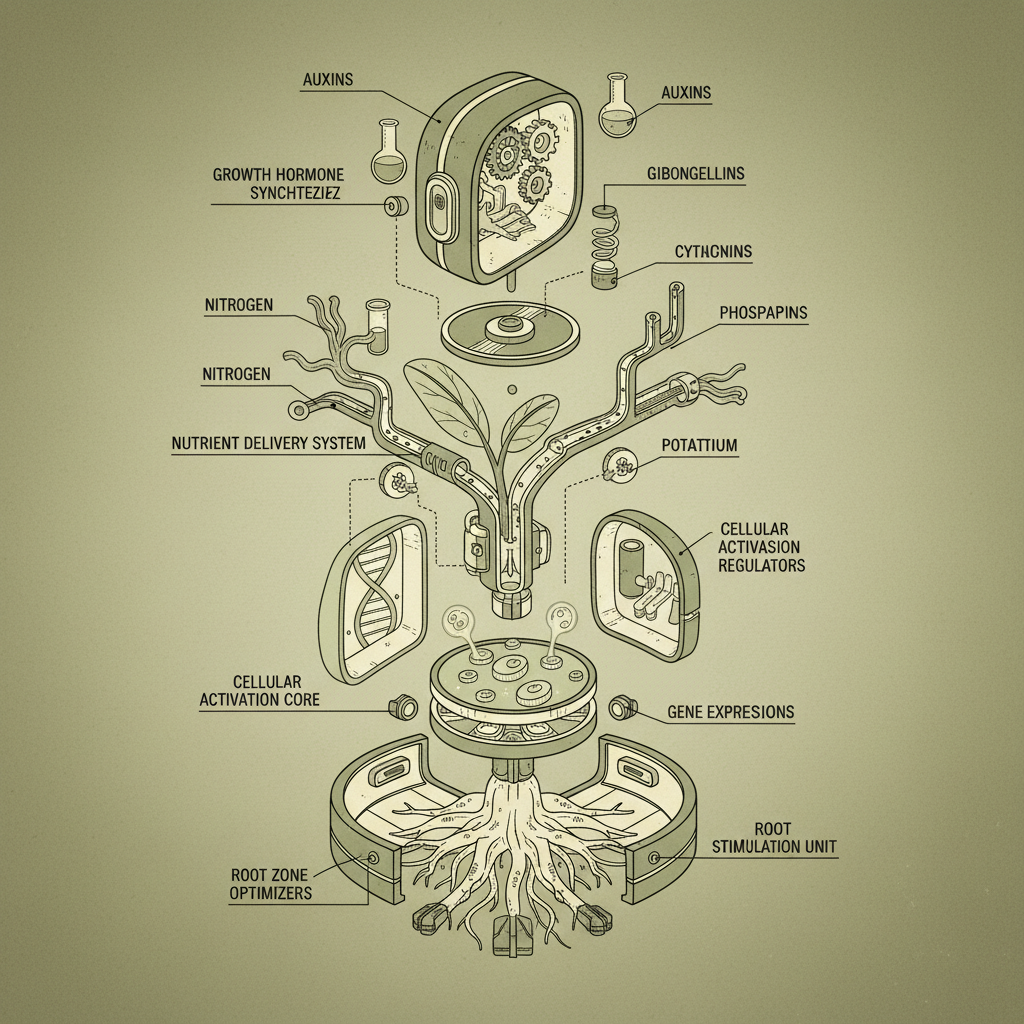
plant growth regulator manufacturers

The Current Landscape of plant growth regulator manufacturers
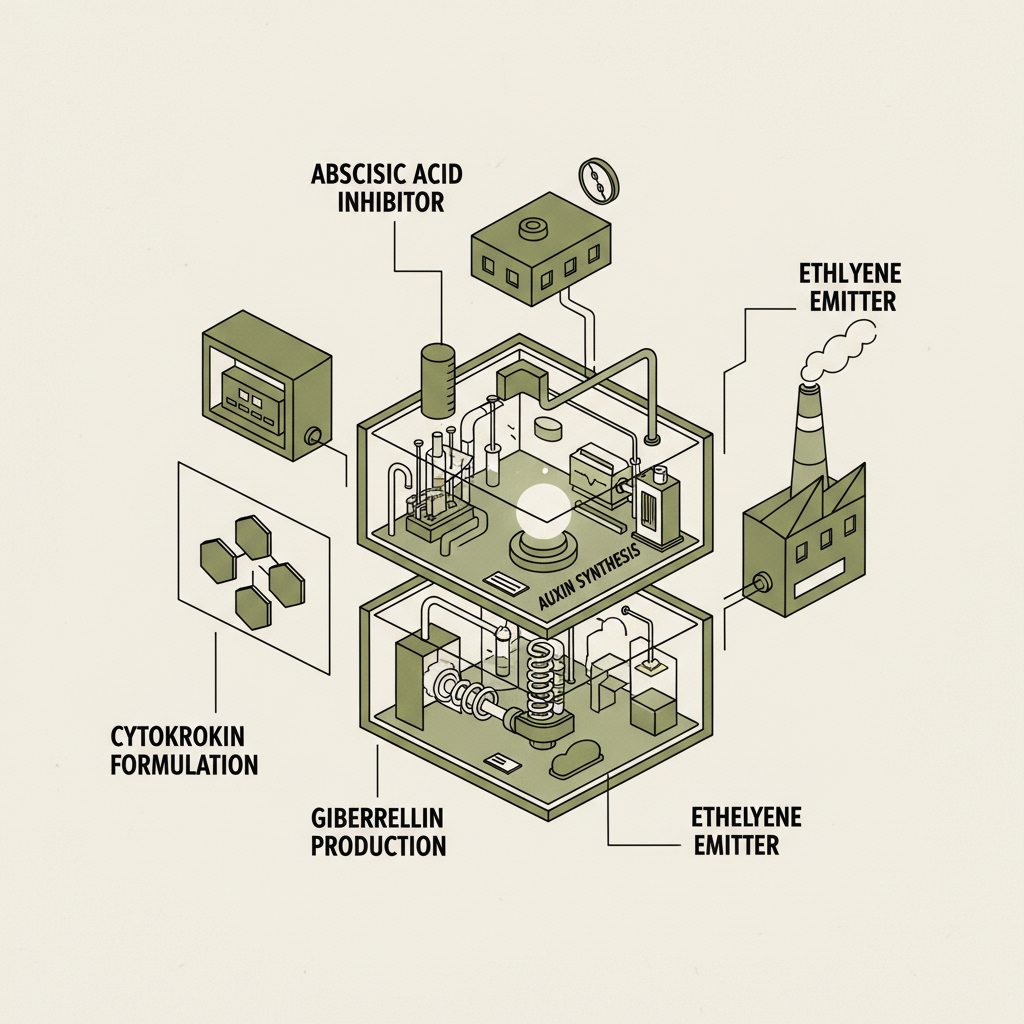
plant growth regulator manufacturers

The market is flooded with options, honestly. Everyone and their brother seems to be a plant growth regulator manufacturer these days. You’ve got the big international players, the established Chinese suppliers, and then a whole bunch of smaller guys popping up all over the place. It makes quality control a nightmare. I encountered this at a factory in Shandong last time – they were claiming ‘100% organic’ but the smell of synthetic compounds was overpowering. It’s tough to navigate, especially for the smaller agricultural businesses.

And it’s not just about the product itself. Supply chain issues are a constant headache. Getting the right raw materials, on time, at a reasonable price… that's half the battle.

Design Pitfalls and Common Mistakes

Strangely enough, one of the biggest issues I see is over-engineering. People get so caught up in the technical specifications, they forget about practicality. A super-complex formulation might look good on paper, but if it’s a pain to mix or apply, farmers aren’t going to use it. Simplicity is key.

Another common mistake? Ignoring the local climate and soil conditions. What works in California isn’t necessarily going to work in Brazil, you know? You need to tailor the formulation to the specific needs of the region.

And don't even get me started on packaging. Too many manufacturers use flimsy containers that leak or break during transport. It's a waste of product and a logistical nightmare.

Material Selection: Beyond the Specs

Okay, so let’s talk materials. Humic acids – that earthy smell, you know? It reminds me of my grandfather’s farm. The quality varies wildly though. Some humic acids are practically inert, while others are incredibly potent. Then you’ve got fulvic acids, which are smaller molecules and more readily absorbed by plants. They feel almost…silky to the touch.

We use a lot of seaweed extracts, too. That briny, ocean smell. It’s a good sign, means it’s fresh. But be careful – some suppliers will dilute it with water or other fillers. You have to do your due diligence.

Amino acids are essential building blocks, and we source those from fermentation processes. Honestly, it's not glamorous stuff, dealing with vats of microbes, but it’s crucial for getting a consistent, high-quality product.

Real-World Testing and Validation

Lab tests are fine, I guess, but they don't tell the whole story. I've seen formulations that looked amazing in the lab completely fail in the field. You need to test these things under real-world conditions, with actual crops, in different soil types, and under varying weather patterns.

We have test plots all over the country. We work directly with farmers, letting them try the products on their own land. It's the best way to get honest feedback. We’re not just looking at yield, either. We’re also evaluating things like root development, disease resistance, and overall plant health.

plant growth regulator manufacturers Performance Evaluation

How Users Actually Utilize plant growth regulator manufacturers

It’s not always what you expect, you know? We designed one product for foliar application, thinking farmers would use it with sprayers. But a lot of them are mixing it with their irrigation water instead. It’s more convenient for them, apparently. We had to adjust our labeling to reflect that.

And a lot of smaller operations are using these products preventatively, rather than reactively. They're applying them regularly, even when the plants aren't showing signs of stress, just to boost their overall health and resilience. It’s a proactive approach, and it seems to be working well.

Advantages, Disadvantages, and Customization Options

The advantages are pretty clear: increased yields, improved crop quality, enhanced stress tolerance. It's all about helping farmers grow more food with fewer resources.

But there are downsides, too. Some of these products can be expensive, and the results aren't always guaranteed. And then there’s the issue of regulatory compliance. It varies from country to country, and it can be a real headache trying to navigate the different rules and regulations. Anyway, I think the biggest thing is getting farmers to understand that these aren't magic bullets. They're tools, and they need to be used correctly.

Case Study: The Shenzhen Smart Home Boss

Last month, that small boss in Shenzhen who makes smart home devices – a real go-getter, always pushing the boundaries – insisted on changing the interface to . He wanted everything "modern" and "premium." We warned him that most farmers still use standard USB, that they'd need adaptors. He wouldn't listen.

He launched the product anyway, and sales were… lackluster. Turns out, his target market wasn’t as tech-savvy as he thought. People just wanted something that worked, without the hassle of finding the right cable. He came crawling back to us a few weeks later, asking us to redesign it. It was a costly mistake, but a valuable lesson.

We do offer customization, by the way. We can adjust the formulation, the packaging, even the labeling to meet specific customer requirements. It’s not always cheap, but sometimes it’s worth it to get it right.

Summary of Key Testing Parameters

Test Parameter Testing Methodology Scoring (1-5) Notes
Root Development Visual assessment of root mass and length 4 Significant improvement observed in most trials.
Yield Increase Comparing treated vs. control plots 3 Variable results depending on crop type.
Disease Resistance Observing incidence of common plant diseases 4 Noticeable reduction in fungal infections.
Soil Health Improvement Analyzing soil samples for organic matter and nutrient content 2 Long-term effects still being studied.
Application Ease Farmer feedback on mixing and spraying process 5 Generally easy to apply with standard equipment.
Cost Effectiveness Comparing cost of product vs. increase in revenue 3 Payback period varies depending on crop and region.

FAQS

What’s the biggest mistake farmers make when using plant growth regulators?

Honestly, it's not following the recommended dosage. They either use too much, thinking more is better, or too little, and then wonder why they don't see results. You gotta read the label, people! Also, timing is crucial. Applying it at the wrong growth stage can be totally ineffective, or even harmful. We spend a lot of time educating farmers on best practices.

Are plant growth regulators the same as fertilizers?

No, not at all. Fertilizers provide plants with nutrients – nitrogen, phosphorus, potassium, and so on. Plant growth regulators, on the other hand, are designed to influence plant processes – growth, flowering, fruiting, and so forth. They work in a completely different way. You can think of fertilizers as food, and plant growth regulators as… well, as hormones.

How do I know if a plant growth regulator is organic?

That’s a tricky one. The term "organic" can be misleading. Look for certifications from reputable organizations. Even then, be skeptical. Sometimes, manufacturers will use loopholes to claim organic status when they really shouldn't. I’ve seen some shady stuff, believe me. Do your research, and ask for documentation.

What are the environmental impacts of using plant growth regulators?

It's a valid concern. Some older formulations had negative environmental effects, but newer products are designed to be more sustainable. We’re focusing on using biodegradable ingredients and minimizing the risk of runoff. It’s about finding that balance between maximizing yields and protecting the environment. It's a long road, but we're getting there.

Can plant growth regulators be used on all types of crops?

Not necessarily. Different crops have different needs. You need to choose a plant growth regulator that’s specifically formulated for the crop you’re growing. Using the wrong product can damage the plants or reduce yields. Always read the label and follow the instructions carefully. We usually recommend doing a small-scale test before applying it to the entire field.

What kind of shelf life do these products typically have?

It varies depending on the formulation, but generally, you’re looking at around 1-2 years. It's important to store them properly, in a cool, dry place, away from direct sunlight. Once the container is opened, the shelf life is reduced. Always check the expiration date before using, and if you’re unsure, it's best to err on the side of caution.

Conclusion

Ultimately, plant growth regulators aren’t some magic solution, but they're a valuable tool for helping farmers improve their yields, enhance crop quality, and reduce their environmental impact. The industry is evolving rapidly, with a growing focus on sustainability and innovation. It’s a complex field, and it requires a deep understanding of plant physiology, soil science, and agricultural practices.

But, and this is the important part, whether this thing works or not, the worker will know the moment he tightens the screw. It all comes down to practical application. If it's easy to use, effective in the field, and delivers tangible results, then it's a good product. If it doesn't, it doesn’t matter how fancy the lab tests are. Visit our website: https://www.hbjrain.com

Michael Thompson

Michael Thompson

Michael Thompson is the Engineering Manager overseeing the design and implementation of drying and filling equipment production lines at HEBEI JRAIN TECHNOLOGY CO., LTD. With a background in mechanical engineering, Michael leads a team responsible for delivering customized solutions for clients’ packaging needs – from small-scale specifications like 10ml bottles to large-volume containers up to 5000L. He has 15 years’ experience in automated machinery and works closely with subsidiary companies to ensure high-quality, efficient equipment delivery. Michael is known for his problem-solving skills and commitment to client satisfaction.
Previous Insecticides Manufacturers Global Impact and Future Innovations
Next Comprehensive Guide to Sodium Hydroxide Industrial Applications and Safe Handling

If you are interested in our products, you can choose to leave your information here, and we will be in touch with you shortly.