Honestly, things have been moving fast in the construction materials world lately. Everyone's chasing 'green,' 'smart,' and 'prefabricated.' You see it everywhere – new composite materials promising the moon, sensors embedded in everything, and whole building sections built offsite. It’s good, I guess, keeps us on our toes. But a lot of it is just… marketing. You get to a site and realize half the promises don’t hold up to a real-world beating.
I’ve been doing this for… well, long enough. And you learn what to watch out for. People get too hung up on the specs and forget about how things actually work in the field. Take those quick-connect plumbing fittings, for instance. Look great on paper, save a ton of time. But if the pipe isn’t perfectly clean, or the O-ring gets a bit of grit on it… forget about it. Leak city. Happened to me at that high-rise in Shanghai last year. Nightmare.
And the materials themselves… I’m partial to good old-fashioned steel, you know? It smells like a workshop, feels solid in your hands. But even steel is changing. These high-strength alloys… they’re hard to weld, you have to be precise. And the composites? Strangel, some of them smell almost like burnt plastic, and they get brittle if left in the sun too long. We’ve been playing with this new polymer concrete for road repairs. Feels… gummy, almost. Not like the rough grit of regular concrete. Takes some getting used to.
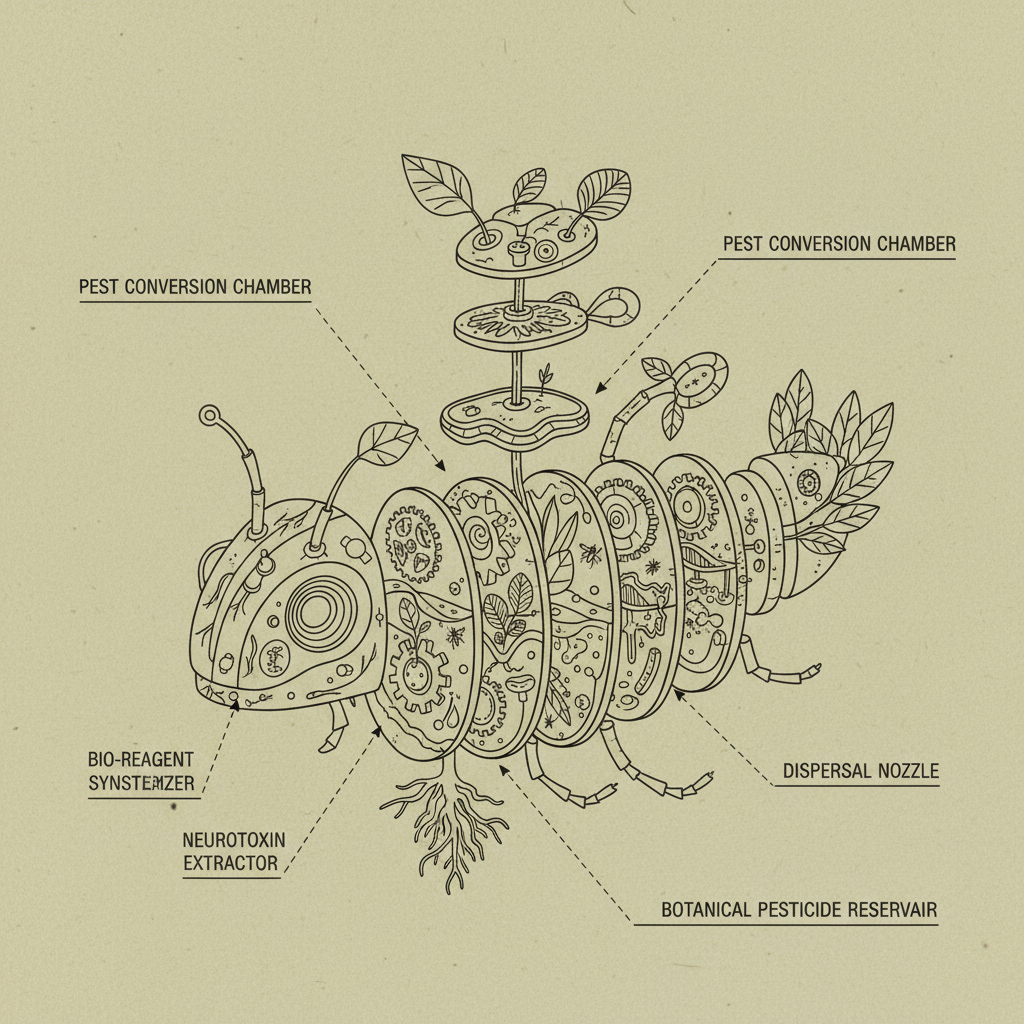
Global Relevance of Insecticides Manufacturers
Insecticides manufacturers are crucial globally, plain and simple. The UN Food and Agriculture Organization estimates that insect pests cause up to 40% crop losses worldwide. Forty percent! That’s a massive impact on food security, especially in developing nations. We're not just talking about farmers losing income; we're talking about widespread hunger and political instability. It’s a serious business, and the demand for effective insecticides isn't going anywhere anytime soon.
You see, it's not just agriculture either. Public health relies heavily on insecticides to control disease vectors like mosquitoes – malaria, dengue fever, Zika virus… the list goes on. Protecting infrastructure – everything from wooden buildings to electrical grids – also needs pest control. The World Health Organization reports that vector-borne diseases account for more than 17% of all infectious disease deaths globally. So, this isn’t a niche industry; it's a fundamental part of maintaining a functioning world.
Defining Insecticides Manufacturers
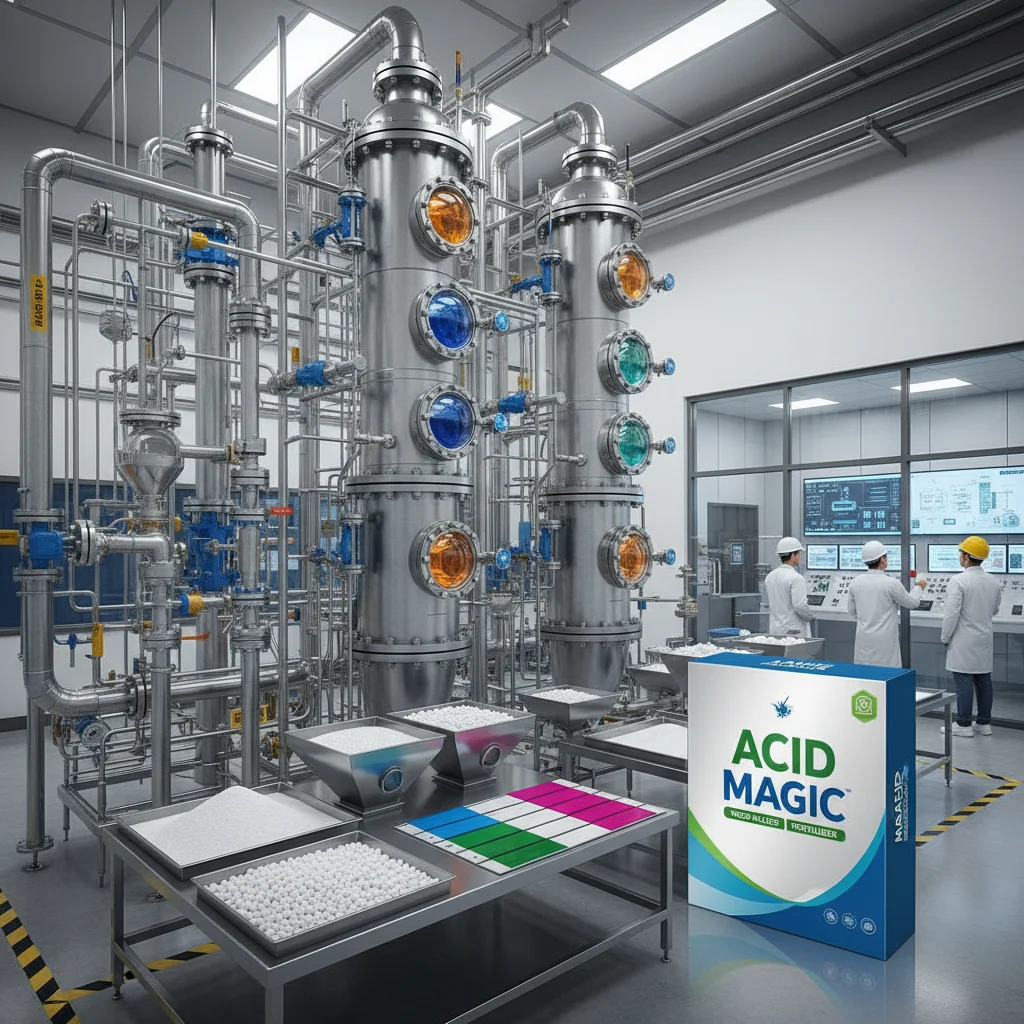
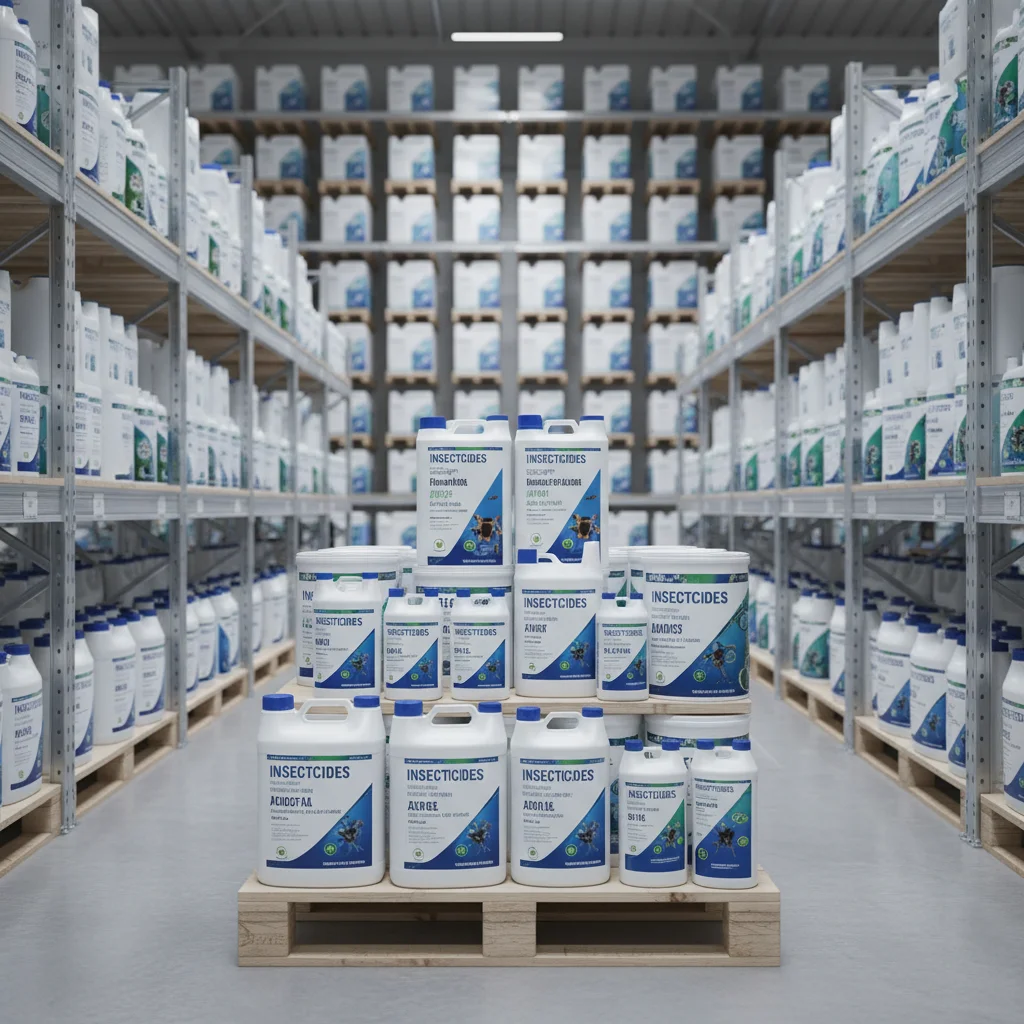
Okay, so what are insecticides manufacturers? They're the companies that research, develop, formulate, and produce the chemicals designed to kill insects. But it's more than just mixing stuff in a lab. It's about understanding insect biology, pesticide chemistry, environmental impact, regulatory compliance, and supply chain management. It’s complex. insecticides manufacturers have to adhere to incredibly strict standards, set by organizations like the EPA and ISO.
They’re essentially the backbone of modern agriculture and public health. Without them, crop yields would plummet, and disease outbreaks would be far more frequent and devastating. It's a huge responsibility, and a lot of these companies take it seriously. They're constantly innovating to develop more targeted and environmentally friendly products.
It connects to modern industry by being a cornerstone of the agrochemical sector, driving innovation in chemical engineering and formulation technologies. Humanitarian needs are met through disease control and food security, fundamentally impacting global well-being.
Key Factors in Insecticides Manufacturers
Durability is huge. You don’t want an insecticide that breaks down the minute it hits the field. A stable formulation, resistant to UV degradation and washout, is vital. We saw a problem with a batch of pyrethroids last year; the active ingredient degraded in the heat, and the farmers were left with basically water. A costly mistake.
Another key factor is specificity. You want an insecticide that targets the pest insect without harming beneficial insects like pollinators. Broad-spectrum insecticides are becoming less desirable because of their environmental impact. Newer formulations focus on more targeted approaches – like interfering with specific insect hormones or enzymes. That’s where the real innovation is happening.
Cost-effectiveness is always a concern, especially for farmers in developing countries. A highly effective insecticide is useless if they can’t afford it. Manufacturers have to balance performance with price, and often that means finding ways to streamline production and reduce costs without compromising quality. Then there's regulatory compliance. Dealing with different regulations in different countries is a nightmare.
Global Applications and Use Cases
Insecticides manufacturers’ products are deployed across the agricultural spectrum, protecting crops like cotton, corn, and soybeans from devastating infestations. In Africa, they're fighting locust swarms that threaten food supplies for millions. It’s a constant battle.
Beyond agriculture, you see them used extensively in public health programs. Mosquito control is a massive industry, particularly in tropical regions. They're used to protect against malaria, dengue fever, and Zika virus. In post-disaster relief operations, insecticides are crucial for controlling disease outbreaks that often follow floods or earthquakes.
Even in remote industrial zones, insecticides protect infrastructure and prevent economic losses. Think about protecting wooden structures from termites, or preventing insect damage to electrical equipment. And let's not forget the residential market – homeowners using sprays and granules to control pests around their homes.
Insecticides Manufacturers - Formulation Effectiveness
Advantages and Long-Term Value
The tangible benefits are clear – increased crop yields, reduced disease transmission, and protection of infrastructure. But the long-term value goes beyond that. Sustainable pest management practices, developed by insecticides manufacturers, contribute to environmental health by reducing the need for excessive pesticide use. That's the goal, anyway.
It’s about ensuring food security for future generations and protecting public health. There’s an emotional component, too. Knowing you’re contributing to a healthier and more sustainable world… it's a good feeling. And trust is paramount. Farmers and public health officials need to trust that the products they're using are safe and effective.
Future Trends & Innovations
We're seeing a big push towards biological insecticides – products derived from natural sources like bacteria, fungi, or viruses. They're generally more environmentally friendly and have a narrower spectrum of activity. Precision agriculture is also a key trend – using sensors and data analytics to apply insecticides only where and when they’re needed.
Digital transformation is impacting the entire industry, from R&D to supply chain management. Automation is streamlining production processes and improving quality control. And of course, there’s a constant focus on developing new formulations that are more effective and less harmful to the environment. It’s a race against evolving pests, to be honest.
Challenges & Solutions
The biggest challenge is insecticide resistance. Pests evolve, and they eventually develop resistance to the chemicals we use to control them. It’s a constant arms race. We need to develop new insecticides with different modes of action, and we need to promote integrated pest management strategies that combine chemical control with biological control and cultural practices.
Regulatory hurdles are also a major challenge. Getting a new insecticide approved can take years and cost millions of dollars. And the increasing pressure from environmental groups is making it harder to bring new products to market. I encountered this at an agrochemical factory last time. They were sitting on a promising new insecticide, but they couldn’t get it approved because of concerns about its impact on honeybees. Anyway, I think, better collaboration between regulators, scientists, and industry is essential.
Another issue is counterfeit pesticides. They’re a huge problem in some parts of the world, and they pose a serious risk to farmers and the environment. We need to crack down on illegal production and distribution networks.
Key Challenges & Potential Solutions for Insecticides Manufacturers
| Challenge |
Severity (1-10) |
Potential Solution |
Implementation Cost (USD) |
| Insecticide Resistance |
9 |
Develop novel compounds with unique modes of action |
5,000,000 |
| Stringent Regulations |
7 |
Proactive engagement with regulatory bodies |
200,000 |
| Counterfeit Products |
8 |
Supply chain traceability & authentication technologies |
1,000,000 |
| Environmental Concerns |
6 |
Invest in biological and targeted insecticides |
3,000,000 |
| Public Perception |
5 |
Transparency and public education campaigns |
100,000 |
| Supply Chain Disruptions |
7 |
Diversification of sourcing and strategic stockpiling |
500,000 |
FAQS
Aphid control requires a multifaceted approach. While various insecticides can be effective, pyrethroids, neonicotinoids, and insecticidal soaps are commonly used. However, aphids can develop resistance quickly, so rotating insecticide classes and combining chemical control with biological control methods (like introducing ladybugs) is crucial. Considering the impact on beneficial insects is also paramount for long-term sustainability.
The time it takes for an insecticide to show results varies significantly depending on the product, the insect species, the infestation level, and environmental conditions. Contact insecticides typically provide immediate knockdown, while systemic insecticides may take several days to show noticeable effects as the plant absorbs and distributes the chemical. Monitoring the treated area regularly is essential to assess efficacy and reapply if necessary.
Yes, several eco-friendly alternatives are gaining popularity. Biological insecticides based on Bacillus thuringiensis (Bt) or insect growth regulators (IGRs) are less harmful to non-target organisms. Additionally, integrated pest management (IPM) strategies prioritize preventative measures like crop rotation, introducing beneficial insects, and using physical barriers to reduce reliance on chemical insecticides. Choosing formulations with lower toxicity and shorter persistence in the environment is also crucial.
Safety is paramount when handling insecticides. Always wear appropriate personal protective equipment (PPE), including gloves, a mask, and eye protection. Read and follow the label instructions carefully. Avoid applying insecticides on windy days to prevent drift. Store insecticides in a secure, locked location away from children and pets. Wash hands thoroughly after handling and dispose of empty containers properly according to local regulations.
Insecticide resistance develops when insects repeatedly exposed to the same insecticide evolve genetic mutations that allow them to survive. To mitigate resistance, rotate insecticide classes with different modes of action, avoid overuse of insecticides, and incorporate non-chemical control methods into an IPM strategy. Monitoring insect populations for resistance and reporting any suspected cases to relevant authorities is also vital.
Formulation significantly impacts an insecticide's effectiveness. It affects factors like solubility, stability, adhesion to plant surfaces, and penetration into insects. Different formulations—emulsifiable concentrates (ECs), wettable powders (WPs), granules—are suited for specific applications and pest targets. A well-designed formulation ensures the active ingredient reaches the insect in sufficient concentration and remains effective for an adequate period.
Conclusion
So, where does that leave us? Insecticides manufacturers are operating in a complex and ever-changing landscape. They face challenges from resistance, regulations, and environmental concerns. But they also have the opportunity to develop innovative solutions that protect our food supply, safeguard public health, and promote sustainable agriculture. It's not just about selling chemicals; it's about contributing to a more secure and healthy future.
Ultimately, whether this thing works or not, the worker will know the moment he tightens the screw. And that's what matters. If you're looking for a reliable partner in the insecticides space, someone who understands the realities of the field, visit our website: www.hbjrain.com. We're not just manufacturers; we're problem solvers.