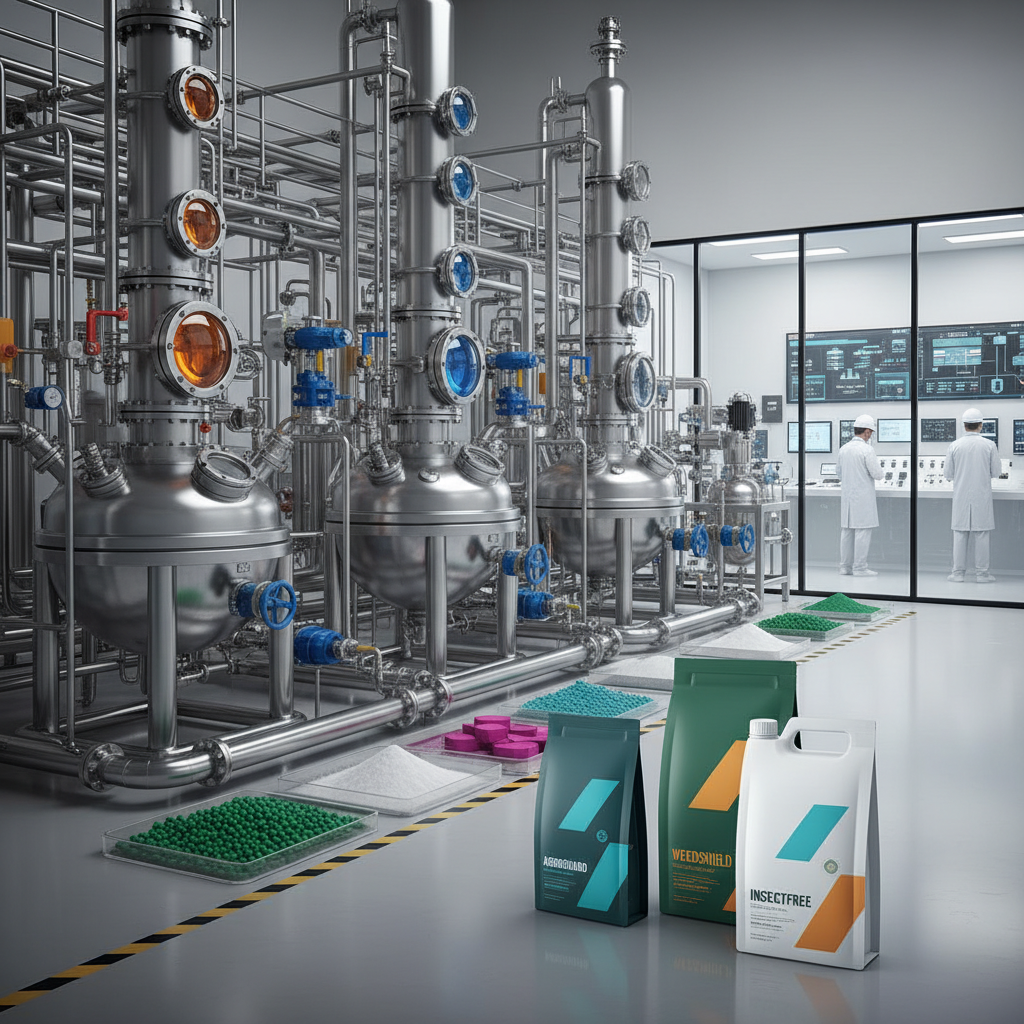

Managing the procurement of industrial chemicals requires a deep understanding of how nitric acid price fluctuations affect downstream manufacturing. As a critical inorganic acid used in the synthesis of fertilizers, explosives, and specialized agrochemicals, its valuation is rarely static. This article provides a comprehensive analysis of the economic drivers that influence the cost of this essential chemical reagent.
For B2B buyers and industrial formulators, the challenge lies in balancing immediate procurement needs with long-term budget stability. Because the production of nitrating agents is energy-intensive and heavily reliant on ammonia feedstock, shifts in the global energy market often trigger rapid price adjustments. Understanding these correlations allows enterprises to optimize their purchasing strategies and mitigate financial risks.
Readers will explore the specific variables that drive market volatility, from raw material costs to environmental mandates. Furthermore, we will examine how companies can evaluate supplier stability and quality standards to ensure that cost-saving measures do not compromise the efficacy of their final products, particularly in high-precision agricultural applications.
Understanding Industrial Chemical Valuation
The valuation of industrial acids is governed by a complex interplay of commodity market trends and manufacturing overheads. Unlike consumer goods, chemical pricing is often structured around "spot prices" and long-term contract agreements. The cost of nitrogen-based compounds is intrinsically linked to the natural gas market, as ammonia—the primary precursor—is synthesized via the Haber-Bosch process. Consequently, any geopolitical instability affecting gas supplies immediately manifests as a surge in the nitric acid price across global markets.
Factors Shaping the Cost of Nitrating Agents
To accurately predict cost trends, procurement officers must analyze several intersecting dimensions. These range from the molecular purity required for specific reactions to the logistical constraints of transporting hazardous materials. Below is a detailed breakdown of the primary drivers impacting the total cost of ownership for these chemical inputs.
Raw Material Volatility
The primary cost driver is the price of anhydrous ammonia. Since ammonia production is highly sensitive to the cost of methane and hydrogen, the chemical chain reacts quickly to energy shocks. When ammonia costs rise, the production cost of nitrating acids increases proportionally, leading to higher wholesale rates for industrial users.
| Cost Factor | Impact Level | Primary Driver | Buyer Consideration |
|---|---|---|---|
| Ammonia Feedstock | Critical | Natural Gas Markets | Track LNG Index |
| Catalyst Lifespan | Moderate | Platinum/Rhodium Cost | Supplier Tech Level |
| Water Purity | Low | Treatment Infrastructure | Local Resource Access |
| Storage Tankage | Moderate | Stainless Steel Prices | Inventory Capacity |
| Freight Costs | High | Fuel Surcharges | Proximity to Plant |
| Regulatory Tax | Moderate | Carbon Credits | Regional Compliance |
Energy Consumption in Production
The Ostwald process, used to manufacture these acids, requires significant electrical and thermal energy for ammonia oxidation. In regions where electricity tariffs are volatile, manufacturers often pass these costs to the buyer. Energy-efficient plants with heat recovery systems generally offer more stable pricing over long-term contracts.
Supply Chain and Logistics
Due to the corrosive and hazardous nature of strong acids, transportation requires specialized tankers and stringent safety protocols. Logistics costs are not merely about distance but include the cost of specialized handling and hazardous material insurance. Regional shortages can cause localized price spikes even if global production is stable.
Environmental Compliance Costs
Modern chemical plants must invest heavily in NOx scrubbing and emission control technologies to meet global environmental standards. These capital expenditures are factored into the per-ton cost of the chemical. Suppliers who maintain high environmental certifications often have higher base prices but lower risk of unplanned shutdowns due to regulatory violations.
Agricultural Demand Cycles
Demand peaks typically align with the global fertilizer production cycle. As a key component in ammonium nitrate, the demand for this acid surges before the planting seasons in the Northern and Southern Hemispheres. This seasonal pressure often leads to temporary increases in market rates.
Global Trade Regulations
Import duties, tariffs, and export restrictions on dual-use chemicals can significantly alter the landed cost. Companies sourcing from international markets must account for customs clearance fees and the risk of geopolitical trade disputes which can suddenly restrict supply and inflate prices.
Quality Purity Variations
Technical grade versus electronic or reagent grade materials carry vastly different price tags. Higher purity requires additional distillation and purification steps, increasing the cost. For agrochemical formulation, utilizing the correct grade is essential to ensure that the final herbicide or pesticide remains stable and effective.
FAQ
What primarily causes the fluctuation in chemical acid pricing?
The primary driver is the cost of ammonia feedstock, which is directly tied to natural gas prices. Additionally, energy costs for the oxidation process and seasonal agricultural demand for nitrate fertilizers contribute significantly to price volatility.
How does purity level affect the cost per ton?
Higher purity levels require more rigorous purification and distillation processes, which increase energy consumption and labor costs. While technical grade is suitable for bulk fertilizer, reagent grade is significantly more expensive due to the strict removal of impurities.
Should I use spot pricing or long-term contracts for B2B procurement?
Long-term contracts are generally preferred for industrial manufacturers to ensure price stability and supply security. Spot pricing may be advantageous during market downturns but exposes the business to extreme volatility during energy crises.
What logistics factors increase the final delivered cost?
Costs are driven up by the requirement for corrosion-resistant transport vessels, hazardous material (HazMat) certifications for drivers, and specialized insurance. The distance from the production facility to the end-user significantly impacts the total landed cost.
How do environmental regulations impact chemical production costs?
Regulations regarding NOx emissions require plants to install and maintain expensive scrubbing systems. These operational costs, along with potential carbon taxes, are integrated into the final product price to maintain plant viability.
Are there regional differences in chemical acid costs?
Yes, regions with abundant natural gas reserves typically have lower production costs. However, these may be offset by higher shipping costs if the buyer is located far from the production hub or if high import tariffs are applied.
References and further reading
- Industrial Inorganic Chemistry: Processes and Market Dynamics.
- Global Nitrogen Cycle and Fertilizer Economics Report.
- Hazardous Materials Transportation Safety Guidelines.
Related Articles