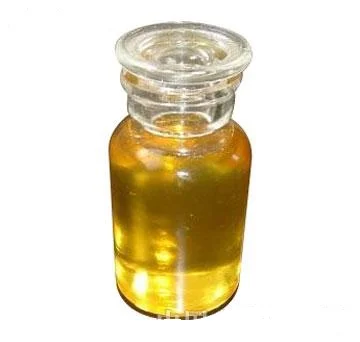
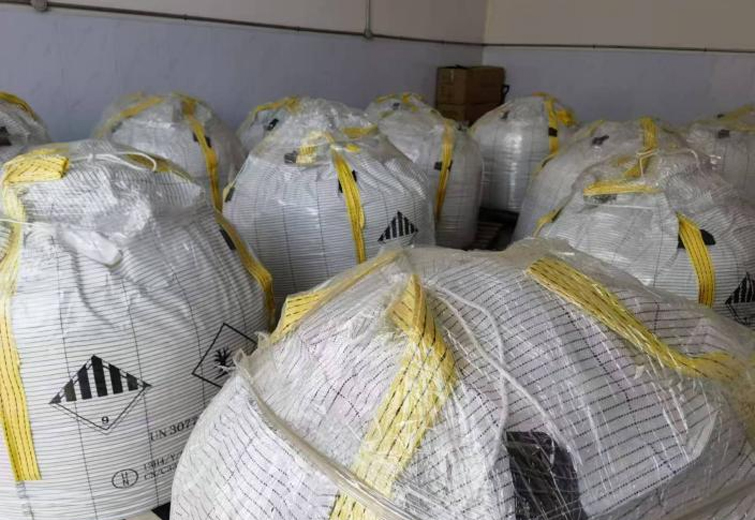
South Korea Advanced Crop Growth Solution with Uniconazole

Integrating high-purity plant growth regulators with comprehensive regulatory compliance for the South Korean agricultural market.

South Korea Advanced Crop Growth Solution with Uniconazole

Providing the Korean agriculture sector with a synergy of technical efficiency and legal assurance through professional Registration Support.

The Current State of Agrochemical Regulation in South Korea

Navigating the strict safety standards and high-tech farming requirements of the Korean peninsula.

South Korea's agricultural landscape is characterized by high-intensity greenhouse farming and a strong emphasis on food safety. The regulatory environment is exceptionally stringent, demanding a rigorous GLP Report for every new active ingredient to ensure zero environmental contamination in the densely populated rural regions.

Due to the mountainous terrain and specific climatic zones, Korean farmers rely heavily on precise growth regulators like Thidiazuron to optimize cotton and ornamental plant yields, requiring products that are not only effective but fully compliant with the Ministry of Agriculture, Food and Rural Affairs (MAFRA) guidelines.

The market currently faces a transition toward "Smart Farming," where the application of chemical agents is integrated with AI sensors. This shift increases the demand for highly stable formulations of Indole-3-butyric acid to ensure consistent rooting success in automated hydroponic systems.
Evolution of Plant Growth Regulation in South Korea

From traditional soil amendments to molecular-level hormonal control.

Market Development History

In the late 20th century, the Korean market relied on basic inorganic fertilizers and primitive growth stimulants. The focus was primarily on yield quantity, with minimal attention to the precise hormonal balance of crops.

Between 2005 and 2015, there was a significant pivot toward synthetic regulators. The introduction of standardized Registration Support services allowed international manufacturers to enter the market, bringing advanced molecules that could control plant height and fruit quality.

Since 2016, the industry has entered the "Precision Era," where the requirement for a validated GLP Report became a non-negotiable barrier to entry, ensuring that only the safest and most efficient chemical entities reach the Korean farmer.

Future Development Trends

Bio-Digital Integration

The fusion of chemical regulators with digital dosing systems to minimize waste and maximize the efficacy of growth inhibitors.

Eco-Compatible Formulations

A shift toward water-soluble and biodegradable carriers for active ingredients to meet Korea's "Green New Deal" agricultural goals.

Targeted Molecular Delivery

Developing nano-encapsulation for hormones to ensure systemic transport within the plant, reducing the overall chemical load on the soil.

Future Outlook for Korean Agrochemicals

Strategic forecasting for the next 3-5 years of agricultural chemistry.

Regulatory Digitization
Accelerated adoption of electronic submission portals for registration dossiers in South Korea.
Low-Residue Demands
Increased market preference for chemicals that degrade rapidly to meet strict MRL standards.
Precision Horticulture
Growth of specialized regulators for high-value berries and ornamental flowers.
Sustainable Synthesis
Adoption of green chemistry to reduce the carbon footprint of pesticide manufacturing.

Industry Outlook

Google search trends in South Korea indicate a rising interest in "Organic-Synthetic Hybrids," suggesting that farmers are looking for chemical solutions that complement biological controls. This opens a window for growth regulators that enhance the plant's natural defense mechanisms.

The long-term outlook suggests a consolidation of the market where only suppliers who can provide both the chemical agent and the supporting GLP Report will maintain dominant market shares.

Local Application Scenarios in South Korea

Real-world deployment of growth regulators across Korean agricultural sectors.

1. High-Density Ginseng Cultivation

Using Uniconazole to control excessive vegetative growth and promote the accumulation of ginsenosides in root crops.

2. Advanced Greenhouse Strawberry Production

Applying Indole-3-butyric acid for precise root induction in soil-less hydroponic substrates to improve nutrient uptake.

3. Commercial Cotton and Fiber Optimization

Deployment of Thidiazuron to manage leaf abscission and enhance the harvest window for specialty fiber crops.

4. Ornamental Floral Engineering

Strategic use of growth inhibitors to create compact, high-value potted plants for the urban Seoul metropolitan market.

5. Regulatory Compliance for New Imports

Utilizing professional Registration Support to navigate the K-REACH and pesticide act requirements for new product entry.

Brand Story

Global Development History of Hebei Jiarun Technology Co., Ltd.

Foundation and Vision

Established with a mission to bridge the gap between chemical synthesis and agricultural application, focusing on high-purity growth regulators.

Quality Standardization

Implementing international quality control protocols to ensure every batch meets the stringent demands of global markets like South Korea.

Regulatory Breakthroughs

Expanding capabilities to provide full-spectrum registration support, reducing the time-to-market for innovative crop solutions.

Global Reach Expansion

Building strategic partnerships across Asia to deliver tailored chemical solutions that respect local environmental laws.

Commitment to Sustainability

Investing in green synthesis to ensure that the future of farming is both productive and ecologically sustainable.

Complete Product Portfolio for South Korea

A comprehensive range of growth regulators and registration services.

Common Questions in South Korea Agrochemicals

Technical and regulatory answers for the Korean market.

How to obtain a valid GLP Report for Korean pesticide registration?

A valid GLP Report must be issued by an OECD-certified laboratory, detailing the toxicity and environmental fate studies of the active ingredient.

What is the efficacy of Uniconazole in Korean ginseng crops?

It is highly effective in reducing shoot height and increasing the concentration of active saponins in the root, improving overall crop value.

Can Indole-3-butyric acid be used in hydroponic systems?

Yes, its high stability makes it ideal for water-based systems to promote rapid and healthy root development in seedlings.

What Registration Support is needed for importing Thidiazuron?

Importers require a full technical dossier, including purity analysis and safety data sheets compliant with South Korean national standards.

Are there specific MRLs for growth regulators in South Korea?

Yes, South Korea maintains strict Maximum Residue Levels (MRLs) which are updated annually by the food safety authorities.

How does the climate of South Korea affect the application of PGRs?

The distinct four seasons require seasonal adjustment of dosage, especially during the monsoon period to prevent chemical leaching.

Get Expert Agrochemical Guidance

Our specialists are ready to help you navigate the complex agricultural requirements of South Korea.

Contact Us Now

If you are interested in our products, you can choose to leave your information here, and we will be in touch with you shortly.