High-Efficiency Uniconazole Solutions for Kazakhstan Agriculture

Optimizing crop yield and plant growth regulation across the Steppes of Central Asia with world-class chemical precision.

High-Efficiency Uniconazole Solutions for Kazakhstan Agriculture

Providing comprehensive plant growth regulators and rigorous regulatory compliance services to enhance Kazakhstan's agricultural productivity through advanced chemistry.

Agricultural Chemical Landscape in Kazakhstan

Analyzing the intersection of continental climate and chemical demand in Central Asia.

Kazakhstan's agriculture is characterized by vast wheat and oilseed territories facing extreme temperature fluctuations and arid soil conditions. The demand for high-stability plant growth regulators is critical to mitigate drought stress and optimize nutrient uptake in the northern and southern grain belts.

Currently, the market is shifting towards stricter regulatory compliance. Local distributors increasingly require a comprehensive GLP Report to ensure that imported agrochemicals meet the evolving safety and environmental standards of the Eurasian Economic Union (EAEU).

The integration of specialized agents like Thidiazuron is becoming more prevalent in specific high-value horticultural sectors, aiming to improve defoliation and fruit quality despite the challenging Kazakh climatic constraints.
Evolution of Growth Regulators in the Steppe Region

From traditional fertilization to precision molecular growth modulation.

Market Development History

During the late 20th century, Kazakhstan relied primarily on basic nitrogen-based fertilizers and generic pesticides. The focus was on quantity over quality, with little emphasis on the precise modulation of plant hormones or growth inhibitors.

From 2010 to 2020, the industry entered a transition phase. Farmers began adopting targeted growth regulators to prevent lodging in wheat crops. This era saw the rise of Indole-3-butyric acid for root stimulation in newly developed orchard projects across the Almaty region.

Since 2021, the focus has shifted toward "Compliance-Driven Growth." The requirement for detailed Registration Support has become the primary barrier to entry, forcing manufacturers to provide high-transparency data for local registration.

Future Development Trends

Precision Dosage Technology

Moving toward nano-encapsulation to ensure that active ingredients are released slowly, reducing waste in the windy Kazakh plains.

Biological Synergy

Integrating synthetic regulators with bio-stimulants to enhance the natural resilience of crops against extreme frost and heat cycles.

Digital Compliance Integration

The adoption of blockchain-verified GLP data to accelerate the customs clearance and registration process for imported agrochemicals.

Industry Trends and Strategic Outlook

Anticipating the next wave of chemical innovation for Kazakhstan's agro-economy.

Regulatory Acceleration
Increasing reliance on professional Registration Support to navigate EAEU laws.
Climate-Resilient Formulations
Development of chemicals that remain stable in temperatures from -30°C to +40°C.
Low-Toxicity Alternatives
Transitioning to greener chemical profiles to meet global export standards for Kazakh grain.
Root System Optimization
Using enhanced auxin-like substances to increase drought resistance in soil.

Industry Outlook

Google Search trends indicate a rising interest in "sustainable pesticide registration" and "EAEU GLP compliance" within the Kazakhstan region. This suggests a fundamental shift where the value proposition is no longer just the chemical purity, but the ease of legal market entry.

We predict that within 3-5 years, the market will move toward customized chemical cocktails tailored to specific Kazakh soil profiles, blending growth inhibitors with systemic fungicides to ensure total crop protection.

Localized Application Scenarios in Kazakhstan

Practical implementations of advanced growth regulators across diverse Kazakh biomes.

1. Wheat Lodging Control in Northern Kazakhstan

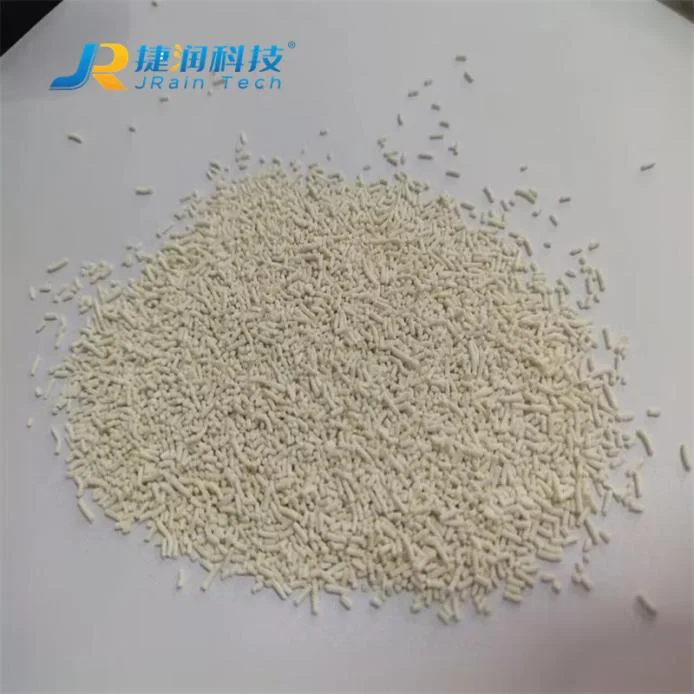
Applying Uniconazole to reduce internode length in winter wheat, preventing lodging during the heavy wind seasons of the northern plains.

2. Rooting Acceleration for Almaty Vineyards

Utilizing Indole-3-butyric acid during the transplanting phase of high-value grape varieties to ensure rapid establishment in alkaline soils.

3. Cotton Defoliation in Southern Regions

Strategic use of Thidiazuron in the southern cotton belts to synchronize defoliation, facilitating mechanical harvesting and improving fiber quality.

4. Regulatory Entry for New Pesticide Brands

Implementing full-scale Registration Support for international firms entering the Kazakh market, ensuring all dossiers meet EAEU standards.

5. Data Validation for Export Grade Crops

Providing a certified GLP Report for residues analysis, allowing Kazakh exporters to meet stringent EU and Chinese import requirements.

Brand Story

Global Development Journey of Hebei Jiarun Technology Co., Ltd.

Foundational Precision

Started with a mission to eliminate the gap between laboratory chemical purity and field-level application efficiency in agrochemicals.

Regulatory Mastery

Developed a specialized department focused on global registration support, transforming complex legal barriers into market opportunities.

Central Asian Expansion

Strategically entered the Kazakhstan market by aligning our product portfolio with the specific climatic needs of the Eurasian steppe.

GLP Standard Leadership

Invested in state-of-the-art testing facilities to provide GLP reports that are recognized by the world's most stringent regulatory bodies.

Sustainable Future

Now leading the transition toward eco-friendly plant growth regulators that balance high yield with environmental stewardship.

Complete Chemical Portfolio for Kazakhstan Agriculture

A curated selection of growth regulators and compliance services for the Central Asian market.

Kazakhstan Agro-Chemical FAQ

Solving the most common technical and regulatory challenges for local partners.

How does Uniconazole perform in the arid climate of Southern Kazakhstan?

It is highly effective in reducing transpiration and excessive vegetative growth, which helps crops conserve water during the intense heat of the Southern regions.

What are the current requirements for a GLP Report in the EAEU region?

Reports must be issued by an accredited GLP laboratory, covering toxicity, residue, and environmental fate studies following OECD guidelines.

Can Indole-3-butyric acid be used for large-scale reforestation in Kazakhstan?

Yes, it is an ideal choice for stimulating root development in saplings, increasing the survival rate in the wind-swept steppe soils.

How long does Registration Support usually take for new pesticide entries?

Depending on the data available, the process typically ranges from 6 to 18 months, including local field trials and dossier review.

What is the optimal application window for Thidiazuron in cotton?

It should be applied during the late ripening stage to ensure uniform leaf drop and optimal boll opening before the first frosts.

Are there synergistic effects when combining Uniconazole with other fungicides?

Yes, combining growth inhibitors with systemic fungicides often results in stronger plant stems and better disease resistance in wheat crops.

Secure Your Agricultural Future Today

Contact our experts for professional chemical procurement and registration assistance tailored for Kazakhstan.

Contact Us Now

If you are interested in our products, you can choose to leave your information here, and we will be in touch with you shortly.