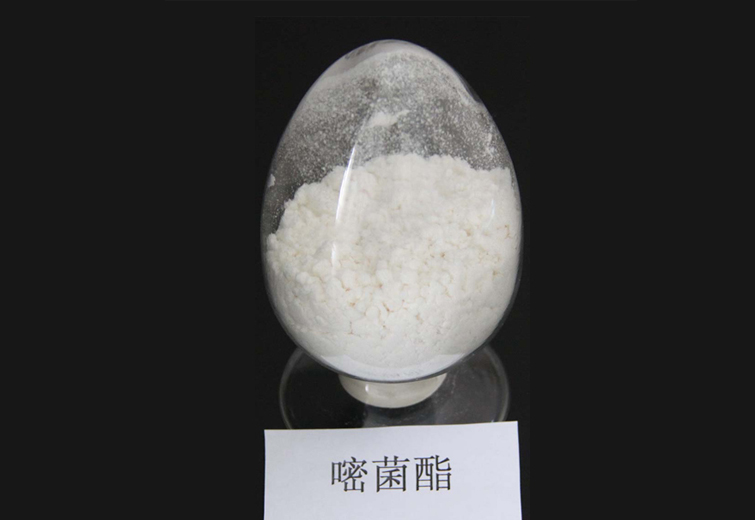
High-Efficiency Plant Growth Regulation via Thidiazuron in Indonesia

Optimizing agricultural yields in the Indonesian archipelago through advanced chemical synthesis and comprehensive regulatory compliance.

High-Efficiency Plant Growth Regulation via Thidiazuron in Indonesia

Providing world-class plant growth regulators and essential Registration Support to navigate the complex Indonesian agricultural regulatory landscape.

The State of Agro-Chemical Manufacturing in Indonesia

Analyzing the intersection of tropical climate challenges and chemical regulatory demands.

Indonesia's agricultural sector faces unique pressures due to its humid tropical climate, which accelerates the degradation of active ingredients. The demand for precision tools like Uniconazole is rising as farmers seek to control vegetative growth and improve crop resilience against local fungal pathogens.

The regulatory environment in Indonesia has become increasingly stringent, requiring rigorous data validation. The necessity for a professional GLP Report has shifted from a luxury to a mandatory requirement for any chemical product entering the local market to ensure environmental safety and efficacy.

Economic shifts toward high-value export crops, such as oil palm and rubber, have driven the demand for specific hormones. The application of Indole-3-butyric acid has become pivotal for enhancing root development in nursery stages across Java and Sumatra.
Evolution of Plant Growth Regulators in Indonesia

From traditional organic stimulants to high-precision synthetic regulators.

Market Development History

In the early 2000s, Indonesian agriculture relied heavily on basic nitrogen-based stimulants. However, by 2010, the industry shifted toward targeted synthesis, introducing specialized growth retardants to optimize canopy management in tropical fruit orchards.

Between 2015 and 2020, the integration of international standards began. The adoption of GLP Report frameworks allowed Indonesian importers to source higher-purity technical grades, reducing phytotoxicity risks in sensitive crops.

Currently, the market has entered the era of "Precision Chemistry," where the synergy between Thidiazuron and other regulators is used to synchronize harvest cycles, significantly reducing labor costs during peak seasons.

Future Development Trends

Bio-Synthetic Hybridization

Integrating synthetic regulators with bio-stimulants to reduce the overall chemical footprint while maintaining high yields.

Digital Regulatory Integration

The transition toward e-registration systems, making Registration Support services essential for rapid market entry.

Climate-Adaptive Formulations

Developing encapsulated delivery systems that prevent the rapid volatilization of regulators in Indonesia's high-temperature environments.

Industry Trends and Future Outlook

Projecting the trajectory of the Indonesian agro-chemical landscape for 2025-2030.

Regulatory Compliance Acceleration
Increasing reliance on global Registration Support to meet evolving Indonesian Ministry of Agriculture standards.
Precision Growth Control
Growth of Uniconazole usage for optimizing plant architecture in commercial greenhouses.
Rooting Optimization
Expanding use of Indole-3-butyric acid for rapid reforestation and estate expansion.
Defoliation Efficiency
Application of Thidiazuron for cotton and ornamental crop management in local plantations.

Industry Outlook

Google search trends indicate a significant increase in "sustainable agrochemicals" and "GLP certified suppliers" within the Southeast Asian region. This suggests a shift toward quality-driven procurement over low-cost generics.

We anticipate that the Indonesian market will prioritize products that offer documented efficacy via a GLP Report, driving the growth of high-end plant growth regulator segments.

Localized Application Scenarios in Indonesia

Practical deployments of growth regulators across Indonesian agricultural zones.

01. Palm Oil Nursery Rooting

Utilizing Indole-3-butyric acid in Sumatra to accelerate the rooting of oil palm cuttings, ensuring higher survival rates during transplanting to the field.

02. Rice Canopy Control

Applying Uniconazole in Central Java to prevent lodging in high-yield rice varieties by optimizing stem thickness and height.

03. Cotton Defoliation in East Nusa Tenggara

Implementing Thidiazuron to facilitate uniform defoliation of cotton crops, improving the quality of the fiber harvest.

04. Regulatory Market Entry

Providing specialized Registration Support for new chemical entities to pass the rigorous toxicity and efficacy trials required by Indonesian authorities.

05. Compliance Data Validation

Deploying a comprehensive GLP Report for import permits, ensuring that imported regulators meet the environmental safety thresholds of the local ecosystem.

Brand Story

Global Development History of Hebei Jierun Technology Co., Ltd.

Founding Vision

Established with a mission to bridge the gap between complex chemical synthesis and practical field application in agriculture.

Technical Breakthroughs

Developed advanced purification processes for growth regulators, ensuring minimum impurity levels for sensitive tropical crops.

Global Quality Standards

Achieved international certification, enabling the provision of gold-standard data for global regulatory submissions.

Strategic Expansion in Asia

Localized support networks in Indonesia to provide real-time technical guidance and registration expertise.

Future Sustainability

Committing to green chemistry and the reduction of environmental impact in the agro-chemical manufacturing process.

Complete Product Portfolio for Indonesia

A comprehensive suite of regulators and compliance services tailored for the Indonesian market.

Common Questions for the Indonesian Market

Expert answers to technical and regulatory challenges.

How does a GLP Report accelerate the registration process in Indonesia?

A GLP (Good Laboratory Practice) Report provides internationally recognized data that reduces the need for repetitive local trials, significantly shortening the time to market.

What is the optimal dosage of Uniconazole for tropical rice cultivars?

Dosage varies by cultivar; however, precision application during the tillering stage is key to preventing lodging without reducing grain yield.

Can Thidiazuron be used for other crops besides cotton in Asia?

Yes, it is effectively used as a defoliant and growth regulator in various ornamental plants and certain fruit crops to synchronize maturation.

Why is Indole-3-butyric acid preferred for nursery rooting in Sumatra?

It provides superior stability and more consistent root induction compared to other auxins, which is critical in high-humidity environments.

What specific Registration Support is available for new entrants to the Indonesian market?

Our support includes dossier preparation, toxicity data alignment, and coordination with local regulatory bodies to ensure a seamless approval process.

How to prevent phytotoxicity when applying plant growth regulators in high temperatures?

We recommend applying products during early morning or late evening and utilizing high-purity formulations to minimize chemical stress on the plant.

Get Expert Consultation

Partner with our technical experts to optimize your agricultural chemistry strategy in Indonesia.

Contact Us Now

If you are interested in our products, you can choose to leave your information here, and we will be in touch with you shortly.