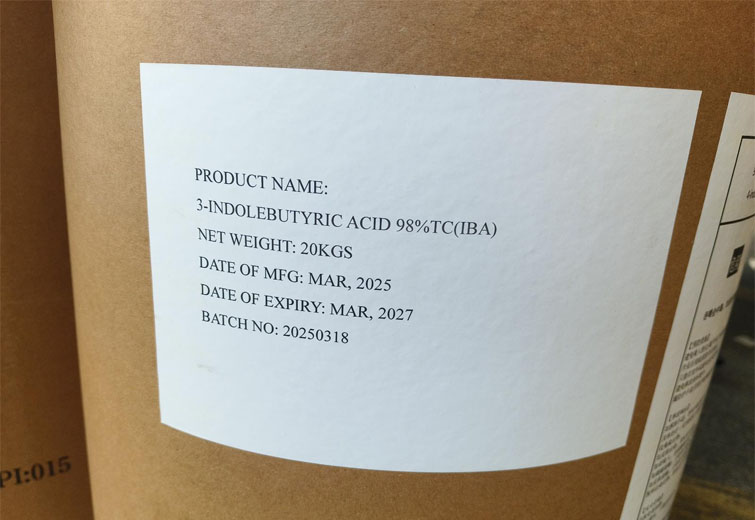
Agriculture in North Korea is characterized by a challenging topography and a highly centralized management system. Due to the prevalence of mountainous terrain, the demand for specialized growth regulators like Indole-3-butyric acid has grown to optimize rooting and transplantation in limited arable land.
The local market is currently transitioning from basic urea-based fertilizers to more complex chemical interventions. However, the lack of standardized GLP Report documentation often hinders the rapid adoption of newer, safer molecules that could mitigate the effects of soil degradation.
Climate volatility on the Peninsula necessitates the use of agents such as Thidiazuron to manage leaf senescence and improve crop harvest windows, balancing the urgent need for caloric output with environmental constraints.