Advanced Uniconazole Solutions for Mali Agriculture

Empowering Malian farmers with high-efficiency plant growth regulators and comprehensive regulatory compliance services.

Advanced Uniconazole Solutions for Mali Agriculture

Integrating precision chemistry with professional Registration Support to ensure sustainable crop yields in the Sahelian climate.

Agricultural Chemical Landscape in Mali

Navigating the challenges of semi-arid farming and regulatory frameworks.

Agriculture in Mali is heavily influenced by the volatile rainfall of the Sahel region, making the use of plant growth regulators essential for drought resistance. However, the local market often struggles with the authenticity of technical materials and a lack of standardized GLP Report documentation, which hinders the legal entry of high-quality fungicides and regulators.

The prevalence of cotton and cereal crops requires specialized tools like Thidiazuron to manage defoliation and maturity. Current practices are shifting from traditional broad-spectrum application to targeted growth modulation to combat the increasing soil salinity and thermal stress found in the Niger River basin.

Despite the demand, the gap between chemical innovation and field application remains wide. There is an urgent need for products that provide consistent results under extreme heat, supported by transparent data that satisfies both local agricultural ministries and international safety standards.
Evolution of Agrochemical Technology in Mali

From basic fertilization to precision hormonal regulation.

Market Development History

Between 1990 and 2005, the Malian market relied primarily on generic urea and basic herbicides. The focus was on quantity over precision, with very little emphasis on growth regulators or structured registration processes.

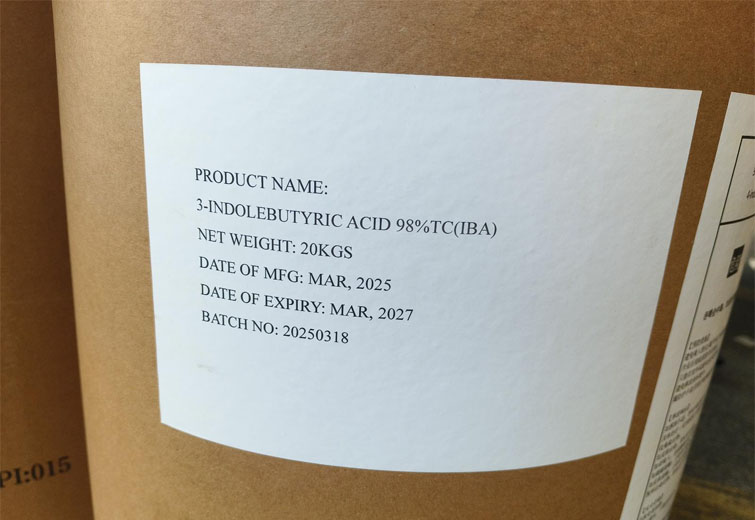
From 2006 to 2018, there was a significant shift toward integrated pest management (IPM). The introduction of specialized rooting hormones like Indole-3-butyric acid allowed for better nursery establishment, moving the industry toward scientific propagation.

Since 2019, the market has entered the "Compliance Era." The Malian government has tightened import controls, making a valid GLP Report a prerequisite for market entry, favoring manufacturers who provide full scientific dossiers.

Future Development Trends

Bio-Synthetic Integration

The trend is moving toward combining synthetic regulators with bio-stimulants to reduce chemical load while maintaining high yields in arid zones.

Digital Registration Tracking

Expect a transition toward e-registration systems where Registration Support will be managed through digital portals to speed up the approval of new active ingredients.

Climate-Adaptive Formulations

Future products will focus on "Slow-Release" technology, ensuring that active ingredients remain stable under Mali's high UV index and temperature fluctuations.

Industry Trends and Future Outlook

Predicting the trajectory of plant growth regulation in West Africa.

Regulatory Harmonization
Increased alignment with ECOWAS standards to simplify the import of certified chemicals.
Precision Hormonal Control
Shift towards low-dose, high-efficacy regulators to optimize plant architecture.
Eco-Friendly Formulation
Developing water-based formulations to reduce solvent toxicity in local soil.
Data-Driven Application
Using soil sensor data to time the application of growth regulators.

Industry Outlook

The next five years will see Mali transitioning from a passive importer to a strategic adopter of agrochemical technology. The demand for Registration Support will spike as local distributors seek to formalize their partnerships with global manufacturers.

We anticipate a 15% annual growth in the demand for specialized plant hormones, driven by the expansion of commercial horticulture and the necessity of climate-resilient farming techniques.

Localized Application Scenarios in Mali

Practical deployment of growth regulators in various Malian agro-ecological zones.

1. Cotton Defoliation in the Sudano-Sahelian Zone

Using Thidiazuron to accelerate leaf drop, facilitating mechanical harvesting and reducing the risk of boll rot during the humid transition period.

2. Cereal Height Control in the Niger River Valley

Application of Uniconazole to reduce excessive stem elongation in rice and maize, preventing lodging during unexpected heavy storms.

3. Fruit Tree Nursery Rooting in Bamako Outskirts

Implementing Indole-3-butyric acid for the rapid propagation of mango and citrus cuttings to expand commercial orchards.

4. Regulatory Compliance for New Imports

Providing comprehensive Registration Support to ensure that new fungicide batches meet the strict safety criteria of the Malian Ministry of Agriculture.

5. Technical Validation through GLP Data

Utilizing a certified GLP Report to prove the efficacy and non-toxicity of growth regulators to large-scale agricultural cooperatives.

Brand Story

Global Development History of Hebei Jiarun Technology Co., Ltd.

Foundational Innovation

Established as a specialized chemical entity focused on the synthesis of high-purity plant growth regulators.

Quality Standardization

Achieved international certifications and began producing dossiers according to strict GLP standards.

Market Expansion

Successfully penetrated the African market by providing combined product and registration solutions.

Technical Leadership

Developed proprietary formulations that maintain stability in extreme tropical and arid climates.

Sustainable Future

Committed to solving the global food crisis through precision chemistry and environmental stewardship.

Complete Product Portfolio for Mali

A curated selection of regulators and support services tailored for the Malian agricultural sector.

Common Questions for Mali Agrochemicals

Expert answers to local regulatory and technical challenges.

How can I obtain Registration Support for new plant regulators in Mali?

We provide end-to-end assistance, from preparing the technical dossier to coordinating with local authorities to ensure a smooth approval process.

Is a GLP Report mandatory for importing Thidiazuron into Mali?

Yes, modern Malian import regulations increasingly require GLP-compliant reports to verify the safety and efficacy of active ingredients.

What is the best application rate for Uniconazole in arid regions?

Rates vary by crop, but we recommend a precision-dose approach based on soil moisture levels to avoid excessive growth inhibition.

How does Indole-3-butyric acid improve nursery success in Mali?

It stimulates rapid root initiation, allowing young plants to establish a stronger water-absorption system before the peak dry season.

Can these growth regulators be mixed with local fertilizers?

Most of our regulators are compatible, but we recommend a small-scale jar test to ensure no precipitation occurs before full-field application.

What are the storage requirements for chemicals in high-temperature zones?

Products should be stored in cool, dry, well-ventilated warehouses away from direct sunlight to prevent active ingredient degradation.

Expert Consultation for Mali

Ready to optimize your crop yields in Mali? Contact our technical team for tailored growth regulator solutions and registration guidance.

Contact Us Now

If you are interested in our products, you can choose to leave your information here, and we will be in touch with you shortly.