
Advanced Crop Growth Solutions with Thidiazuron for New Zealand Agriculture

Providing high-purity plant growth regulators and comprehensive regulatory compliance for the unique agricultural landscape of Oceania.

Advanced Crop Growth Solutions with Thidiazuron for New Zealand Agriculture

Optimizing crop yields and managing growth through precision chemistry and rigorous Registration Support tailored for the New Zealand market.

Agricultural Chemical Landscape in New Zealand

Navigating the intersection of high environmental standards and productivity.

New Zealand's agricultural sector is characterized by its commitment to sustainability and strict biosecurity laws. The market demands chemicals that are not only effective but also leave minimal ecological footprints, necessitating high-quality GLP Report documentation to satisfy the Environmental Protection Authority (EPA) requirements.

The diverse climatic zones, from the subtropical North Island to the temperate South Island, require versatile plant growth regulators. The use of specific agents like Uniconazole is critical for managing plant height and enhancing fruit quality in high-value horticultural exports.

Currently, the industry is shifting toward precision application. The integration of growth regulators must be balanced with New Zealand's "Clean Green" image, making the technical purity and regulatory transparency of products more important than ever for local distributors.
Evolution of Plant Growth Regulation in Oceania

From traditional hormonal applications to molecular precision.

Market Development History

In the early 2000s, New Zealand's approach to growth regulation relied heavily on basic auxins. However, as the export market for kiwifruit and apples grew, there was a transition toward more stable synthetic regulators to ensure uniform crop maturity.

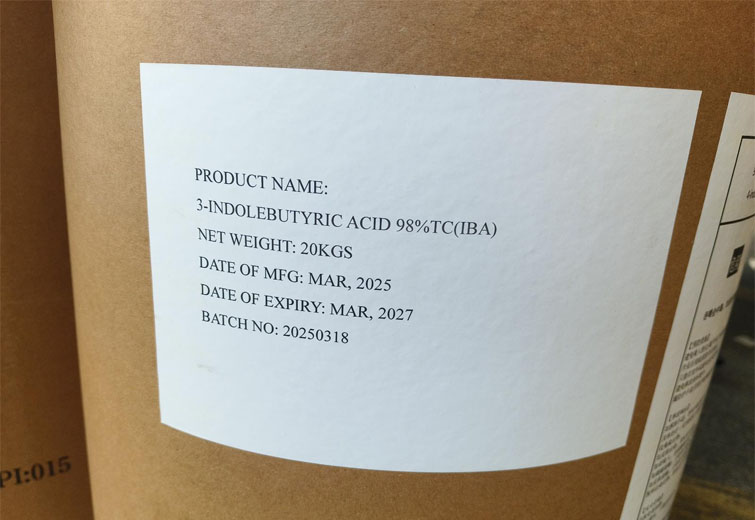
By 2010-2015, the introduction of specialized agents like Indole-3-butyric acid revolutionized rooting success in nursery stocks, allowing for faster establishment of ornamental and forestry species across the islands.

From 2018 to the present, the focus has shifted toward "Registration-First" strategies. The complexity of local toxicity assessments has made comprehensive technical dossiers the primary barrier to market entry, emphasizing the need for professional regulatory guidance.

Future Development Trends

Bio-Compatible Synergies

Integration of synthetic regulators with biological stimulants to reduce the total chemical load while maintaining yield stability.

Digital Application Precision

Shift toward drone-based variable rate application of growth regulators to minimize waste and environmental runoff.

Enhanced Regulatory Transparency

A move toward open-data sharing of safety profiles to accelerate the approval process for innovative chemical entities.

Industry Trends and Future Outlook

Anticipating the next wave of agrochemical innovation in New Zealand.

Regulatory Stringency
Increased demand for OECD-compliant data and rigorous safety validation for all imported chemicals.
Purity Optimization
Shift toward ultra-pure technical grades to reduce impurity-related phytotoxicity in sensitive crops.
Climate Adaptation
Developing formulations that remain stable under the intense UV radiation typical of the Oceania region.
Export Compliance
Aligning chemical residues with MRLs of key export destinations like China and the EU.

Industry Outlook

Over the next 3-5 years, the New Zealand market will likely see a consolidation of chemical suppliers, favoring those who provide an integrated package of product and regulatory expertise. Search trends indicate a rising interest in "sustainable growth regulation," suggesting a shift toward targeted, low-dose applications.

Technological advancements in formulation science, such as nano-encapsulation, will allow for slower release of active ingredients, reducing the frequency of application and aligning with the local goal of reducing chemical runoff into pristine waterways.

Localized Application Scenarios in New Zealand

Real-world deployment of growth regulators across diverse NZ landscapes.

1. Kiwifruit Canopy Management

Utilizing Uniconazole to control excessive vegetative growth in Gold and Green kiwifruit orchards, ensuring better light penetration and fruit sizing.

2. Commercial Nursery Rooting

Applying Indole-3-butyric acid in the propagation of native New Zealand shrubs to increase strike rates and accelerate the transition to potting.

3. Cotton Defoliation for Fiber Quality

Strategic use of Thidiazuron in regional cotton crops to promote synchronized leaf drop, optimizing mechanical harvesting efficiency.

4. EPA Registration Acceleration

Implementing a comprehensive Registration Support framework to navigate the complex EPA approval process for new fungicide combinations.

5. Quality Assurance via GLP

Using standardized GLP Report data to validate the safety of residue levels in dairy-adjacent cropping zones, ensuring zero contamination.

Brand Story

Global Development History of Hebei Jiarun Technology Co., Ltd.

Foundation and Core Vision

Established with a mission to bridge the gap between complex chemical synthesis and practical agricultural application, focusing on high-purity active ingredients.

Technical Infrastructure Growth

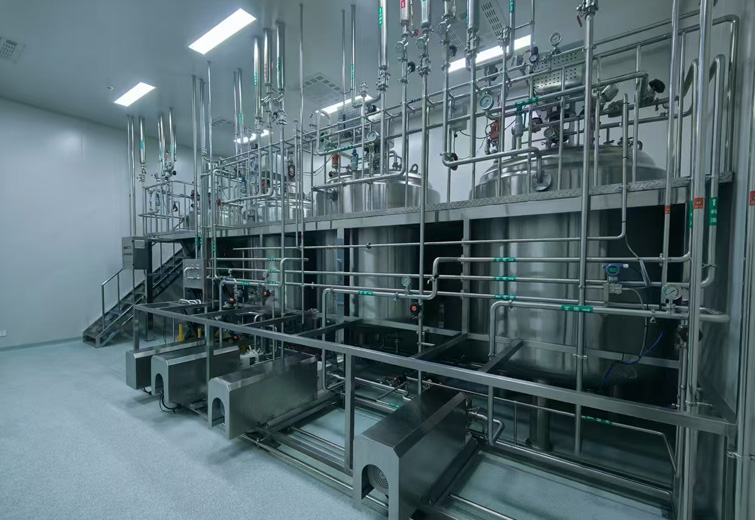
Investing in state-of-the-art synthesis labs to ensure that every batch meets the stringent purity requirements of global markets including the EU and Oceania.

Global Regulatory Expansion

Developing a specialized team to provide registration support, transforming our role from a simple manufacturer to a strategic regulatory partner.

Sustainability Integration

Adopting green chemistry principles to reduce waste during the production of growth regulators, aligning with global carbon neutrality goals.

Oceania Market Leadership

Becoming a trusted supplier for New Zealand's agribusinesses by providing a seamless blend of high-quality products and compliant documentation.

Comprehensive Product Portfolio for New Zealand Agrochemicals

A curated selection of plant growth regulators and support services designed for the Oceania market.

New Zealand Agriculture FAQ

Expert answers to common technical and regulatory questions in the region.

How can I obtain a GLP Report for EPA submission in NZ?

We provide comprehensive data packages including GLP Reports from certified laboratories that meet OECD standards, ensuring a smoother submission process to the NZ Environmental Protection Authority.

What is the best way to use Uniconazole for fruit tree management?

Uniconazole should be applied during the active growth phase. In New Zealand's climate, precision timing is key to preventing excessive shoot elongation without affecting overall fruit set.

Does Indole-3-butyric acid work effectively for native NZ species?

Yes, IBA is highly effective for inducing roots in a wide range of New Zealand native species, especially when used in a powder or dip formulation for cuttings.

Can Thidiazuron be used in mixed formulations for defoliation?

Thidiazuron can be integrated into mixed formulations, but we recommend a compatibility test to ensure stability under Oceania's UV conditions and specific water pH levels.

What level of Registration Support do you provide for new market entry?

Our support covers the entire lifecycle, from providing technical dossiers and purity analysis to assisting with the preparation of risk assessment documents for NZ regulatory bodies.

How do I ensure my growth regulators meet NZ MRL standards?

By utilizing our high-purity technical grades and following our precise application guidelines, you can minimize residue levels to stay well within the Maximum Residue Limits (MRLs) defined by NZ authorities.

Ready to Optimize Your Crop Yields?

Contact our technical team for high-purity growth regulators and regulatory expertise in New Zealand.

               Contact Us Now                    

If you are interested in our products, you can choose to leave your information here, and we will be in touch with you shortly.