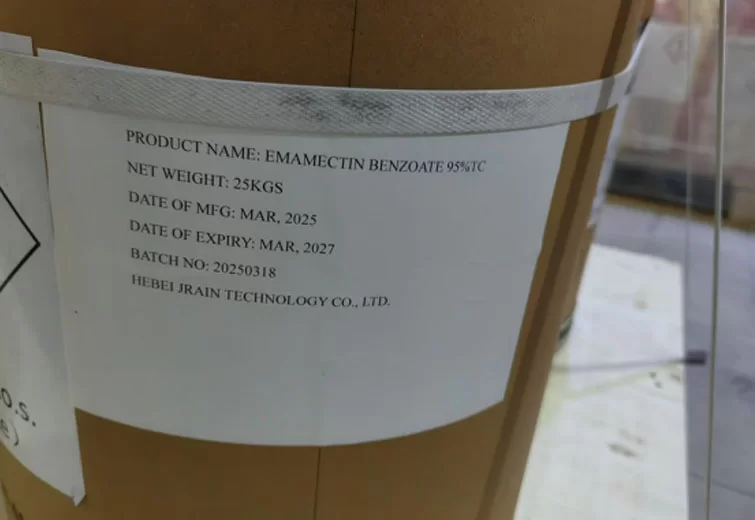
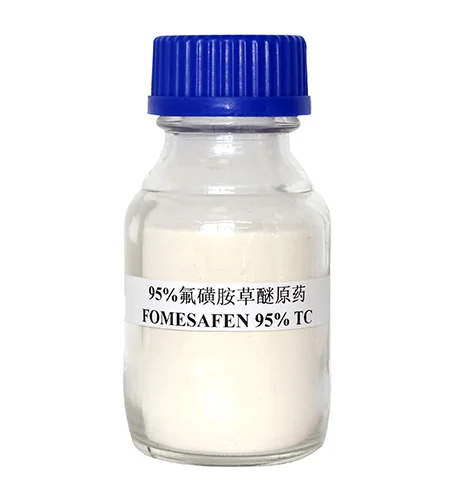
Advanced Crop Growth Solutions and GLP Report Compliance for DRC Agriculture

Empowering the Democratic Republic of the Congo with high-efficacy plant growth regulators and comprehensive regulatory support for sustainable agro-industrial expansion.

Advanced Crop Growth Solutions and GLP Report Compliance for DRC Agriculture

We provide specialized chemical interventions, from precise growth modulation to full Registration Support, ensuring that Democratic Republic of the Congo's farmers access globally certified agri-chemicals.

Current Landscape of Agri-Chemicals in Democratic Republic of the Congo

Analyzing the intersection of tropical biodiversity and regulatory frameworks in the Congo Basin.

The agricultural sector in the Democratic Republic of the Congo is characterized by vast potential hampered by logistical challenges and a complex regulatory environment. In the humid tropical climate of the Congo Basin, the demand for high-stability growth regulators is surging as farmers shift from subsistence to commercial production of palm oil and rubber.

Currently, the market faces a significant gap in technical documentation. Many local distributors struggle with international standards, making the provision of a verified GLP Report essential for the legal entry and safety validation of imported fungicides and plant growth regulators.

The adoption of specialized agents like Uniconazole is increasing to manage canopy growth in plantation crops, reducing the cost of maintenance and increasing the efficiency of harvest in the Congo's challenging terrain.
Evolution and Trajectory of Plant Growth Regulation in DRC

From traditional organic methods to precision chemical synthesis.

Market Development History

In the early 2000s, the DRC agricultural market relied heavily on basic nitrogen-based fertilizers and rudimentary pesticides with little focus on growth modulation. Technical expertise was limited to state-run plantations during the colonial and immediate post-colonial eras.

Between 2010 and 2020, the introduction of synthetic hormones like Indole-3-butyric acid revolutionized the nursery stage of forestry and cash crops, allowing for faster rooting and higher survival rates of transplanted seedlings.

Currently, the market is entering a "Compliance Era." There is a shift toward strictly regulated chemicals where Registration Support has become as valuable as the product itself, ensuring that chemicals are safe for the unique Congo river ecosystem.

Future Development Trends

Precision Application Technology

Integration of drone-based spraying to apply regulators in dense rainforest areas where manual application is impossible.

Bio-Synthetic Synergy

Combining synthetic regulators like Thidiazuron with organic bio-stimulants to maximize yield without degrading soil health.

Strict Regulatory Harmonization

Alignment of DRC's import laws with international GLP standards to streamline the approval process for innovative chemical entities.

Industry Trends and Future Outlook for DRC Agri-Chemistry

Forecasting the next 5 years of chemical innovation in Central Africa.

Regulatory Standardization
Increasing demand for full dossiers and international certification to minimize environmental impact.
Growth Modulation Focus
Shift towards regulating plant architecture to increase yield per square meter in tropical zones.
Supply Chain Digitalization
Using digital tracking for chemical shipments to prevent diversion and ensure purity.
Climate-Resilient Formulations
Developing chemical stabilizers that resist rapid degradation in high-humidity environments.

Industry Outlook

Based on search trends and agricultural growth data, the Democratic Republic of the Congo is moving toward an integrated pest and growth management (IPGM) approach. The reliance on raw chemical application is being replaced by timed, scientific interventions.

We expect a 15-20% increase in the demand for regulatory-compliant imports as the DRC strengthens its trade agreements with global chemical manufacturers, prioritizing those who provide comprehensive technical support and safety data.

Localized Application Scenarios in DRC

Real-world implementations of growth regulators in the Congo Basin.

1. Coffee Plantation Canopy Control

Utilizing Uniconazole to reduce excessive vegetative growth in Arabica coffee, promoting fruit set and simplifying harvesting in the mountainous Kivu region.

2. Rubber Seedling Rooting Optimization

Application of Indole-3-butyric acid in large-scale rubber nurseries to ensure rapid root development and high survival rates during the transfer to the main plantation.

3. Cotton Defoliation and Harvest Acceleration

Using Thidiazuron to synchronize defoliation in cotton fields, allowing for mechanical harvesting and reducing moisture-related boll rot during the rainy season.

4. Regulatory Compliance for New Imports

Providing end-to-end Registration Support for foreign manufacturers entering the DRC market, facilitating the approval of new fungicide molecules.

5. Safety Validation via GLP Documentation

Implementing a GLP Report based safety protocol for the application of plant regulators near water bodies to protect the Congo River's aquatic biodiversity.

Brand Story

Global Development History of Hebei Jiarun Technology Co., Ltd.

Foundation and Vision

Established with a mission to bridge the gap between advanced chemical synthesis and field-level agricultural application.

R&D Breakthroughs

Focused on the purification of plant growth regulators, achieving industry-leading purity levels for global exports.

Global Expansion

Expanding our footprint into Africa, specifically tailoring solutions for the unique climatic needs of Central Africa.

Compliance Leadership

Investing heavily in GLP-certified laboratories to provide seamless registration support for our international partners.

Sustainable Future

Committing to the development of low-toxicity, high-efficiency regulators that protect the planet while feeding the world.

Complete Product Portfolio for the Democratic Republic of the Congo

A comprehensive range of growth regulators and compliance services for DRC's agro-industrialists.

Common Questions for DRC Agri-Chemical Imports

Technical and regulatory guidance for the Congo market.

How does Registration Support accelerate product entry into the DRC?

It streamlines the submission of technical dossiers to local authorities, ensuring all chemical safety data is presented in the required format, which reduces approval time by months.

Why is a GLP Report necessary for importing growth regulators?

A Good Laboratory Practice (GLP) report provides verified evidence of the product's toxicity and environmental impact, which is a prerequisite for safety certification in the DRC.

What is the best use of Uniconazole for Congolese coffee farmers?

It is best used as a growth retardant to control excessive shoot growth, redirecting the plant's energy toward berry production and increasing overall yield.

How can Indole-3-butyric acid improve reforestation in the Congo Basin?

By promoting rapid adventitious root formation in cuttings, it ensures higher survival rates for indigenous hardwood species during large-scale reforestation efforts.

Can Thidiazuron be used safely in the DRC's humid climate?

Yes, when applied according to technical guidelines, it provides effective defoliation and growth control, provided the formulation is stabilized for high humidity.

What technical documents are required for plant regulator registration in Africa?

Typically, a full composition analysis, safety data sheets (SDS), and a validated GLP Report are required to prove environmental safety and efficacy.

Partner with the Experts in Agri-Chemistry

Ready to optimize your crop yields or navigate the regulatory landscape of Democratic Republic of the Congo? Our team is here to help.

Contact Us Now

If you are interested in our products, you can choose to leave your information here, and we will be in touch with you shortly.