Securing crop yields against fungal pathogens requires a delicate balance between efficacy and operational expenditure. For many commercial growers, understanding the blue copper fungicide price is not just about the cost per liter, but about the long-term value proposition of copper-based protection in an integrated pest management strategy.
While copper fungicides have remained a cornerstone of agricultural defense for decades, the current market volatility of raw materials and the shift toward high-purity formulations have created a complex pricing landscape. Procurement managers must now evaluate purity levels and formulation stability to ensure they are not paying a premium for inferior products.
This analysis examines the drivers behind copper fungicide valuation, comparing technical grades with formulated solutions, and providing a strategic framework for B2B buyers to optimize their agrochemical procurement without compromising crop health.

Market Dynamics Affecting Copper Fungicide Valuation

The volatility of the blue copper fungicide price is primarily driven by the global supply of copper salts and the energy costs associated with high-temperature chemical synthesis. In the agrochemical manufacturing sector, the shift toward stricter environmental regulations has forced a transition from crude copper compounds to refined, low-toxicity formulations, which inherently alters the cost structure for the end-user.
From a B2B perspective, price fluctuations are often tied to the purity of the Technical Grade (TC) material. Higher purity levels reduce the volume of product required per hectare, meaning that a higher initial purchase price can actually lead to a lower total cost of application when calculated by active ingredient delivery.
Furthermore, logistics and regional registration requirements, such as ICAMA or GLP standards, add layers of cost. Companies that integrate the full value chain—from the production of raw chemical products to final packaging—are typically better positioned to stabilize pricing for their long-term partners.
Technical Specifications Driving Cost Efficiency
Efficiency in fungal control is not determined by the quantity of the spray, but by the solubility and stability of the formulation. For instance, the choice between Water Dispersible Granules (WDG) and Suspension Concentrates (SC) significantly impacts the operational cost, as different machinery requires different handling protocols.
High-purity technical grades (98%+) ensure that the active copper ions are readily available to disrupt the fungal cell membrane. When purity drops, inert fillers increase, necessitating higher dosage rates to achieve the same biological effect, which ultimately increases the cost per acre.
Moreover, the compatibility of the fungicide with other agents is critical. For example, avoiding alkaline agents is essential to prevent chemical degradation, which would otherwise render an expensive application ineffective and force a costly re-application cycle.
Application Scenarios for Industrial Copper Solutions
Copper-based fungicides are indispensable in the protection of high-value fruit and vegetable crops. In vineyards and orchards, these solutions provide a robust shield against downy mildew and various leaf spot diseases, where the systemic nature of the product ensures that new growth remains protected.
In the context of leafy vegetables and melons, the precision of the application is paramount. Using professional spraying or integrated watering systems allows for an even distribution of the chemical, preventing phytotoxicity while ensuring that every leaf surface is covered to block fungal spore germination.
For large-scale agricultural enterprises, the integration of copper fungicides into a rotational strategy is the only way to prevent resistance. By alternating copper solutions with other fungicides, growers can extend the lifecycle of their crop protection program and maintain high yields across diverse farming environments.
Comparative Analysis of Fungicide Efficacy Metrics
When evaluating the return on investment for copper-based solutions, it is necessary to look beyond the invoice price and analyze performance metrics such as residual efficacy and crop safety. High-grade formulations typically exhibit a longer window of protection, reducing the total number of spray cycles per season.
The following data represents the relative performance of standard copper alternatives versus high-purity refined solutions across key agricultural indicators, highlighting the gap in operational efficiency.
blue copper fungicide price Performance Metrics
As evidenced by the metrics, the increase in initial investment for high-purity products is offset by a significant boost in pest control rates and a reduction in application frequency, leading to a superior overall ROI for the producer.
Strategic Procurement and Supply Chain Risk Management
For B2B buyers, the procurement of agrochemicals involves managing risks related to lead times, regulatory compliance, and quality consistency. A reliable partner must provide more than just the chemical; they must offer registration support, such as LOA and GLP documentation, to ensure the product can be legally and safely deployed in various markets.
Diversifying payment options, including T/T, L/C, and Sinosure Credit, allows companies to manage their cash flow more effectively while securing bulk quantities of raw materials during price dips. This financial flexibility is crucial for maintaining a competitive edge in the seasonal agricultural market.
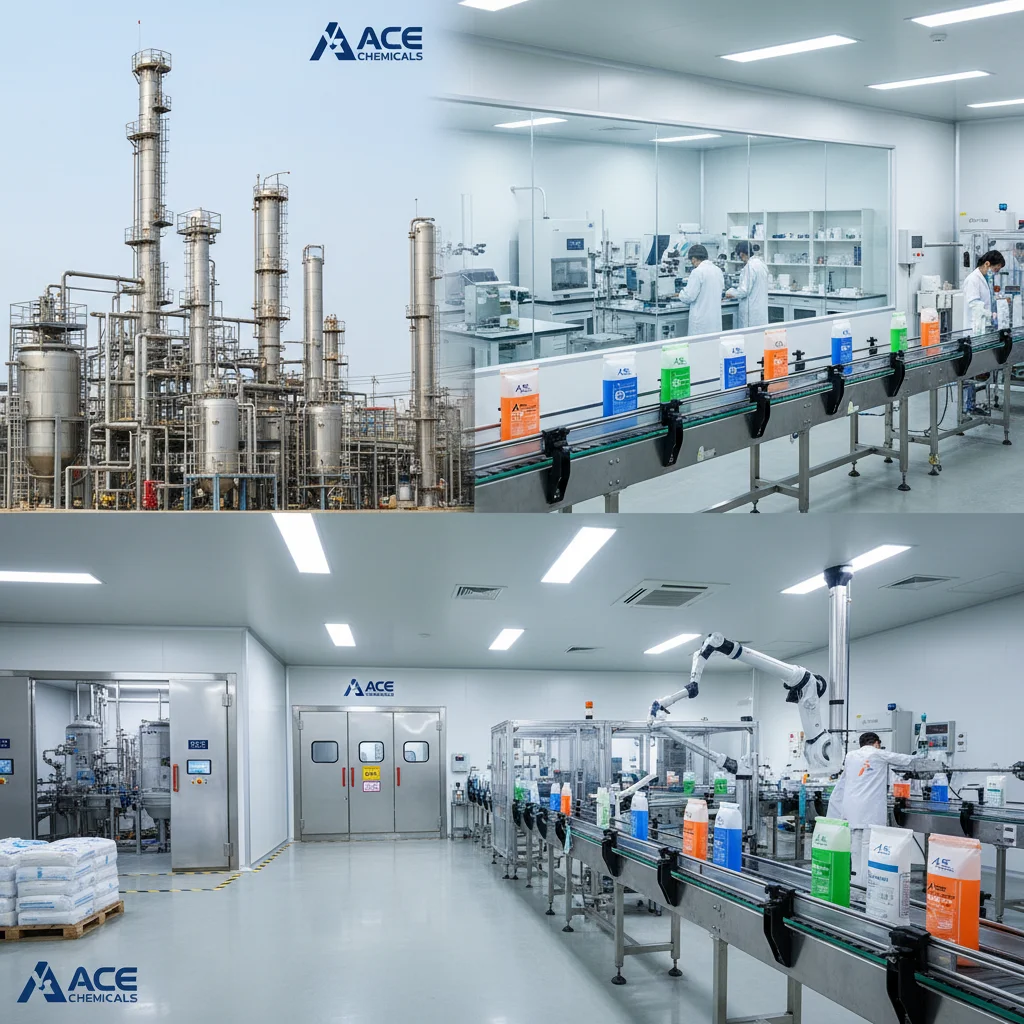
Additionally, investing in a supplier that provides custom production lines—including drying and filling machinery—can reduce dependence on third-party formulators, thereby lowering the total cost of ownership and increasing quality control over the final product delivered to the field.
Evolution of Sustainable Copper Formulations
The industry is moving toward "precision plant protection," where the goal is to reduce the total chemical load on the soil while maintaining efficacy. New developments in copper chelation are likely to enhance the systemic absorption of the fungicide, potentially reducing the necessary dosage per application.
Environmental compliance is no longer optional. The transition toward biodegradable surfactants in SC and WDG formulations is expected to lower the ecological footprint of copper fungicides, making them more acceptable under strict European and North American regulatory frameworks.
Future trends suggest a deeper integration of AI-driven application timing, where copper fungicides are deployed precisely when fungal pressure is highest, further optimizing the relationship between the purchase price and the actual yield protection realized by the farmer.
Buyer Decision Matrix for Fungicide Selection
Selecting the right fungicide requires a weighted analysis of several technical and commercial factors. The following matrix provides a framework for comparing different solution types based on the specific needs of the agricultural operation.
By analyzing these dimensions, procurement officers can determine whether a low-cost generic alternative or a high-purity technical grade is the most economically viable choice for their specific crop and region.
| Solution Type | Purity Level | Application Frequency | ROI Potential |
|---|---|---|---|
| Standard Technical Grade | 85-90% | High | Moderate |
| Refined High-Purity TC | 98-99% | Reduced | High |
| Generic SC Formulation | Variable | High | Standard |
| Professional WDG Grade | High | Moderate | High |
| Eco-Compatible Blend | High | Moderate | High |
| Industrial Bulk Salt | Low | Very High | Low |
Ultimately, the decision should be based on the "Total Cost of Protection," where the initial purchase price is balanced against the reduction in labor, the decrease in application cycles, and the increase in final crop market value.
Frequently Asked Questions
Conclusion
The blue copper fungicide price is a reflection of the technical sophistication and purity of the product. For the professional grower or agrochemical distributor, the objective should not be the lowest unit price, but the highest efficiency per application. By prioritizing high-purity technical grades and stable formulations, businesses can secure their crops while optimizing their long-term operational costs.
For those seeking integrated agrochemical solutions, from high-purity fungicides to custom production machinery, detailed product specifications and company capabilities can be reviewed through www.hbjrain.com.