The global agricultural landscape is currently facing an unprecedented challenge in balancing high crop yields with environmental sustainability. As the demand for food security rises, the role of specialized chemical solutions has become paramount, particularly in managing invasive weed species that compete for nutrients and water. Understanding the operational capacity of plant growth regulator manufacturers and agrochemical providers is essential for modern farmers and industrial land managers seeking efficient, non-residual solutions for crop protection.
In the competitive sector of chemical manufacturing, the shift toward high-efficacy, broad-spectrum herbicides has redefined how we approach non-cultivated land and orchard management. By leveraging advanced organic phosphorus synthesis, the industry is now able to provide glutamine inhibitors that target a vast array of weeds without leaving harmful long-term residues in the soil. This evolution reflects a broader trend toward precision chemistry, where the goal is to maximize the kill rate of unwanted flora while ensuring the safety of the primary crop.
For stakeholders ranging from vineyard owners to industrial developers, partnering with reputable plant growth regulator manufacturers and herbicide specialists ensures access to FAO-standard products. Whether it is achieving professional registration through GLP or ICAMA, the emphasis remains on quality control and regulatory compliance. This comprehensive approach not only optimizes agricultural output but also aligns with global environmental standards for chemical application and safety.

The Role of Organic Phosphorus Herbicides in Modern Agriculture

Organic phosphorus herbicides represent a significant leap in agrochemical engineering, specifically designed as glutamine inhibitors to disrupt the vital metabolic processes of invasive plants. Unlike selective herbicides that may only target a few species, these compounds offer a broad-spectrum contact action, allowing them to neutralize over 100 different types of grasses and broadleaf weeds rapidly upon application.
The synergy between chemical synthesis and botanical science enables plant growth regulator manufacturers to create formulations that are non-living and non-residual. This means that while the product is lethal to target weeds on contact, it does not persist in the soil to hinder the growth of subsequent crops, making it an ideal choice for integrated pest management systems.
FAQS
Unlike systemic herbicides that move through the plant's vascular system to the roots, organic phosphorus herbicides used by many plant growth regulator manufacturers are contact-type. This means they only kill the parts of the plant they touch. The main advantage is that they are non-residual, leaving the soil clean for subsequent planting without affecting the root systems of non-target crops.
Yes, they are specifically designed for orchards, vineyards, and non-cultivated land. Because they are contact-type and non-residual, they can be used to clear annual and perennial gramineous weeds from the inter-row areas without risking long-term soil contamination or systemic damage to the primary fruit-bearing trees or vines, provided directional spraying is used.
GLP (Good Laboratory Practice) ensures that safety and efficacy studies are conducted under a quality system. ICAMA is the Institute for the Control of Agrochemicals, Ministry of Agriculture, which provides critical registration and certification for agrochemicals. These certifications, provided by professional plant growth regulator manufacturers, are essential for the legal import and sale of herbicides in international markets.
High-quality organic phosphorus herbicides are capable of killing more than 100 different kinds of grasses and broadleaf weeds. This broad spectrum makes them incredibly efficient for land clearing and managing complex weed populations in non-cultivated areas where multiple species of annual and perennial weeds coexist.
Yes, professional providers follow FAO standards for packaging. This includes standardized container sizes, materials that prevent leakage, and the option for customized packing labels to ensure that all regional safety and usage instructions are clearly displayed, meeting the requirements of global customs and agricultural authorities.
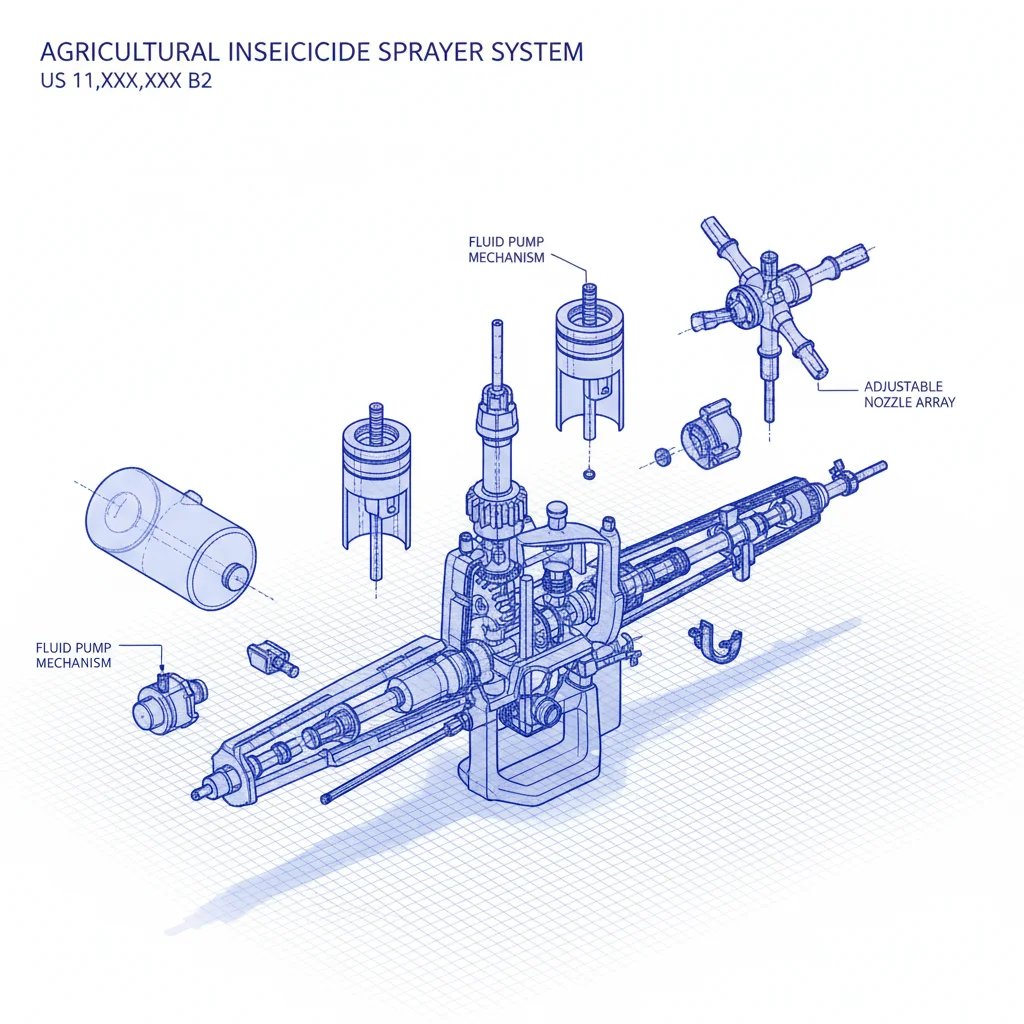
The most effective method is directional spraying on the weed stems and leaves. Since the product is a contact herbicide, it must physically touch the target foliage to be effective. Directional spraying minimizes drift, protects the primary crops, and ensures the chemical is applied precisely where it is needed for maximum kill efficiency.
Conclusion
The integration of high-efficacy organic phosphorus herbicides into modern agricultural and industrial land management marks a significant shift toward more precise and sustainable weed control. By utilizing glutamine inhibitors that provide broad-spectrum contact action without leaving harmful residues, land managers can protect orchards, vineyards, and industrial zones with unprecedented efficiency. The combination of FAO-standard packaging and professional registrations like GLP and ICAMA ensures that these powerful tools are delivered safely and legally across the globe.
As we move toward a future of precision farming, the collaboration between agriculturalists and expert plant growth regulator manufacturers will be the cornerstone of food security and environmental stewardship. Investing in high-purity, certified chemical solutions not only optimizes current yields but also preserves the health of our soil for future generations. For more information on high-performance agrochemical solutions, visit our website: www.hbjrain.com.