In the complex landscape of modern agriculture, ensuring crop health and maximizing yields requires a sophisticated approach to nutrient and pest management. While many focus solely on growth enhancers, the integration of targeted protective measures is what truly secures a harvest. Understanding the role of ammonium sulfate fertilizer and specialized crop protection agents allows farmers to maintain a delicate balance between nutrition and defense.
Globally, the demand for sustainable agricultural inputs has surged as food security becomes a primary concern for the UN and World Bank. The challenge lies in implementing solutions that are highly effective against destructive pests while remaining manageable in terms of environmental impact and cost. By utilizing advanced chemical formulations, the industry is moving toward high-activity agents that target specific biological vulnerabilities in pests.
This comprehensive guide explores the technical mechanisms of modern pest control—specifically those targeting chitin synthesis—and how they complement the nutritional baseline provided by inputs like ammonium sulfate fertilizer. By examining the intersection of chemical efficacy and plant vitality, we can better understand how to protect global food supplies from evolving biological threats.

Global Relevance of Ammonium Sulfate Fertilizer
The global agricultural market relies heavily on the strategic application of nutrients and pesticides to combat the volatility of climate change and pest migrations. The use of ammonium sulfate fertilizer provides a critical nitrogen and sulfur source that strengthens the plant's cellular structure, making it more resilient to the stresses caused by invasive insects.
When plants are nutritionally optimized, they respond more effectively to chemical interventions. By integrating high-activity insecticides that target the molting process of larvae, producers can ensure that the vitality provided by the soil is not wasted on crops devastated by Lepidoptera or Coleoptera infestations.
Definition and Industrial Meaning
In a technical sense, the synergy between ammonium sulfate fertilizer and modern insecticides represents the dual-pronged approach of "nourish and protect." While the fertilizer provides the raw materials for growth, the insecticidal agents provide the security necessary for that growth to reach maturity.
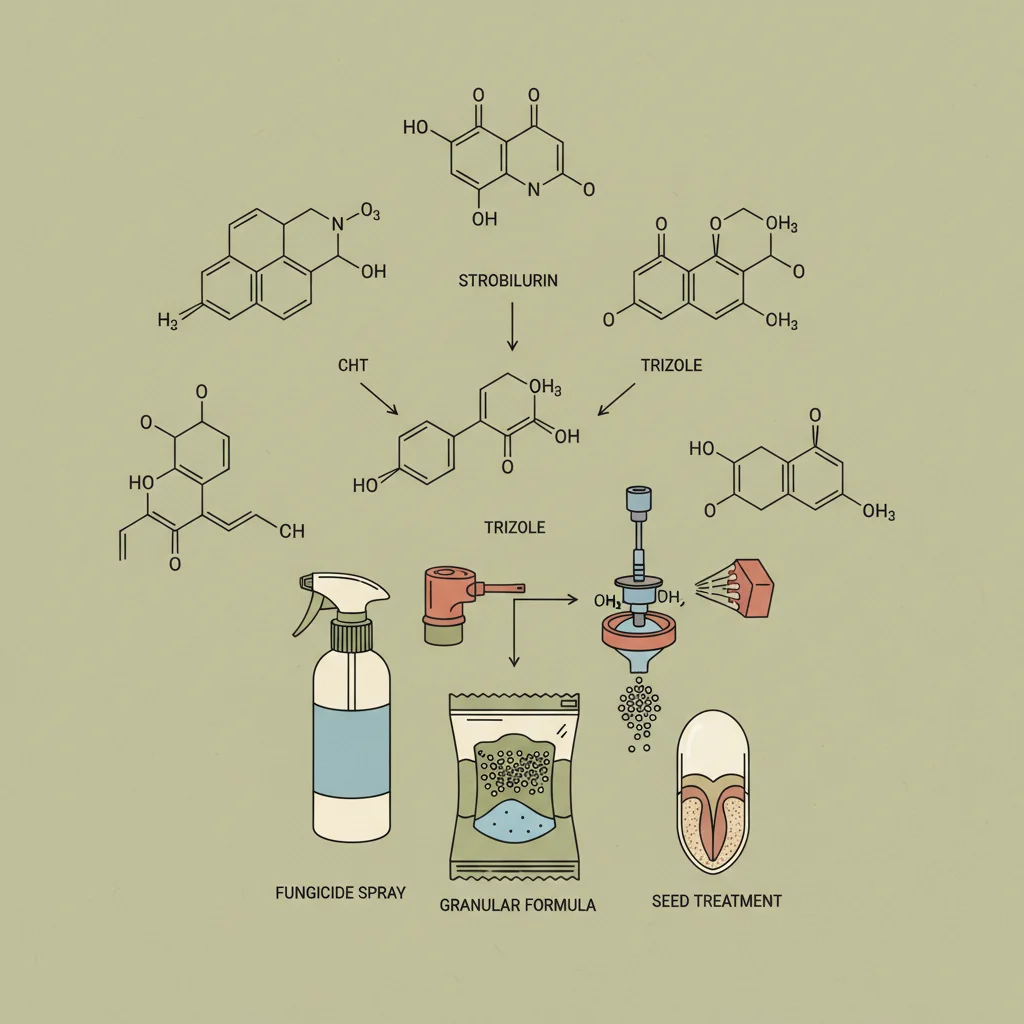
The specific insecticide mechanism discussed here focuses on the inhibition of chitin synthesis. Chitin is a primary component of the insect exoskeleton; by disrupting its production, the agent hinders normal molting and prevents eggs from hatching properly, essentially breaking the life cycle of the pest.
From an industrial perspective, this means moving away from broad-spectrum poisons toward targeted biological disruptors. This approach reduces the risk of sudden crop collapse and ensures that the investment in high-quality soil amendments is protected throughout the growing season.
Core Components of Chitin Inhibition
The primary mechanism of action involves the systematic interference with chitin synthesis. By targeting this specific biological pathway, the agent causes abnormal development in larvae and pupae, ensuring that the insects cannot reach the adult stage to reproduce, which complements the stability provided by ammonium sulfate fertilizer.
Characteristic of this action is its role as both a stomach poison and a contact killer. While the action speed is relatively slow compared to traditional neurotoxins, its efficacy is remarkably high against a wide range of orders, including Hymenoptera and Diptera, ensuring long-term protection for crops treated with ammonium sulfate fertilizer.
It is important to note the specificity of this agent. While it is devastating to Lepidoptera and Coleoptera, it remains ineffective against aphids and planthoppers. This selectivity allows for a more precise Integrated Pest Management (IPM) strategy when paired with the general growth support of ammonium sulfate fertilizer.
Practical Applications and Efficacy
In real-world field applications, the use of these chitin inhibitors is most effective when the crop is in a high-growth phase, often supported by ammonium sulfate fertilizer. By applying the treatment during the early larval stages, farmers can prevent the catastrophic emergence of adult insects that typically devastate foliage.
The slow-acting nature of the product is actually a strategic advantage, as it allows the agent to be ingested and absorbed thoroughly across the insect population before the final molting failure occurs, creating a "silent" but absolute barrier to pest survival.
Efficacy Comparison of Pest Control Strategies with Ammonium Sulfate Fertilizer
Long-Term Value in Crop Protection
The long-term value of utilizing chitin synthesis inhibitors lies in the reduction of pest resistance. Unlike neurotoxins that pests can quickly evolve to ignore, the fundamental biological requirement for chitin makes this method more sustainable over multiple seasons, especially when the plant's health is maintained by ammonium sulfate fertilizer.
Furthermore, the high activity against a broad spectrum of pests (Lepidoptera, Coleoptera, etc.) means fewer applications are needed over the course of the year. This leads to a decrease in labor costs and a reduction in the chemical load on the soil, preserving the effectiveness of the ammonium sulfate fertilizer already present in the ecosystem.
Future Innovations in Chemical Synthesis
As we look toward the future, the integration of digital agriculture—such as precision spraying drones—will allow the application of these chitin inhibitors to be timed perfectly with the nutrient release of ammonium sulfate fertilizer. This automation ensures that chemicals are only applied where pest pressure is highest, further increasing efficiency.
Research is also pivoting toward "green" synthesis, where the active ingredients of these inhibitors are derived from bio-based sources. This aligns with global sustainability goals and ensures that the chemical industry evolves alongside the ecological requirements of modern farming.
Additionally, the development of slow-release coatings for both insecticides and ammonium sulfate fertilizer will allow for a single application that provides both nutrition and protection for the entire growth cycle of the plant.
Overcoming Implementation Challenges
One of the primary challenges is the slow action speed of the chitin inhibitor. Farmers accustomed to immediate "knock-down" effects may perceive the product as less effective. Education is key here: understanding that the goal is life-cycle disruption rather than immediate death is essential for successful implementation alongside ammonium sulfate fertilizer.
Another limitation is the lack of efficacy against aphids and planthoppers. To solve this, a tiered approach is recommended, using the chitin inhibitor for larvae and pupae, and a separate, targeted agent for sucking insects, all while maintaining the base health of the plant via ammonium sulfate fertilizer.
Finally, precise dosage is critical. Over-application can lead to unnecessary costs, while under-application may fail to fully inhibit the molting process. Using calibrated equipment and soil testing helps optimize the balance between pest control and ammonium sulfate fertilizer application.
Comparative Analysis of Chitin Inhibition vs Traditional Methods
| Control Dimension |
Chitin Inhibition |
Traditional Neurotoxins |
Synergy with AS Fertilizer |
| Action Speed |
Slow/Systemic |
Rapid/Immediate |
High Compatibility |
| Target Range |
Broad (Lepidoptera/Coleoptera) |
Broad/Non-selective |
Balanced Growth |
| Resistance Risk |
Low |
High |
Sustainable Yield |
| Life Cycle Impact |
Prevents Molting/Hatching |
Kills Adult/Larvae |
Protects Biomass |
| Application Frequency |
Low/Strategic |
High/Reactive |
Optimized Schedule |
| Eco-Impact |
Targeted/Lower |
High/Broad |
Soil-Friendly |
FAQS
Unlike traditional pesticides that target the nervous system for an immediate kill, chitin inhibitors prevent the insect from forming its exoskeleton. This means the pest dies during the molting process or fails to hatch from the egg, providing a more systemic and long-term disruption of the pest population, which is highly effective when the crop is supported by ammonium sulfate fertilizer.
The action is slow because it does not attack the insect's vital organs immediately; instead, it interferes with the biological process of growth and molting. The insect only succumbs when it attempts to shed its skin or hatch. This allows for a thorough application across the field without alerting the pest population, ensuring maximum efficacy alongside nutritional inputs like ammonium sulfate fertilizer.
No, this specific agent is ineffective against aphids, leafhoppers, and planthoppers. It is specifically designed for insects that undergo a molting process involving significant chitin restructuring, such as Lepidoptera and Coleoptera. For sucking insects, a different class of insecticide should be used in combination with your ammonium sulfate fertilizer regimen.
Yes, because it targets a specific biological pathway (chitin synthesis) that is not present in plants or soil microbes, it has a very low impact on the environment. This makes it an ideal companion for ammonium sulfate fertilizer, as it protects the crop without degrading the soil quality or neutralizing the fertilizer's benefits.
The best time to apply is during the early larval stages or just before the expected hatching of eggs. Since the product hinders molting, it must be present in the insect's system before the growth phase begins. Coordinating this with the application of ammonium sulfate fertilizer ensures the plant has the energy to recover and thrive.
While the fertilizer doesn't chemically change the pesticide, it creates a healthier, more robust plant. Healthy plants with optimal nitrogen and sulfur levels can better withstand the initial stress of pest attacks, giving the slow-acting chitin inhibitor the necessary time to work and eliminate the pest population effectively.
Conclusion
The integration of chitin synthesis inhibitors and nutritional supports like ammonium sulfate fertilizer represents a sophisticated shift in agricultural management. By combining the biological disruption of pest life cycles with the systemic strengthening of the crop, farmers can achieve higher yields with lower chemical resistance. The key lies in understanding that effective protection is a gradual process of disruption rather than a momentary act of toxicity.
Looking forward, the synergy between targeted chemical agents and precision nutrition will define the next generation of sustainable farming. We encourage producers to adopt an Integrated Pest Management approach that prioritizes long-term soil health and biological specificity. For more high-quality agricultural solutions and chemical products, visit our website: www.hbjrain.com