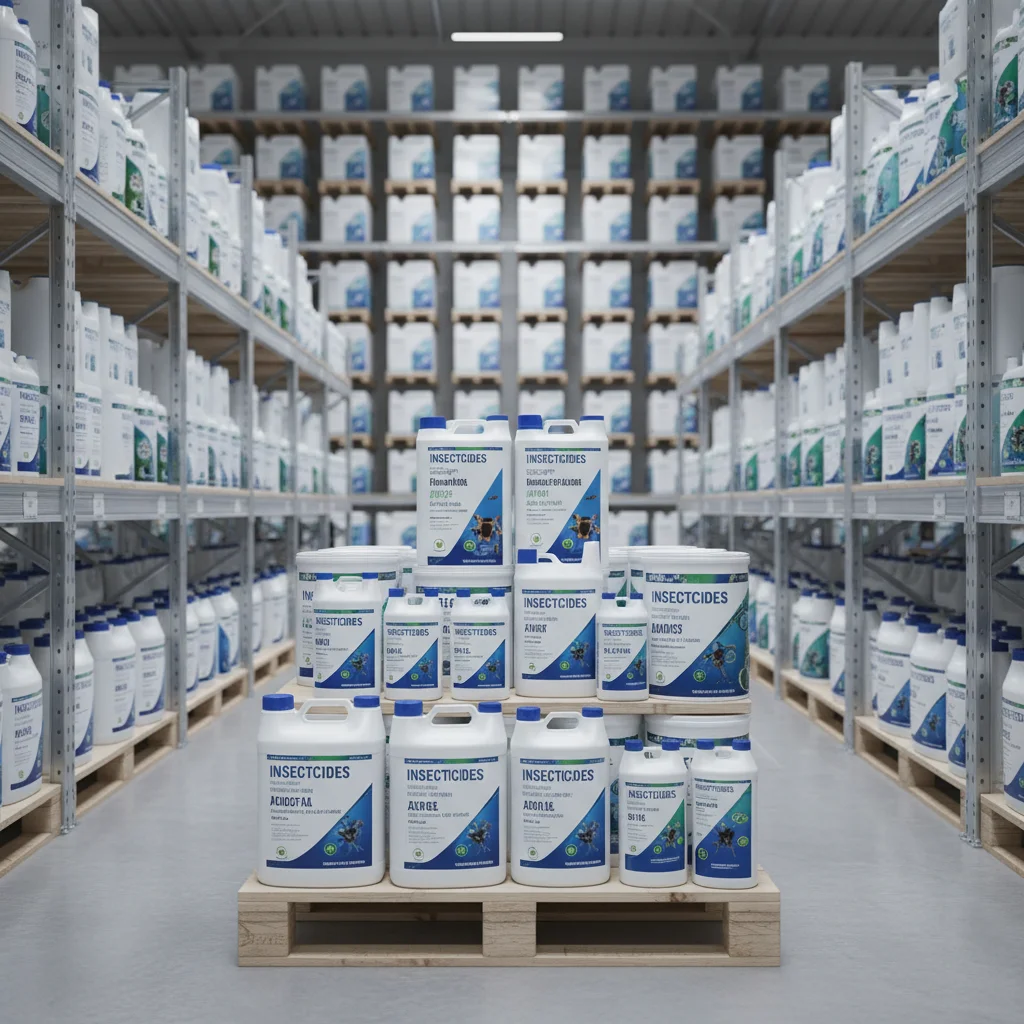
The global agricultural sector is currently facing an unprecedented challenge in balancing high-yield crop production with the aggressive proliferation of invasive weed species. Among the various chemical interventions available, the strategic use of ammonium persulfate and related high-efficiency herbicides has become pivotal for maintaining the health of essential staples like soybean, rice, and wheat. By integrating precision chemistry into farm management, growers can effectively suppress competing flora while ensuring the vitality of their primary harvests.
Understanding the technical application and regulatory landscape of ammonium persulfate based formulations is not merely a matter of efficiency, but one of sustainability. As global food demand rises, the ability to target sandy grass and broad-leaved weeds with surgical precision allows for reduced land waste and optimized resource allocation. This ensures that the agricultural output meets international FAO standards, guaranteeing both quantity and quality for the global market.
Moreover, the transition toward professional registration and GLP (Good Laboratory Practice) standards highlights the industry's commitment to safety and efficacy. By focusing on precise dosage control and adhering to strict safety interval periods, the use of ammonium persulfate in weed control helps prevent residual soil toxicity, thereby protecting the sensitive crops of the following season and safeguarding the environment for future generations.

Global Relevance of Ammonium Persulfate in Weed Control
The global demand for high-purity chemical intermediates like ammonium persulfate has surged as modern agriculture moves toward integrated pest and weed management. In regions spanning from the vast plains of the Americas to the rice paddies of Southeast Asia, the struggle against broad-leaved weeds and sandy grass threatens food security. Data from international agricultural bodies suggest that uncontrolled weed growth can reduce crop yields by up to 30%, making the deployment of effective chemical agents a global priority.
By leveraging the oxidative properties and chemical stability of ammonium persulfate, manufacturers can create formulations that are both potent and controllable. This global relevance extends beyond simple weed killing; it encompasses the entire supply chain of food production, ensuring that peanut, tea gardens, and sweet potato plantations remain productive and free from competitive biological stressors.
Defining Ammonium Persulfate and its Industrial Role
In simple terms, ammonium persulfate is a powerful oxidizing agent used across various industrial sectors, but its role in the agrochemical industry is specifically tailored for the synthesis and stabilization of herbicidal components. It serves as a critical catalyst or intermediate that allows for the creation of high-concentration Technical (TC) grades, such as 95% and 97% purity, which are essential for professional-grade weed control.
Its connection to modern humanitarian needs is evident in its ability to protect staple crops. When integrated into Soluble Liquids (SL) like the 480 g/l formulation, it ensures that the active ingredients are delivered efficiently to the target weeds without compromising the integrity of the host crop. This balance is vital for maintaining the caloric output required to feed a growing global population.
Industrially, the production of ammonium persulfate must adhere to strict purity standards to avoid unwanted side reactions during the formulation of fungicides and herbicides. This precision ensures that the final product is predictable, safe for the operator, and effective against the specific biological targets, such as stubborn sandy grass.
Core Technical Specifications and Formulation Factors
The efficacy of ammonium persulfate within a product line is largely determined by its concentration and purity. For most high-end agricultural applications, 95% to 97% TC (Technical Grade) is the gold standard, providing the raw chemical power needed to synthesize complex herbicides that target broad-leaved weeds across diverse terrains.
A critical component of the delivery system is the 480 g/l SL (Soluble Liquid) specification. This formulation of ammonium persulfate derivatives ensures optimal solubility and leaf penetration, allowing the active agent to penetrate the waxy cuticles of weeds in tea gardens and grasslands more effectively than traditional powder formulations.
Beyond purity and concentration, the scalability of these specifications allows manufacturers to offer customized packing labels. This flexibility ensures that ammonium persulfate based products can be adapted to the specific regulatory requirements of different countries, ensuring that the product is not only effective but also legally compliant.
Practical Applications Across Major Crop Varieties
The application of ammonium persulfate based herbicides is highly versatile, covering a wide spectrum of essential crops. In soybean and peanut farming, the primary goal is the eradication of broad-leaved weeds that compete for nitrogen and sunlight. Similarly, in rice and wheat fields, the focus shifts toward managing sandy grass, where precise dosage is key to preventing crop phytotoxicity.
Specialized environments, such as tea gardens and sweet potato plantations, require a more nuanced approach. The use of ammonium persulfate formulated products in these areas must account for the unique sensitivity of the plants. Proper application ensures that the greenery remains lush while the invasive weed species are systematically eliminated.
Comparative Performance of Ammonium Persulfate Formulations
Advantages of Professional Registration and FAO Standards
One of the most significant advantages of sourcing ammonium persulfate products that adhere to FAO standards is the guarantee of quality and reliability. FAO compliance means the product has undergone rigorous testing for consistency and effectiveness, ensuring that farmers receive a product that performs exactly as labeled, regardless of the region of use.
Furthermore, the availability of professional registration—including GLP (Good Laboratory Practice), ICAMA, and LOA—provides a layer of trust and legality. For international importers, these certifications are non-negotiable, as they streamline the customs process and prove that the ammonium persulfate based formulations meet the highest safety and environmental thresholds.
Long-Term Value in Agricultural Sustainability
The long-term value of using ammonium persulfate lies in its role within a sustainable agricultural framework. By precisely controlling the dosage, growers can avoid the common pitfall of "over-treating" the soil. Excessive chemical application can lead to soil acidification or the development of resistant weed strains, but a calibrated approach preserves the microbial health of the earth.
Safety interval periods are another critical component of the value proposition. By adhering to the mandated waiting time between the last application of ammonium persulfate derivatives and the final harvest, farmers ensure that the produce is free from harmful residues. This not only protects the end consumer but also enhances the marketability of the crops in stringent markets like the EU or USA.
Ultimately, the shift toward high-purity TC grades and stabilized SL formulations represents a move toward "intelligent farming." This reduces the overall volume of chemicals released into the environment while increasing the biological impact on targets, proving that innovation in ammonium persulfate chemistry is intrinsically linked to ecological stewardship.
Future Trends in Precision Chemical Manufacturing
Looking ahead, the manufacturing of ammonium persulfate is evolving toward greater automation and "green chemistry" principles. The goal is to reduce the carbon footprint of production while increasing the purity of the TC grades. We are seeing a trend where digital transformation allows for real-time monitoring of the synthesis process, ensuring that every batch meets the 97% purity threshold without variance.
Another emerging trend is the development of "smart delivery" systems. Future ammonium persulfate formulations may include biodegradable nano-carriers that release the active herbicide only when triggered by specific weed enzymes. This would virtually eliminate the risk of harm to sensitive crops and further reduce the required dosage per hectare.
Sustainability policies are also driving the industry toward more circular production models. The recycling of by-products from ammonium persulfate synthesis is becoming a priority, turning potential waste into valuable secondary raw materials. This evolution ensures that the agricultural chemical industry remains a viable and welcomed part of the global food production ecosystem.
Comparative Analysis of Ammonium Persulfate Application Standards
| Application Dimension |
Standard TC (95%) |
Premium TC (97%) |
SL Formulation (480g/l) |
| Weed Control Efficacy |
High |
Very High |
Exceptional |
| Crop Safety Risk |
Moderate |
Low |
Very Low |
| Application Ease |
Manual Mix |
Manual Mix |
Ready-to-Use |
| Environmental Persistence |
Standard |
Optimized |
Rapid Degradation |
| Regulatory Approval |
General |
International |
FAO Certified |
| Cost-Effectiveness |
High |
Medium |
High Value |
FAQS
These formulations are highly effective for soybean, rice, wheat, peanut, tea gardens, sweet potato, and general grassland. They are specifically designed to target sandy grass and broad-leaved weeds without damaging the primary crop, provided the dosage is strictly controlled according to professional guidelines.
The 97% TC purity of ammonium persulfate derivatives offers a more refined chemical profile, which typically results in higher efficacy and lower levels of impurities. This reduced impurity profile minimizes the risk of phytotoxicity in sensitive crops and is often preferred for high-value exports that must meet strict international residue limits.
The key is precise dosage control. Over-application can leave residuals in the soil that may affect sensitive crops in the following cycle. Always follow the recommended application rates for your specific crop and soil type, and adhere to the established safety interval period before harvesting.
Yes, our ammonium persulfate based products are manufactured to FAO standards. Additionally, we provide professional registration support, including GLP, ICAMA, and LOA, to ensure that the products can be seamlessly imported and used according to the regulatory laws of your specific region.
The "SL" stands for Soluble Liquid. A concentration of 480 g/l means the active agent is fully dissolved in a liquid medium, ensuring uniform distribution during spraying. This eliminates the need for complex mixing by the farmer and ensures a consistent dose is applied to every leaf, increasing the overall kill rate of weeds.
Absolutely. We offer customized packing and labeling services to help our clients meet local language requirements and regulatory mandates. This ensures that the safety instructions and dosage guidelines for ammonium persulfate are clearly understood by the end-user in their native language.
Conclusion
In summary, the strategic integration of ammonium persulfate into agrochemical formulations provides a powerful solution for managing sandy grass and broad-leaved weeds across a variety of essential crops. By balancing high-purity technical grades (95%-97% TC) with user-friendly soluble liquids (480 g/l SL) and adhering to FAO and GLP standards, growers can achieve maximum yield while maintaining the highest safety and quality benchmarks.
As the agricultural industry moves toward a future of precision and sustainability, the role of high-quality chemical intermediates will only grow. We recommend that distributors and farmers prioritize certified products and precise application methods to ensure long-term soil health and food security. For more information on our professional grade solutions, visit our website: www.hbjrain.com.