Advanced Crop Growth Solutions with Uniconazole for Angola Agriculture

Empowering Angolan farmers with high-efficiency plant growth regulators and comprehensive regulatory support to maximize yield in tropical climates.

Advanced Crop Growth Solutions with Uniconazole for Angola Agriculture

Providing a strategic integration of growth regulators and professional Registration Support to ensure agricultural sustainability and productivity across Angola's diverse ecological zones.

Agricultural Chemical Landscape in Angola

Analyzing the intersection of tropical agronomy and regulatory compliance in the Angolan market.

Angola's agricultural sector is currently transitioning from subsistence farming to commercial agribusiness. The unique tropical climate, characterized by high humidity and distinct rainy seasons, makes crops susceptible to fungal pathogens and uncontrolled vegetative growth, increasing the demand for precise regulators like Uniconazole to optimize plant architecture.

However, the market faces significant hurdles regarding product certification. Local distributors often struggle with the complexities of importing high-grade chemicals due to a lack of standardized GLP Report documentation, which is essential for proving safety and efficacy to Angolan regulatory bodies.

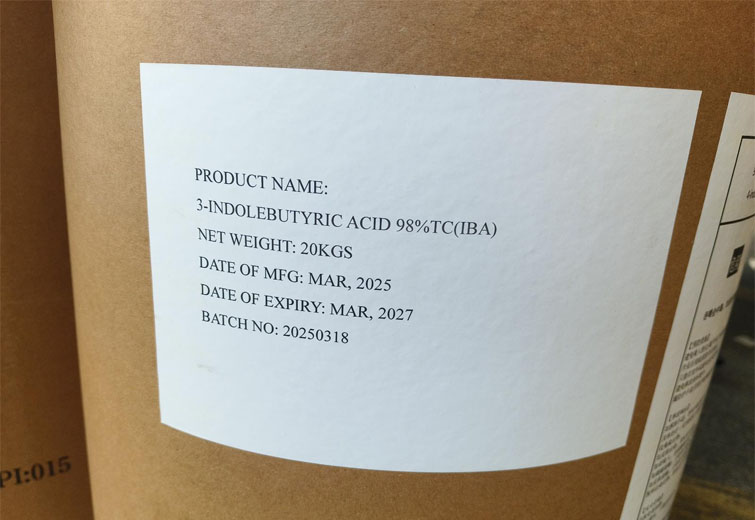
Furthermore, the push for diversifying the economy away from oil has led to an increased interest in high-value cash crops. This shift requires a sophisticated approach to plant physiology, utilizing agents such as Indole-3-butyric acid to improve rooting and transplant success in challenging soil conditions.
Evolution of Plant Growth Regulators in Angola

From traditional methods to precision chemical application.

Market Development History

In the early 2000s, Angolan agriculture relied heavily on basic NPK fertilizers and generic pesticides with minimal focus on growth regulation. The approach was reactive rather than preventive, leading to suboptimal yields in coffee and maize plantations.

Between 2010 and 2020, there was a noticeable shift toward specialized hormones. The introduction of Thidiazuron began to transform cotton and ornamental plant management, allowing farmers to control defoliation and leaf senescence more effectively.

Entering the current decade, the focus has shifted toward "Compliance-Driven Growth." The requirement for stringent GLP Report data has forced the market to move away from unbranded generics toward certified, high-purity technical materials.

Future Development Trends

Digital Integration of Application

Integrating precision dosing of growth regulators with drone technology to reduce chemical runoff in the Kwanza river basin.

Bio-Stimulant Hybridization

Combining synthetic regulators like Indole-3-butyric acid with organic bio-stimulants to enhance soil health and root penetration.

Strict Regulatory Alignment

A trend toward aligning Angolan import standards with international FAO guidelines, making professional Registration Support a mandatory prerequisite for market entry.

Industry Trends and Future Outlook

Strategic forecasting for the agrochemical sector in Angola.

Regulatory Acceleration
Increased reliance on Registration Support to navigate the evolving Angolan Ministry of Agriculture guidelines.
Growth Optimization
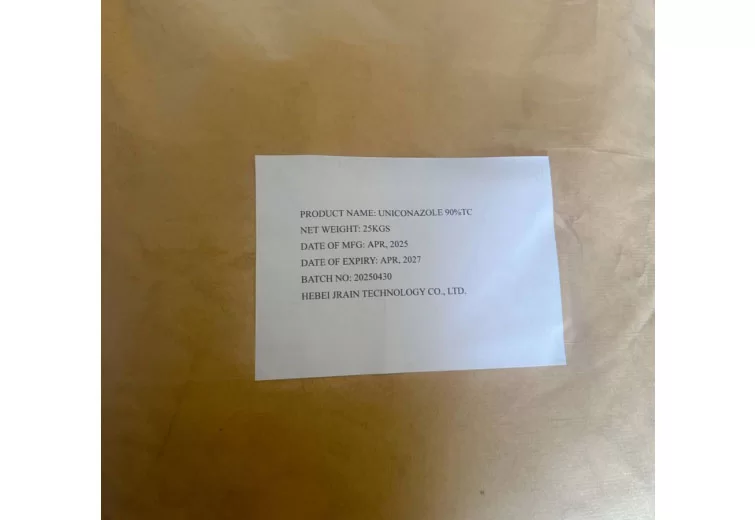
Widespread adoption of Uniconazole for controlling lodging in cereal crops.
Data-Driven Safety
The transition to exclusively using GLP Report verified materials to meet export quality standards.
Root Architecture
Using Indole-3-butyric acid to enhance drought resistance in arid regions of Angola.

Industry Outlook

Over the next 3-5 years, Google search trends in the African region indicate a sharp rise in queries related to "Sustainable Pesticide Registration" and "High-Yield Plant Growth Hormones." This suggests that the Angolan market is moving toward a more scientific, regulated approach to chemical usage.

We anticipate that the integration of Thidiazuron and similar regulators will become standard in commercial cotton and soy farming to optimize harvest timing and reduce labor costs through controlled defoliation.

Localized Application Scenarios in Angola

Real-world implementations of growth regulators across Angolan provinces.

1. Maize Lodging Control in Huambo Province

Applying Uniconazole to reduce stem elongation in maize crops, preventing lodging during the heavy rains of the central highlands.

2. Coffee Rooting Enhancement in Uíge

Utilizing Indole-3-butyric acid in coffee nursery cuttings to ensure rapid root development and higher survival rates during transplanting.

3. Cotton Defoliation in Benguela

Implementing Thidiazuron to synchronize leaf drop in commercial cotton fields, allowing for mechanical harvesting and reducing fiber contamination.

4. Regulatory Compliance for New Imports

Leveraging professional Registration Support to fast-track the approval of new fungicide-regulator blends in Luanda's customs terminals.

5. Technical Validation via GLP Standards

Using a comprehensive GLP Report to validate the safety of plant regulators used in organic-transition farms targeting European export markets.

Brand Story

Global Development History of Hebei Jiarun Technology Co., Ltd.

Foundation of Excellence

Started as a specialized research lab focused on pure chemical synthesis for agricultural growth regulators.

Global Standards Adoption

Implemented rigorous GLP standards in all testing phases to ensure every product meets international safety benchmarks.

Market Expansion to Africa

Established dedicated logistics and support channels to serve emerging markets in Angola and neighboring regions.

Regulatory Leadership

Became a leader in providing comprehensive registration dossiers, bridging the gap between manufacture and field application.

Future-Proofing Agriculture

Now focusing on eco-friendly formulations that reduce environmental impact while maximizing global food security.

Complete Product Portfolio for the Angolan Market

From high-purity technicals to full registration dossiers.

Angola Agriculture FAQ

Answers to common technical and regulatory questions.

How does Registration Support help importers in Angola?

It provides the necessary technical dossiers and legal documentation required by Angolan authorities to authorize the import and sale of agrochemicals.

What is the importance of a GLP Report for plant regulators?

A GLP Report ensures that the safety and efficacy data were generated in a Good Laboratory Practice environment, which is often a prerequisite for regulatory approval in Angola.

How should Uniconazole be applied in tropical climates?

It should be applied during the early vegetative stage to effectively control stem elongation and prevent lodging, ensuring application occurs during low-wind periods to avoid drift.

Can Thidiazuron be used on multiple crop types in Angola?

Yes, it is primarily used for defoliation in cotton, but it can also be used in ornamental plant management to control growth patterns.

What is the best concentration of Indole-3-butyric acid for rooting?

The concentration varies by crop, but typically, a precision-diluted solution is used for dipping cuttings to promote rapid adventitious root formation.

Are these regulators compatible with other fertilizers?

Most are compatible, but we recommend a jar test to ensure no precipitation occurs before large-scale tank mixing in the field.

Connect With Our Experts

Looking for premium agrochemical solutions and registration guidance in Angola? Contact us today for technical consultations.

Contact Us Now

If you are interested in our products, you can choose to leave your information here, and we will be in touch with you shortly.