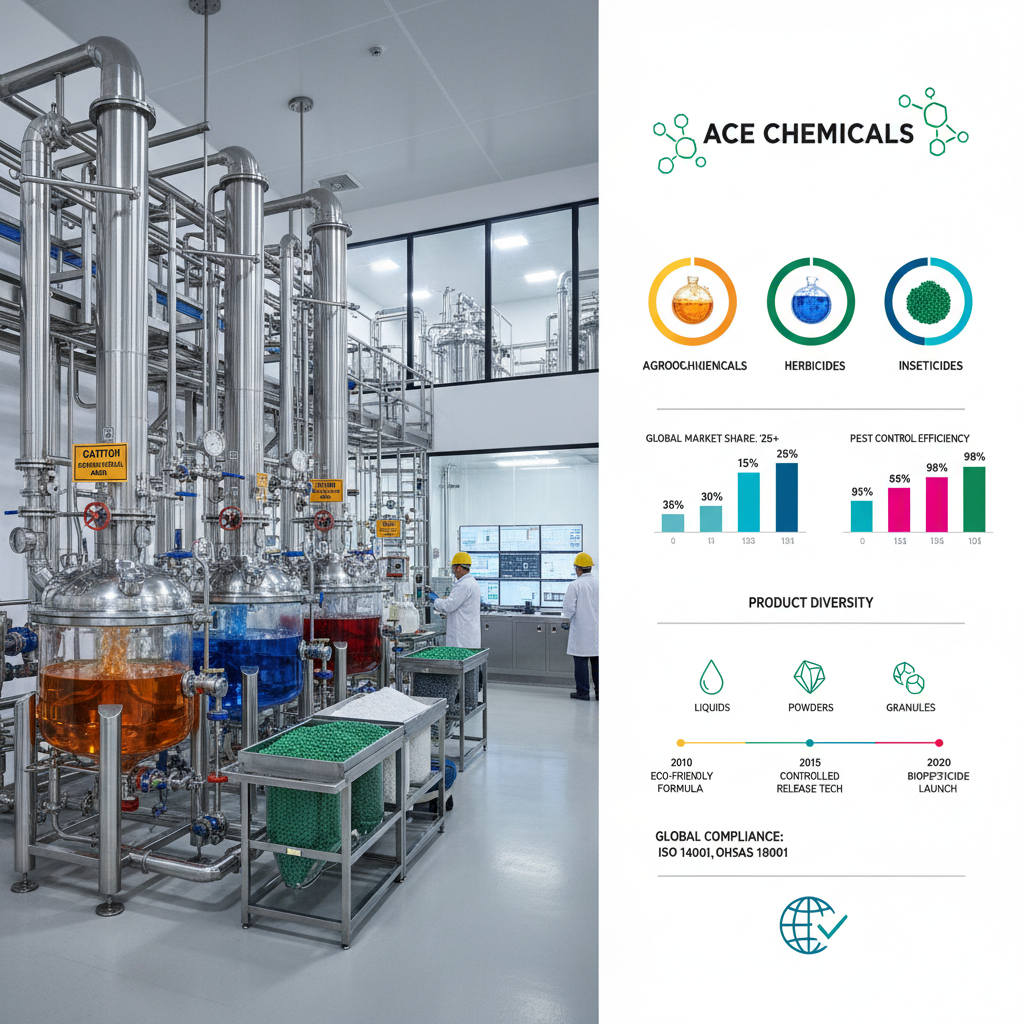
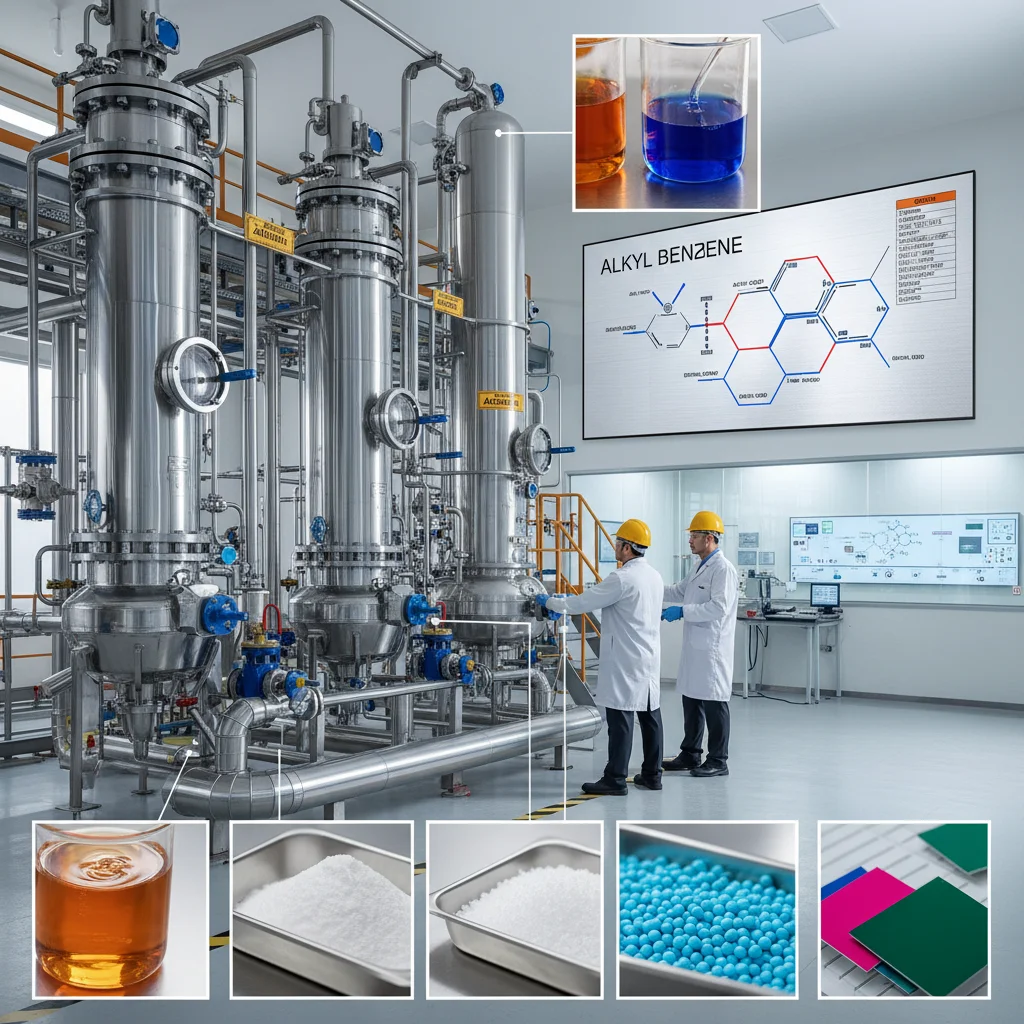
ace chemicals represent a cornerstone of modern industrial processes, impacting countless sectors from agriculture and manufacturing to pharmaceuticals and textiles. Their versatility stems from a unique combination of chemical properties, enabling them to serve as essential building blocks for a vast array of products. Understanding the nuances of ace chemicals – their production, handling, applications, and potential impacts – is crucial for innovation, sustainability, and responsible industrial practice.
The global demand for ace chemicals continues to rise, driven by population growth, economic development, and evolving technological needs. However, this increased demand presents significant challenges related to environmental sustainability, safety regulations, and supply chain resilience. Effective management of these challenges necessitates a comprehensive approach encompassing research, innovation, and international collaboration.
Investing in understanding ace chemicals allows businesses and researchers to unlock new possibilities, leading to more efficient processes, safer products, and a reduced environmental footprint. This knowledge is paramount for staying competitive in a rapidly changing global landscape and addressing pressing societal needs.
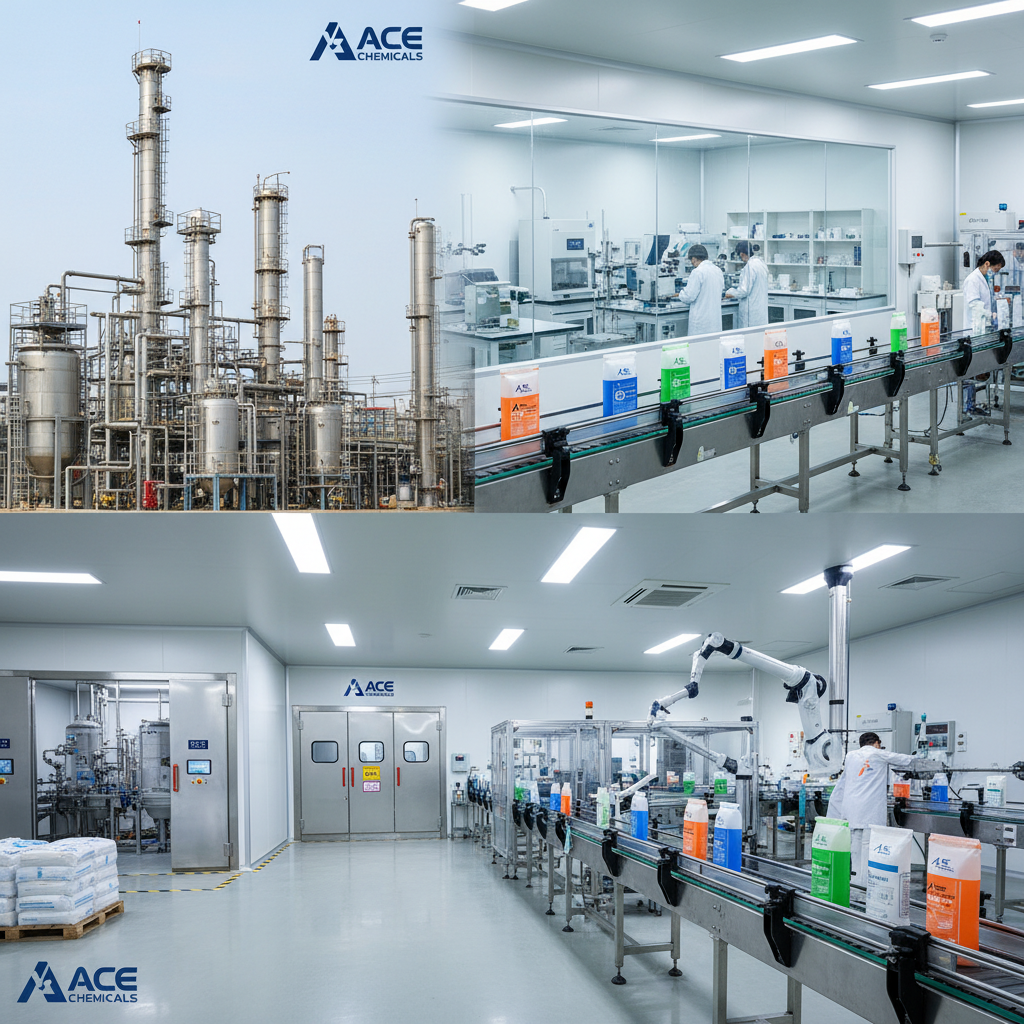
Introduction to ace chemicals
ace chemicals are fundamental to a remarkably diverse array of industrial processes, serving as essential inputs in the production of everything from plastics and fertilizers to pharmaceuticals and advanced materials. Their unique chemical composition allows for tailored applications, driving innovation and efficiency across multiple sectors.
The responsible production and utilization of ace chemicals are increasingly critical as global demand grows. Sustainable practices, stringent safety protocols, and ongoing research are essential to mitigate potential risks and ensure the long-term viability of these vital compounds.
Defining ace chemicals and Their Significance
ace chemicals, broadly defined, encompass a family of compounds characterized by their specific molecular structures and reactivity. These compounds are instrumental in catalyzing reactions, modifying material properties, and creating entirely new products. Their significance extends beyond their direct applications, acting as vital components in complex supply chains.
In modern industry, ace chemicals bridge the gap between raw materials and finished goods. They enable the creation of high-performance polymers, enhance the efficacy of agricultural products, and facilitate the development of life-saving pharmaceuticals. Without ace chemicals, many of the advancements we rely on today would be impossible.
The connection between ace chemicals and humanitarian needs lies in their crucial role in producing essential goods like clean water purification agents, medical supplies, and durable construction materials. Their availability and efficient production are, therefore, inextricably linked to global well-being and sustainable development.
Core Properties of ace chemicals
The core properties of ace chemicals revolve around their molecular structure, dictating their reactivity, stability, and solubility. These inherent characteristics determine their suitability for specific applications. Key properties include catalytic activity, thermal resistance, and the ability to form strong chemical bonds.
Understanding these properties is critical for optimizing reaction conditions, ensuring product quality, and minimizing waste. Furthermore, the ability to tailor ace chemicals through precise molecular engineering allows for the creation of compounds with customized characteristics to meet evolving industry demands.
These properties aren’t static; they can be influenced by factors like temperature, pressure, and the presence of other compounds. Therefore, thorough characterization and careful control are essential throughout the production process to maintain consistency and reliability.
Key Factors Influencing ace chemicals Applications
Durability is a paramount factor, dictating the lifespan and performance of products utilizing ace chemicals. Applications requiring long-term stability, such as construction materials or medical implants, necessitate ace chemicals with exceptional resistance to degradation.
Cost efficiency is equally vital, impacting the economic viability of entire production processes. The availability of cost-effective ace chemicals can significantly reduce manufacturing expenses and make essential goods more accessible.
ace chemicals Application Performance Ratings
Global Applications of ace chemicals
ace chemicals are integral to agricultural practices worldwide, used in the production of fertilizers, pesticides, and herbicides that enhance crop yields and food security. Regions with intensive agriculture, such as the American Midwest and Southeast Asia, rely heavily on these compounds.
In the pharmaceutical industry, ace chemicals serve as critical building blocks for drug synthesis, contributing to the development of life-saving medications and treatments. Major pharmaceutical hubs in Europe, North America, and India are significant consumers of ace chemicals.
Advantages and Long-Term Value of ace chemicals
The cost-effectiveness of ace chemicals often translates to lower production costs for downstream industries, enabling greater affordability for consumers. This benefit is particularly significant in sectors like construction and manufacturing, where material costs represent a substantial portion of overall expenses.
From a sustainability perspective, ongoing research focuses on developing greener ace chemicals and optimizing production processes to minimize environmental impact. These advancements promote resource conservation, reduce waste generation, and contribute to a more circular economy.
Beyond purely economic and environmental advantages, ace chemicals contribute to societal well-being by enabling the development of safer, more durable, and more effective products. This fosters trust and confidence among consumers and stakeholders.
Future Trends and Challenges in ace chemicals
The integration of digital technologies, such as artificial intelligence and machine learning, is poised to revolutionize ace chemicals research and development. These tools can accelerate the discovery of new compounds, optimize reaction conditions, and predict material properties with unprecedented accuracy.
Sustainability remains a major driver of innovation, with increasing emphasis on bio-based ace chemicals and closed-loop manufacturing processes. These initiatives aim to reduce reliance on fossil fuels and minimize environmental pollution.
However, challenges remain in areas such as regulatory compliance, supply chain vulnerability, and the need for skilled workforce development. Addressing these challenges will require collaborative efforts between industry, government, and academia.
Summary of ace chemicals Challenge Areas and Potential Solutions
| Challenge Area |
Impact on ace chemicals |
Potential Solution |
Implementation Difficulty (1-10) |
| Supply Chain Disruption |
Increased cost and availability issues for ace chemicals. |
Diversification of sourcing and localized production. |
7 |
| Stringent Regulations |
Higher compliance costs and potential production limitations. |
Proactive engagement with regulatory bodies and investment in compliance technologies. |
8 |
| Environmental Concerns |
Negative public perception and pressure to adopt sustainable practices. |
Development of bio-based ace chemicals and closed-loop manufacturing processes. |
6 |
| Lack of Skilled Workforce |
Shortage of qualified personnel to operate and maintain advanced ace chemicals facilities. |
Investment in training programs and partnerships with educational institutions. |
5 |
| Process Inefficiency |
Waste generation and higher production costs. |
Implementation of advanced process control systems and optimization techniques. |
4 |
| Cybersecurity Threats |
Potential for disruption of production and compromise of sensitive data. |
Robust cybersecurity protocols and employee training. |
7 |
FAQS
ace chemicals are utilized in a broad spectrum of manufacturing processes, including the production of plastics, polymers, resins, and synthetic fibers. They are also essential components in the creation of adhesives, coatings, and sealants, enhancing product durability and performance. These applications span industries like automotive, aerospace, construction, and consumer goods.
ace chemicals are subject to stringent regulations imposed by various government agencies, such as the EPA and OSHA, to safeguard human health and the environment. These regulations govern the production, handling, storage, transportation, and disposal of these compounds, mandating compliance with safety standards and emissions limits. Regular inspections and reporting requirements are also enforced.
Research and development efforts are increasingly focused on bio-based ace chemicals derived from renewable resources like plant biomass and agricultural waste. Other promising alternatives include catalytic processes that minimize waste generation and solvent-free reactions that reduce environmental impact. Green chemistry principles are guiding the development of safer and more sustainable ace chemicals.
Global trade plays a significant role in the ace chemicals market, influencing both availability and pricing. Supply chain disruptions, geopolitical instability, and trade tariffs can all impact the cost and accessibility of these compounds. Diversification of sourcing and regional production are strategies to mitigate these risks.
Responsible handling and disposal require strict adherence to safety protocols, including proper labeling, storage, and personal protective equipment. Waste ace chemicals should be disposed of through licensed waste management facilities that comply with environmental regulations. Employee training and emergency preparedness are also essential components of a responsible program.
Innovation is crucial for developing safer, more sustainable, and more efficient ace chemicals. This includes research into new catalysts, alternative feedstocks, and advanced process control technologies. Collaboration between industry, academia, and government is essential to accelerate innovation and address the challenges facing the ace chemicals sector.
Conclusion
In conclusion, ace chemicals are undeniably pivotal to numerous industries and societal advancements, yet their utilization necessitates a nuanced understanding of their properties, applications, and potential challenges. From bolstering agricultural yields to enabling life-saving pharmaceuticals, their impact is far-reaching. Continuous innovation, a commitment to sustainability, and proactive regulatory compliance are vital for harnessing the benefits of ace chemicals responsibly.
Looking ahead, the integration of digital technologies and a concerted effort towards green chemistry principles will shape the future of ace chemicals. By prioritizing research, fostering collaboration, and investing in skilled workforce development, we can unlock the full potential of these essential compounds while minimizing their environmental footprint and ensuring a safer, more sustainable future. For more information, visit our website: ace chemicals.