4 nitrobenzoic acid is a crucial organic compound with diverse applications across various industries, from pharmaceuticals and agrochemicals to dyes and research. Its significance stems from its unique chemical properties, serving as a vital building block in synthesizing more complex molecules. The global demand for 4 nitrobenzoic acid is steadily increasing, driven by the growth of these end-use industries, necessitating efficient and sustainable production methods. Understanding its properties, applications, and future trends is paramount for professionals involved in chemical manufacturing, research, and related fields.
The production and utilization of 4 nitrobenzoic acid present both opportunities and challenges. While it’s a versatile intermediate, its synthesis often involves harsh conditions and potentially hazardous materials. Therefore, ongoing research focuses on developing greener and more sustainable manufacturing processes. Furthermore, quality control and purity are critical considerations, particularly when used in pharmaceutical applications, demanding stringent analytical techniques. The global market is influenced by factors such as raw material costs, regulatory compliance, and technological advancements.
Ultimately, advancements in 4 nitrobenzoic acid production and application promise substantial benefits across multiple sectors. From enabling the creation of life-saving drugs to improving crop yields and developing advanced materials, the compound plays an integral, often unseen, role in modern society. Continued innovation and responsible chemical management are key to maximizing its potential while minimizing environmental impact and ensuring product safety.

Introduction to 4 nitrobenzoic acid
4 nitrobenzoic acid (PNBA) is a yellow crystalline solid with the chemical formula C7H5NO4. It’s a derivative of benzoic acid, featuring a nitro group (-NO2) at the para position. This seemingly small modification dramatically alters the compound's reactivity and properties, making it invaluable as a precursor in the synthesis of a wide range of chemicals. Its importance spans multiple disciplines, making it a subject of interest for researchers and manufacturers alike.
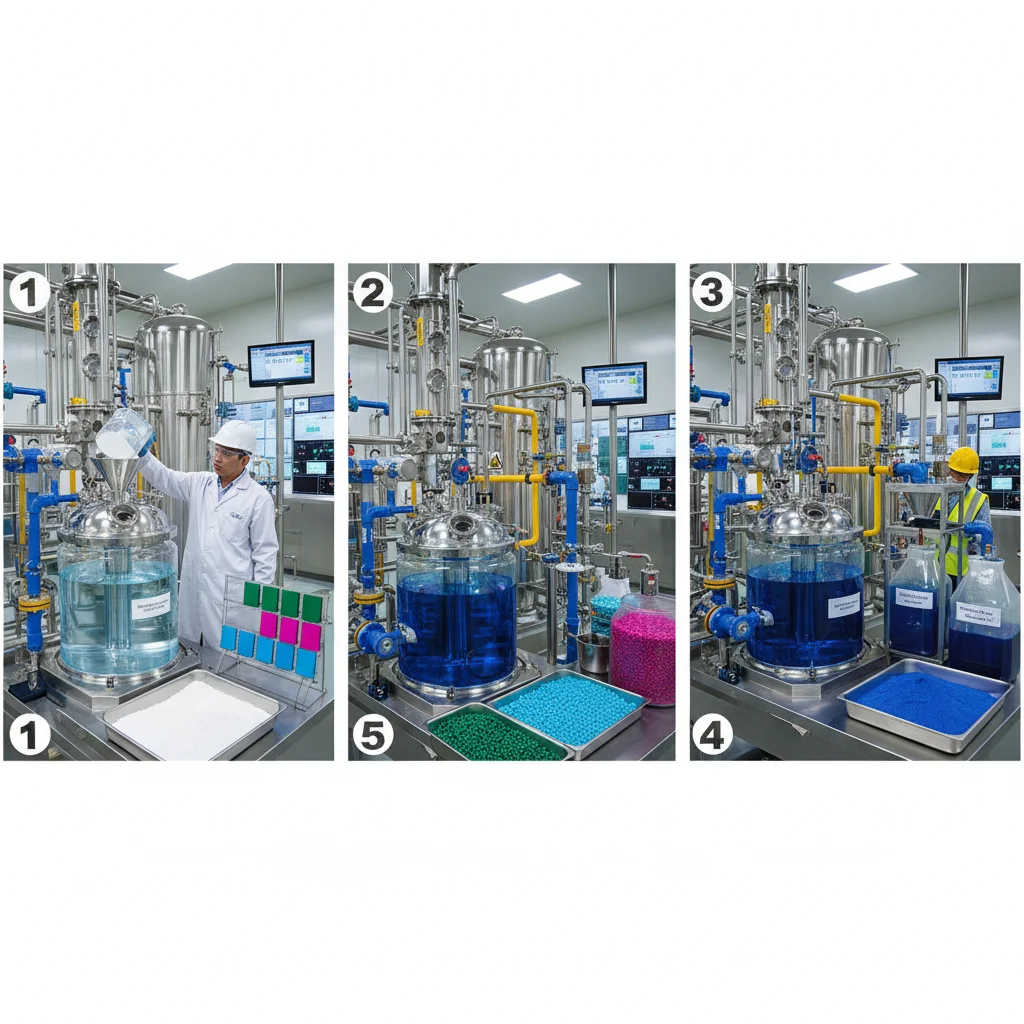
The commercial production of 4 nitrobenzoic acid often involves the nitration of benzoic acid using a mixture of nitric and sulfuric acids. Achieving high purity and minimizing byproduct formation are significant challenges in this process. Recent advances have explored alternative nitration methods, including those utilizing solid acid catalysts, to enhance selectivity and reduce environmental impact. The resulting product is carefully purified through recrystallization and other techniques to meet the stringent quality requirements of various applications.
Global Relevance and Market Overview
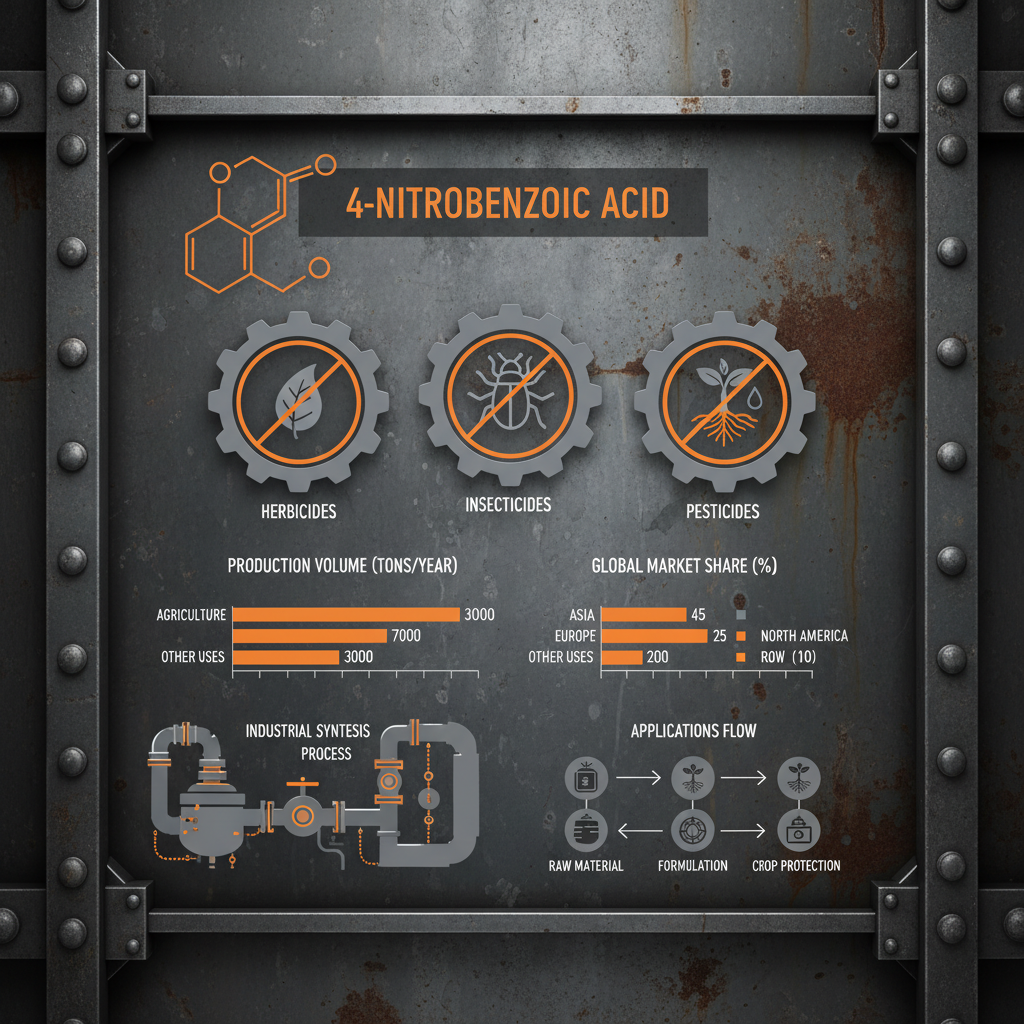
The global market for 4 nitrobenzoic acid is experiencing consistent growth, fueled by increasing demand from the pharmaceutical, agrochemical, and specialty chemical sectors. Asia-Pacific currently dominates the market, driven by the presence of major manufacturing hubs and growing end-use industries in countries like China and India. North America and Europe represent significant markets, with a focus on high-purity grades for pharmaceutical applications. According to industry reports, the market is projected to continue expanding at a Compound Annual Growth Rate (CAGR) of around 4-6% over the next decade.
Several factors influence the 4 nitrobenzoic acid market, including fluctuating raw material prices (primarily benzoic acid and nitric acid), stringent environmental regulations, and technological innovations. The increasing focus on sustainable chemistry and green manufacturing practices is driving the demand for more eco-friendly production processes. Furthermore, geopolitical factors and supply chain disruptions can impact the availability and pricing of the compound, requiring manufacturers to implement robust risk management strategies.
The United Nations Sustainable Development Goals (SDGs) also play a role, with a growing emphasis on responsible chemical production and consumption (SDG 12). Manufacturers are increasingly adopting circular economy principles to minimize waste and maximize resource efficiency in 4 nitrobenzoic acid production, contributing to a more sustainable chemical industry. The ISO 14001 standard for environmental management is widely adopted to demonstrate commitment to environmental responsibility.
Defining 4 nitrobenzoic acid: Chemical Properties
4 nitrobenzoic acid is a monocyclic aromatic compound. Its molecular weight is 167.12 g/mol, and its melting point typically falls between 236-239°C. It exhibits limited solubility in water but dissolves readily in organic solvents like ethanol, ether, and acetone. The presence of the nitro group imparts significant acidity to the molecule, making it a stronger acid than benzoic acid itself. This acidity is crucial in many of its chemical reactions.
Chemically, 4 nitrobenzoic acid undergoes typical reactions of aromatic carboxylic acids, including esterification, amidation, and salt formation. The nitro group can be reduced to an amino group, forming 4-aminobenzoic acid, a key intermediate in pharmaceutical synthesis. Furthermore, the aromatic ring can undergo electrophilic substitution reactions, providing routes to diverse derivatives. Understanding these chemical behaviors is critical for its effective use in various applications.
From a safety perspective, 4 nitrobenzoic acid is considered an irritant and should be handled with appropriate protective equipment, including gloves, goggles, and a respirator. It's classified as a hazardous substance, requiring careful storage and disposal procedures in compliance with local regulations. Material Safety Data Sheets (MSDS) provide detailed information on handling, storage, and emergency procedures.
Key Properties of 4 nitrobenzoic acid
The versatility of 4 nitrobenzoic acid stems from a combination of key properties. Firstly, its reactivity, driven by the nitro and carboxyl groups, allows for a wide range of chemical transformations. Secondly, its thermal stability enables its use in high-temperature processes. Thirdly, its crystalline structure facilitates purification and handling.
These properties translate into practical advantages. For instance, the acidity of 4 nitrobenzoic acid facilitates its use as a catalyst in certain reactions. The thermal stability makes it suitable for synthesizing materials requiring high processing temperatures. The well-defined crystal structure simplifies quality control and ensures consistent product performance.
4 nitrobenzoic acid Property Comparison
Applications Across Industries
4 nitrobenzoic acid finds extensive use as a key intermediate in the pharmaceutical industry, particularly in the synthesis of local anesthetics, anti-inflammatory drugs, and various heterocyclic compounds. It's also a crucial building block in the production of dyes and pigments, contributing to vibrant colors in textiles, plastics, and inks. In the agrochemical sector, it serves as a precursor to herbicides and plant growth regulators.
Beyond these major applications, 4 nitrobenzoic acid is employed in the synthesis of specialized chemicals, including UV absorbers, photographic chemicals, and corrosion inhibitors. It’s also utilized in research laboratories as a reagent for various organic reactions and analytical studies. The demand in developing countries is increasing due to the expansion of their manufacturing capabilities.
Advantages and Value Proposition
The primary advantage of 4 nitrobenzoic acid lies in its versatility as a chemical building block. Its unique chemical structure allows for the synthesis of a diverse range of valuable compounds. Economically, its relatively low cost compared to some alternative intermediates makes it an attractive option for manufacturers. The established supply chain ensures consistent availability and competitive pricing.
From a sustainability perspective, ongoing research focuses on developing greener production methods, reducing waste and minimizing environmental impact. Using 4 nitrobenzoic acid facilitates innovation in downstream applications, enabling the development of new and improved products. The compound's widespread use and consistent quality contribute to trust and reliability within the chemical industry.
Future Trends and Innovations in 4 nitrobenzoic acid
Future trends in 4 nitrobenzoic acid production and application center around sustainability and efficiency. Researchers are exploring biocatalytic methods for its synthesis, utilizing enzymes to achieve higher selectivity and reduce reliance on harsh chemicals. Continuous flow reactors are being investigated to enhance process control and improve product yield.
The development of novel derivatives with enhanced properties is also a key area of innovation. These derivatives could find applications in advanced materials, such as organic light-emitting diodes (OLEDs) and high-performance polymers. Digitalization and automation are playing an increasing role in optimizing production processes and improving quality control.
Furthermore, the integration of circular economy principles, such as waste valorization and byproduct utilization, will become increasingly important. Exploring alternative feedstocks and developing closed-loop systems will contribute to a more sustainable and resilient supply chain for 4 nitrobenzoic acid.
Summary of Challenges and Potential Solutions for 4 nitrobenzoic acid Production
| Challenge |
Impact on 4 nitrobenzoic acid Quality |
Potential Solution |
Implementation Cost (1-10) |
| Formation of Byproducts during Nitration |
Reduced Purity, Increased Purification Costs |
Optimization of Reaction Conditions, Use of Selective Catalysts |
6 |
| Environmental Concerns Related to Waste Disposal |
Regulatory Compliance Issues, Negative Public Perception |
Implementation of Waste Valorization Strategies, Adoption of Green Chemistry Principles |
7 |
| High Energy Consumption in Purification Processes |
Increased Production Costs, Carbon Footprint |
Use of Energy-Efficient Separation Technologies, Process Optimization |
5 |
| Fluctuations in Raw Material Prices |
Unpredictable Production Costs, Impact on Profitability |
Long-Term Supply Contracts, Diversification of Suppliers |
4 |
| Stringent Quality Control Requirements |
Increased Analytical Costs, Potential for Product Rejection |
Implementation of Advanced Analytical Techniques, Process Monitoring |
8 |
| Safety Hazards Associated with Handling Nitric Acid |
Risk of Accidents, Worker Exposure |
Improved Safety Protocols, Automation of Hazardous Processes |
9 |
FAQS
4 nitrobenzoic acid serves as a crucial intermediate in the synthesis of various pharmaceutical compounds, including local anesthetics like benzocaine and procaine, anti-inflammatory drugs, and heterocyclic molecules with diverse therapeutic applications. Its reactivity and structural features make it a valuable building block for creating complex drug structures, allowing for the development of medications targeting a wide range of health conditions.
The purity of 4 nitrobenzoic acid directly affects the quality and yield of downstream products. Impurities can interfere with chemical reactions, leading to lower yields and the formation of unwanted byproducts. In pharmaceutical applications, even trace amounts of impurities can pose safety risks and affect the efficacy of the final drug product. Therefore, high-purity 4 nitrobenzoic acid is essential for ensuring reliable and consistent results.
The traditional production of 4 nitrobenzoic acid involves the use of nitric and sulfuric acids, which can generate significant amounts of acidic waste. This waste requires careful treatment and disposal to prevent environmental pollution. Furthermore, the process can be energy-intensive. Therefore, ongoing research focuses on developing greener production methods, such as biocatalytic approaches and waste valorization strategies, to minimize environmental impact.
4 nitrobenzoic acid is classified as an irritant and should be handled with appropriate protective equipment, including gloves, goggles, and a respirator. Avoid contact with skin and eyes. In case of contact, flush thoroughly with water. Ensure adequate ventilation during handling and storage. Refer to the Material Safety Data Sheet (MSDS) for detailed safety information and emergency procedures.
The market price of 4 nitrobenzoic acid is influenced by a variety of factors, including the cost of raw materials (benzoic acid and nitric acid), production costs, supply and demand dynamics, geopolitical events, and currency exchange rates. Manufacturing capacity, regulatory compliance costs, and transportation expenses also contribute to the overall price. Market analysis reports provide insights into pricing trends and forecasts.
Emerging trends include the development of biocatalytic synthesis routes using enzymes, continuous flow reactor technologies for enhanced process control, and the utilization of alternative nitration methods with improved selectivity. Furthermore, research focuses on waste valorization strategies to convert byproducts into valuable resources, contributing to a more sustainable and circular economy approach. Digitalization and automation are also playing an increasing role in optimizing production processes.
Conclusion
In conclusion, 4 nitrobenzoic acid is a highly versatile and strategically important chemical intermediate with applications spanning pharmaceuticals, agrochemicals, and materials science. Its unique chemical properties, coupled with ongoing innovation in production methods, ensure its continued relevance in a wide range of industries. Addressing environmental concerns and embracing sustainable practices are crucial for maximizing its benefits while minimizing its impact.
Looking ahead, the future of 4 nitrobenzoic acid hinges on continued research and development of greener, more efficient, and cost-effective production processes. Exploring new applications and fostering collaboration between industry and academia will unlock its full potential. For further information or to discuss your specific needs, please visit our website at www.hbjrain.com.