0%

Table of Contents

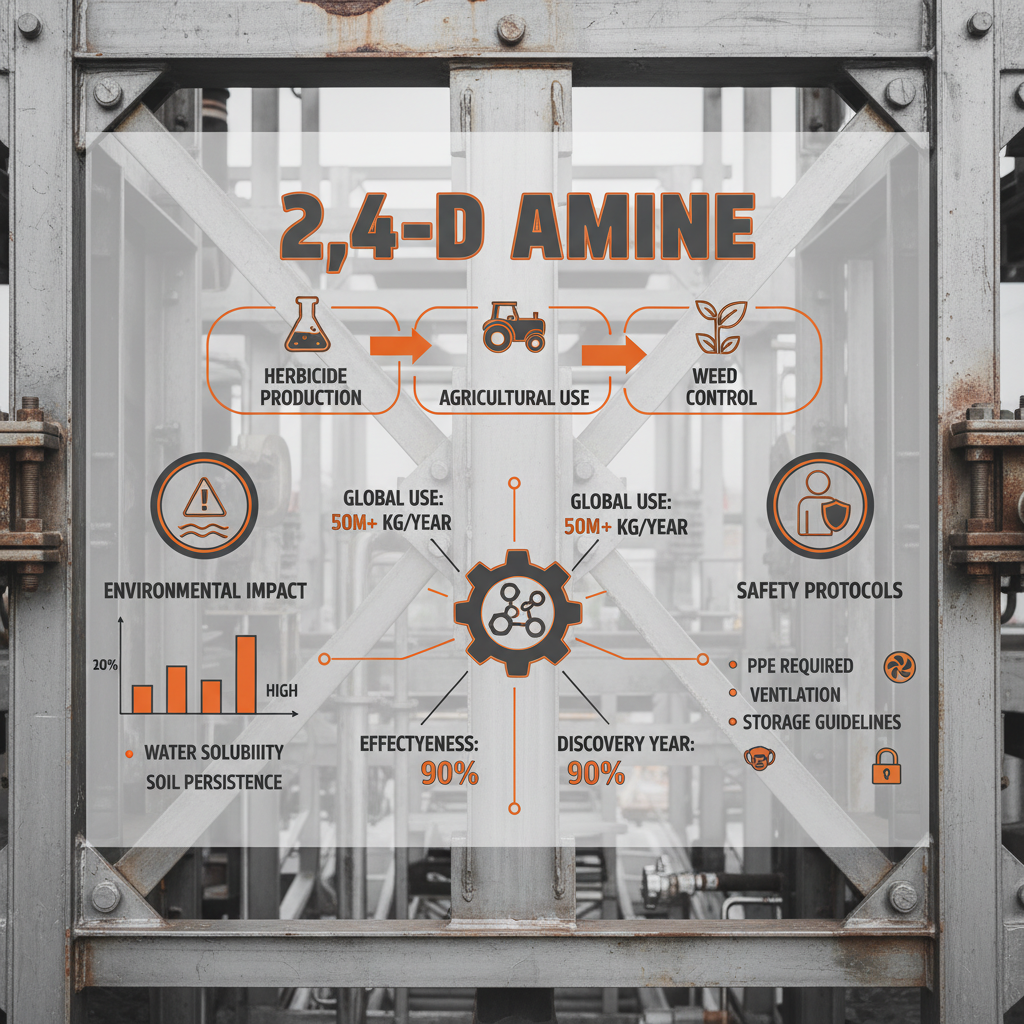
2,4-D amine, while not a commonly discussed chemical on its own, represents a crucial intermediate in the production of 2,4-Dichlorophenoxyacetic acid (2,4-D), a widely utilized systemic herbicide. Understanding the role of this precursor is essential for grasping the complexities of modern agriculture and the ongoing debate surrounding herbicide use. The efficient and safe production of 2,4-D amine directly impacts global food production, weed control strategies, and the environmental footprint of agricultural practices.

The global relevance of 2,4-D amine stems from the pervasive use of 2,4-D in controlling broadleaf weeds across various crops – from cereals and corn to sugarcane and pastures. As the world population continues to grow, the demand for increased agricultural yields necessitates effective weed management solutions, driving the continued production of 2,4-D, and consequently, its amine precursor. Organizations like the FAO and the World Bank emphasize the importance of sustainable agriculture, influencing the development of more targeted and environmentally responsible herbicide formulations.

Essentially, 2,4-D amine is a chemical building block. It’s not directly applied as a herbicide itself, but undergoes further processing to become 2,4-D. This distinction is vital; the amine form is a key step in creating a herbicide that selectively targets broadleaf weeds, playing a significant role in maintaining crop health and maximizing agricultural output. Modern industry relies on efficient production routes for this amine, impacting both cost and environmental considerations.
2 4 d amine

Introduction to 2,4-D Amine

2 4 d amine

2,4-D amine serves as a critical intermediate compound in the manufacturing of 2,4-D, a herbicide that has been instrumental in boosting agricultural yields for decades. While not an end-use product itself, its quality and efficient production directly influence the effectiveness and environmental impact of the final herbicide. The demand for 2,4-D amine is thus inextricably linked to global food security and the ongoing need for weed control.

The importance of understanding 2,4-D amine extends beyond simply recognizing its role in herbicide production. Factors like production efficiency, byproduct management, and purity standards have significant economic and environmental implications. Innovations in the production of 2,4-D amine are constantly being explored to reduce waste, minimize environmental impact, and enhance the overall sustainability of agricultural practices.

The Chemical Composition of 2,4-D Amine

2,4-D amine, chemically, refers to the amine salt of 2,4-dichlorophenoxyacetic acid. This means it's formed through the reaction of 2,4-D with ammonia or an amine. The amine salt form is often preferred because it enhances water solubility, making it easier to formulate into effective herbicide solutions. The precise amine used (e.g., dimethylamine, isopropylamine) can affect the final herbicide's properties.

The composition is crucial for controlling the final product's characteristics. The purity of the 2,4-D amine significantly impacts the effectiveness of the 2,4-D herbicide; impurities can reduce its potency or lead to undesirable side effects. Strict quality control measures are therefore essential during production to ensure a consistent and reliable product.

Understanding the molecular structure of 2,4-D amine is key to optimizing the production process and predicting its behavior in various formulations. It comprises a benzene ring substituted with two chlorine atoms and an acetic acid chain, modified with an amine group, giving it unique chemical properties impacting its reactivity and stability.

Production Processes for 2,4-D Amine

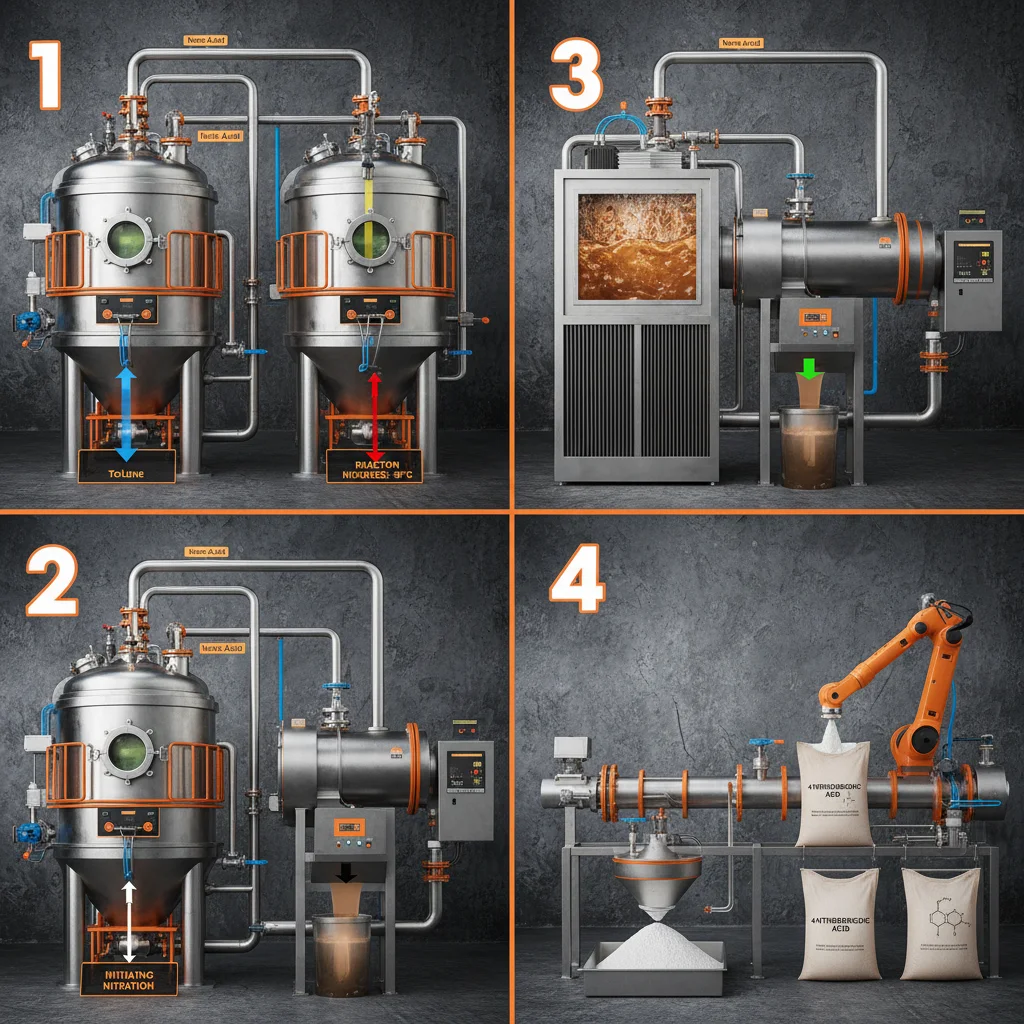
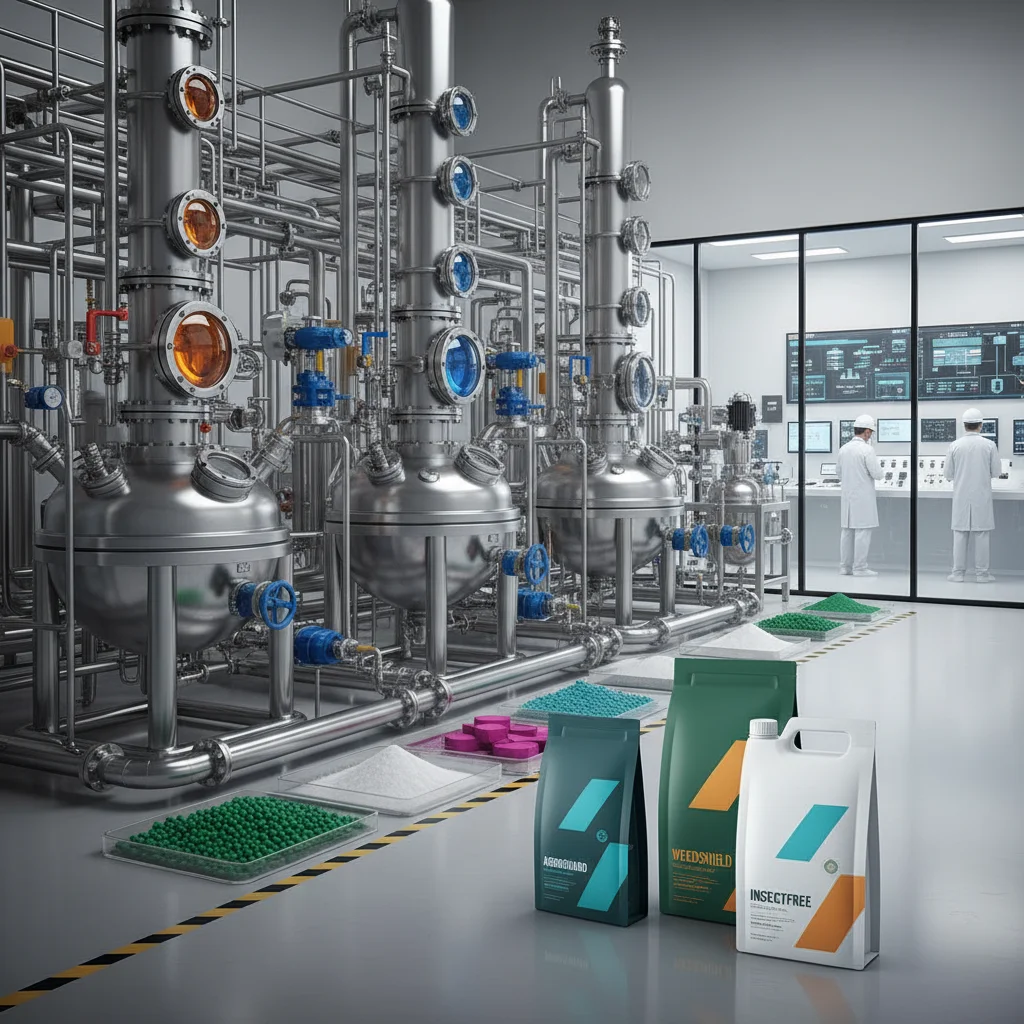
The production of 2,4-D amine generally begins with the chlorination of phenol to form 2,4-dichlorophenol. This is then reacted with monochloroacetic acid in an alkaline environment to produce 2,4-D acid. Finally, the 2,4-D acid is neutralized with ammonia or an appropriate amine to form the 2,4-D amine salt. Each stage requires precise control of temperature, pressure, and reagent ratios.

Alternative production routes are continually being researched to improve efficiency and reduce environmental impact. These include exploring catalytic processes that minimize waste and utilizing more sustainable feedstocks. Green chemistry principles are increasingly being applied to optimize the reaction conditions and minimize the formation of byproducts.

The specific production process employed by a manufacturer can influence the purity and cost of the final 2,4-D amine. Optimizing these processes is vital for maintaining competitiveness in the global market and ensuring a consistent supply of high-quality material for herbicide production.

Quality Control and Purity Standards of 2,4-D Amine

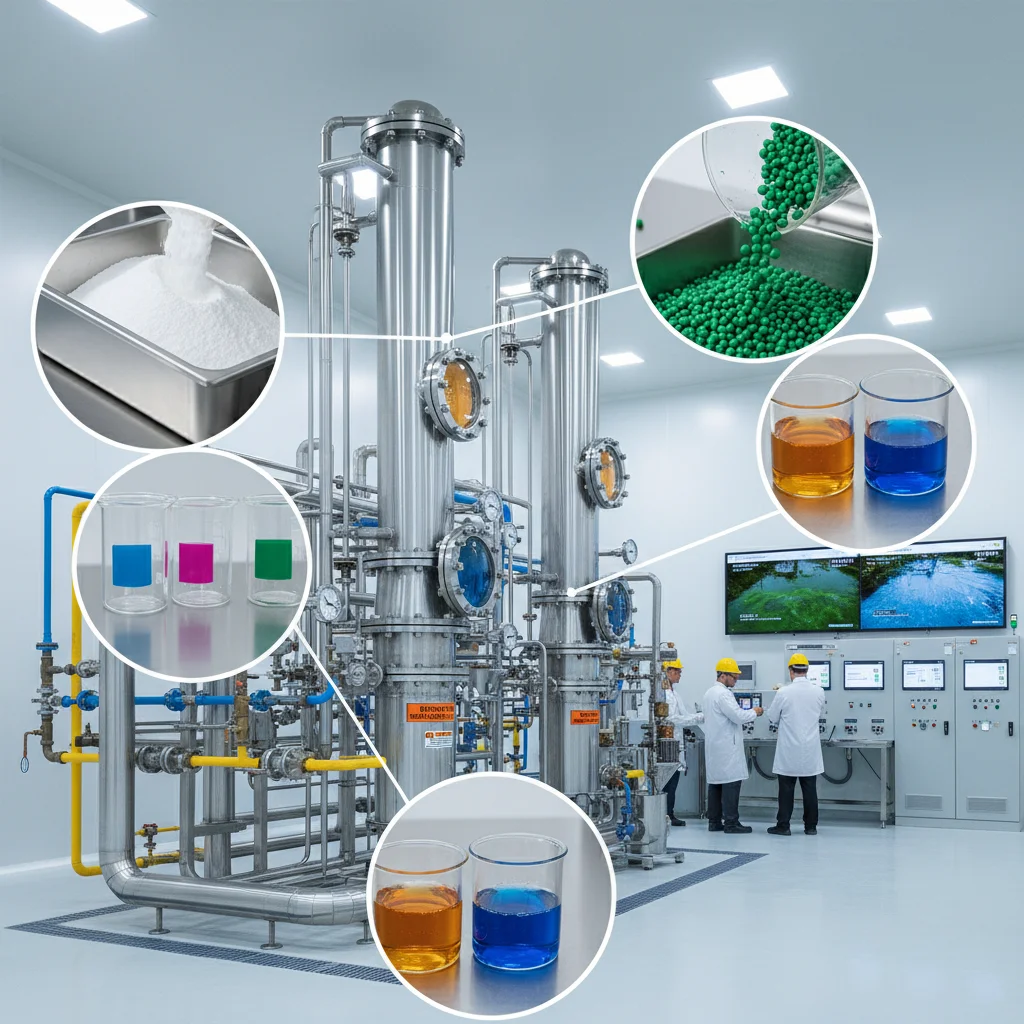
Maintaining stringent quality control is paramount in 2,4-D amine production. Impurities can significantly reduce the effectiveness of the final 2,4-D herbicide and potentially introduce harmful byproducts into the environment. Testing protocols typically involve chromatographic analysis (such as GC-MS and HPLC) to identify and quantify any contaminants.

Purity standards are established by regulatory bodies and industry guidelines. These standards specify acceptable levels of impurities, residual solvents, and other potentially harmful substances. Manufacturers must adhere to these standards to ensure product safety and efficacy. Regular auditing and certification processes help to verify compliance.

2,4-D Amine Quality Control Parameters

Global Supply Chain of 2,4-D Amine

The global supply chain for 2,4-D amine is complex, involving raw material sourcing, manufacturing, transportation, and distribution. Major production hubs are located in China, India, and Europe, with significant demand originating from North and South America, as well as Southeast Asia. Logistical challenges, such as shipping costs and regulatory hurdles, can impact the availability and price of 2,4-D amine.

Disruptions in the supply chain, such as those caused by geopolitical events or natural disasters, can have significant consequences for agricultural production worldwide. Diversifying sourcing and building resilient supply networks are critical strategies for mitigating these risks. Collaboration between manufacturers, distributors, and end-users is essential for ensuring a stable supply of this crucial chemical intermediate.

Environmental Considerations in 2,4-D Amine Production

The production of 2,4-D amine can generate waste streams containing chlorinated compounds and other potentially harmful substances. Proper waste management and treatment are essential to minimize environmental impact. This includes implementing technologies for wastewater treatment, air pollution control, and solid waste disposal.


Sustainable production practices, such as utilizing renewable energy sources and optimizing resource efficiency, are gaining increasing importance. Manufacturers are under growing pressure to adopt environmentally responsible approaches and reduce their carbon footprint. Developing closed-loop systems that recover and reuse byproducts can further enhance sustainability.

Future Trends in 2,4-D Amine Technology

Ongoing research focuses on developing more efficient and environmentally friendly production processes for 2,4-D amine. This includes exploring alternative catalysts, optimizing reaction conditions, and utilizing bio-based feedstocks. The use of continuous flow reactors and microreactors is also gaining traction, offering improved control and reduced waste generation.

Digitalization and automation are playing an increasingly important role in optimizing production processes and improving quality control. Advanced sensors and data analytics can provide real-time monitoring and predictive maintenance, enhancing efficiency and reducing downtime. The integration of artificial intelligence (AI) and machine learning (ML) has the potential to further optimize production parameters.

Key Factors Influencing 2,4-D Amine Production and Quality

Production Method Purity Level (%) Environmental Impact Score (1-10) Production Cost (USD/kg)
Traditional Batch Process 95 7 2.50
Catalytic Continuous Flow 98 9 3.00
Optimized Batch with Waste Recovery 96 8 2.75
Microreactor Technology 99 9.5 3.50
Bio-Based Feedstock Approach 94 8.5 4.00
Hybrid Process (Catalytic & Recovery) 97 9.2 3.25

FAQS

What is the primary role of 2,4-D amine in agriculture?

2,4-D amine isn't directly used in the field; it's a crucial intermediate in manufacturing 2,4-D, a widely used herbicide for controlling broadleaf weeds. This weed control is vital for maximizing crop yields and ensuring food security. The quality of the 2,4-D amine directly influences the effectiveness of the final herbicide product.

What are the major environmental concerns associated with 2,4-D amine production?

The main environmental concerns revolve around waste generation, specifically chlorinated compounds, and potential air emissions. Responsible production requires robust wastewater treatment, air pollution control systems, and adherence to strict environmental regulations. Ongoing research aims to develop more sustainable production processes with reduced environmental impact.

How does the purity of 2,4-D amine affect the final herbicide product?

The purity of 2,4-D amine is directly correlated to the efficacy of the 2,4-D herbicide. Impurities can reduce its herbicidal activity, potentially leading to ineffective weed control and increased application rates. High purity also minimizes the risk of undesirable side effects and environmental contamination.

What are the current trends in optimizing 2,4-D amine production processes?

Key trends include employing catalytic processes, utilizing continuous flow reactors, exploring bio-based feedstocks, and integrating digital technologies like AI and machine learning for process optimization. These advancements aim to improve efficiency, reduce waste, and minimize environmental impact.

What quality control measures are used to ensure the quality of 2,4-D amine?

Rigorous quality control involves chromatographic analysis (GC-MS, HPLC) to identify and quantify impurities, assessments of residual solvent levels, and tests for moisture and chloride content. These analyses ensure the 2,4-D amine meets specified purity standards and regulatory requirements.

Where are the primary global manufacturing locations for 2,4-D amine?

Major production hubs are located in China, India, and Europe, due to established chemical manufacturing infrastructure and access to key raw materials. These regions supply 2,4-D amine to global markets, with significant demand originating from the Americas and Southeast Asia.

Conclusion

2,4-D amine, while often unseen in the final agricultural product, stands as a cornerstone chemical in modern food production. Its efficient and responsible manufacturing is intrinsically linked to global food security, sustainable agricultural practices, and environmental stewardship. Understanding its production processes, quality control measures, and future trends is crucial for stakeholders across the agricultural supply chain.

Looking forward, continued innovation in 2,4-D amine technology – focusing on sustainable production methods, waste reduction, and digitalization – will be essential for ensuring its long-term viability. Investing in research, fostering collaboration, and prioritizing environmental responsibility are key to maximizing the benefits of this vital chemical intermediate for generations to come. For more information and to explore solutions, visit our website: www.hbjrain.com.

Kevin Wright

Kevin Wright

Kevin Wright functions as a Sales Director specializing in international business development for HEBEI JRAIN TECHNOLOGY CO., LTD. He is responsible for building and maintaining relationships with key clients globally, focusing on providing comprehensive, one-stop solutions. Kevin is adept at navigating complex payment structures, including T/T, CAD, LC, and Sinosure Credit. He possesses a deep understanding of international trade regulations and market conditions. His priority is to help clients achieve successful collaborations with JRAIN TECH, ensuring smooth transactions and reliable service.
Previous Comprehensive Guide to 100 Isopropyl Alcohol Applications and Global Demand
Next Comprehensive Guide to 24d Herbicide Applications and Sustainable Weed Control

If you are interested in our products, you can choose to leave your information here, and we will be in touch with you shortly.