Herbicides, commonly known as weed killers, are a crucial component of modern agriculture and land management. Understanding what are examples of herbicides is essential for optimizing crop yields, maintaining healthy ecosystems, and ensuring food security on a global scale. These chemical tools play a significant role in controlling unwanted vegetation that competes with crops for resources, thereby maximizing agricultural productivity. The intelligent and responsible use of herbicides, therefore, becomes paramount for sustainable agricultural practices.
The global herbicide market is a multi-billion dollar industry, reflecting the widespread demand for effective weed control solutions. According to a report by Grand View Research, the global herbicides market size was valued at USD 40.44 billion in 2022 and is expected to grow at a compound annual growth rate (CAGR) of 3.6% from 2023 to 2030. This growth is driven by factors like the increasing need for food production, the rise of herbicide-resistant weeds, and advancements in herbicide technology. Understanding what are examples of herbicides is fundamental for navigating this complex market and addressing challenges related to weed management.
However, the use of herbicides also presents challenges, including the development of herbicide-resistant weeds, potential environmental impacts, and concerns about human health. A comprehensive understanding of what are examples of herbicides, their modes of action, and their potential risks is critical for minimizing these negative effects and promoting responsible herbicide stewardship. This knowledge empowers informed decision-making and contributes to sustainable agricultural practices worldwide.
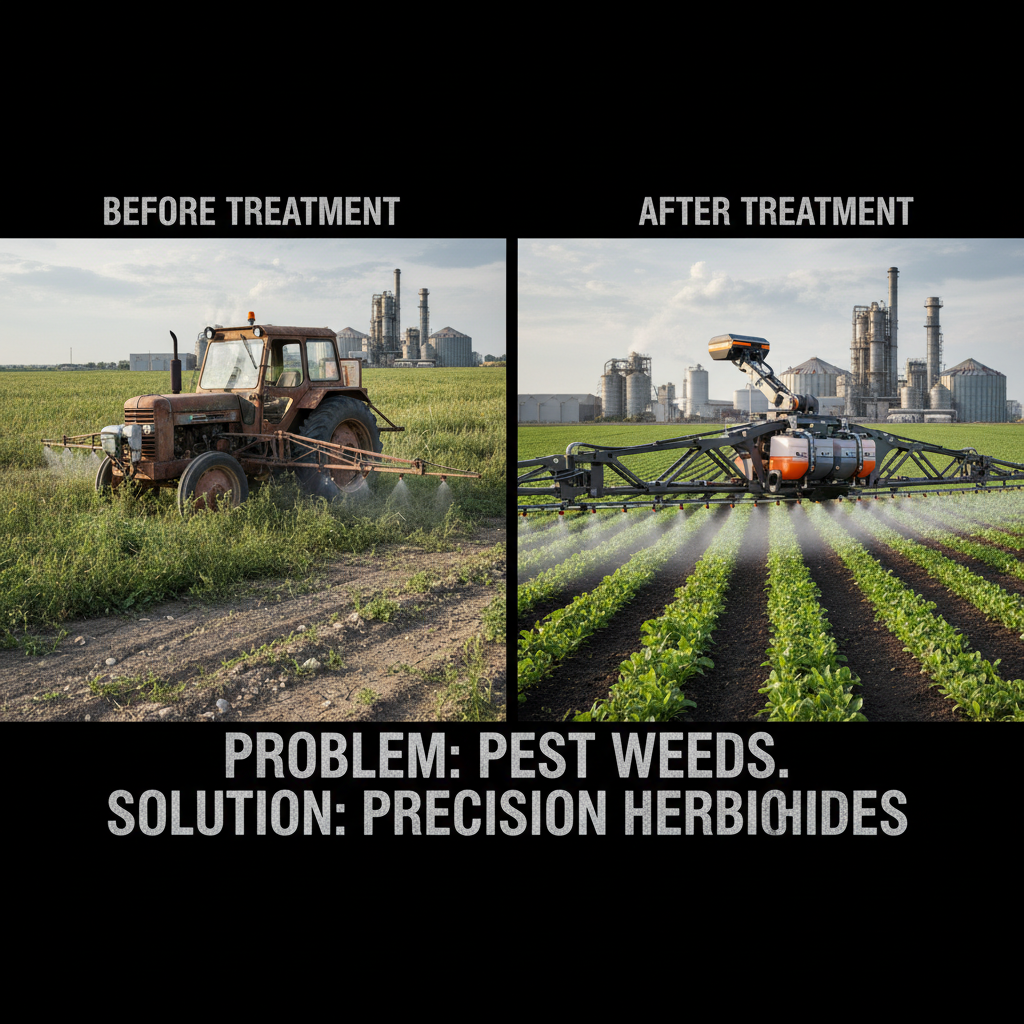
Defining and Categorizing what are examples of herbicides
What are examples of herbicides are chemicals used to control unwanted plants, commonly referred to as weeds. They are an integral part of modern agricultural practices, allowing for increased crop yields by minimizing competition for essential resources like sunlight, water, and nutrients. Herbicides aren’t a monolithic group; they're categorized based on various factors, including their chemical composition, mode of action, and selectivity.
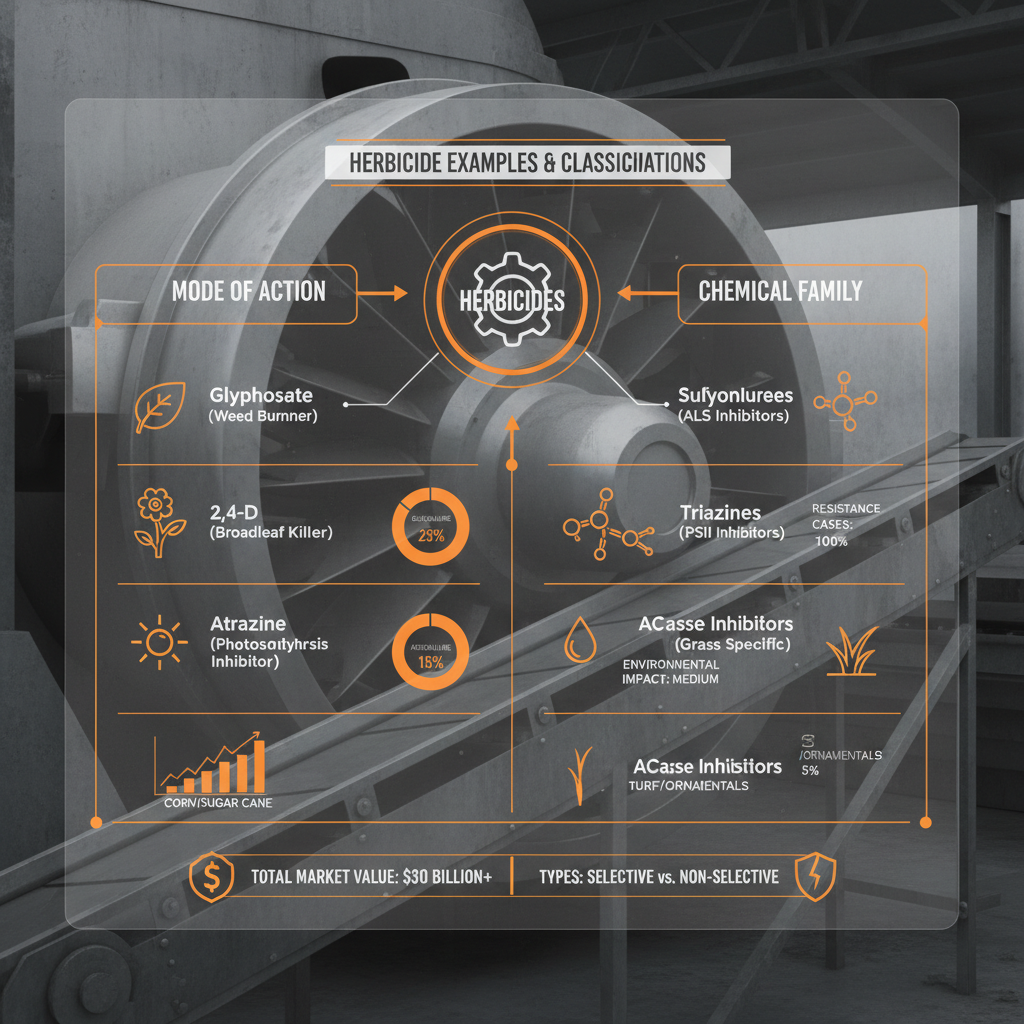
Broadly, herbicides can be divided into several core categories such as systemic herbicides (absorbed by the plant and translocated throughout), contact herbicides (kill only the parts of the plant they directly touch), and pre-emergent herbicides (prevent weed seeds from germinating). This classification is critical for understanding how effectively different herbicides tackle diverse weed species and growth stages, making the selection process more targeted and efficient.
Historical Context and Evolution of what are examples of herbicides
The history of weed control dates back centuries, initially relying on manual weeding and crop rotation. However, the 20th century witnessed a revolution with the development of synthetic herbicides. One of the earliest milestones was the discovery of 2,4-D in the 1940s, a selective herbicide effective against broadleaf weeds. This breakthrough significantly boosted agricultural productivity.
Following 2,4-D, a wave of new herbicides emerged, including triazines, ureas, and glyphosate (Roundup). Glyphosate, in particular, gained widespread adoption due to its broad-spectrum control and relatively low toxicity. However, the extensive use of glyphosate has also led to the evolution of glyphosate-resistant weeds, prompting ongoing research and development of new herbicide chemistries and resistance management strategies. What are examples of herbicides have continually evolved to adapt to changing agricultural needs and weed populations.
The evolution hasn’t been solely about new chemicals. Formulation technology, application methods, and a greater understanding of plant physiology have all contributed to the effectiveness and efficiency of herbicide use over time. Today, the focus is shifting towards more targeted and sustainable approaches to weed management, minimizing environmental impact and preserving herbicide effectiveness.
Modes of Action: How what are examples of herbicides Work
What are examples of herbicides exert their effects through a variety of biochemical mechanisms within plants. These mechanisms target essential plant processes, disrupting growth and ultimately leading to plant death. Understanding these modes of action is critical for selecting the most appropriate herbicide for a specific weed species and for managing herbicide resistance.
Some herbicides, like glyphosate, inhibit enzymes crucial for amino acid synthesis, essentially shutting down protein production. Others, such as triazines, interfere with photosynthesis, preventing plants from converting sunlight into energy. Still others disrupt plant hormone balance, causing uncontrolled growth and eventual death. Each mode of action offers a different approach to weed control, and different weeds exhibit varying levels of sensitivity to each.
The effectiveness of an herbicide is influenced by factors like plant species, growth stage, environmental conditions, and application rate. Furthermore, the development of herbicide resistance occurs when weeds evolve mechanisms to overcome the effects of a particular herbicide, necessitating the use of alternative herbicides or integrated weed management strategies.
Classifications of what are examples of herbicides Based on Selectivity
What are examples of herbicides are also classified based on their selectivity—that is, their ability to control specific types of plants while leaving others unharmed. This is a crucial factor in agricultural applications, where the goal is to eliminate weeds without damaging the desired crop.
Selective herbicides target specific types of plants, such as broadleaf weeds or grasses, while leaving other plants unaffected. This selectivity is often based on physiological differences between plant species. Non-selective herbicides, on the other hand, kill most plants they come into contact with, making them useful for total vegetation control in areas like industrial sites or along roadways.
Effectiveness of Different what are examples of herbicides Classes
Global Applications and Agricultural Impact of what are examples of herbicides
The application of what are examples of herbicides is widespread globally, playing a pivotal role in various agricultural systems. In North America and South America, large-scale commodity crop production (soybeans, corn, wheat) heavily relies on herbicides for efficient weed control. Similarly, in Europe and Asia, herbicides are crucial for maintaining yields in diverse cropping systems, including rice, wheat, and fruits.
Beyond agriculture, herbicides are employed in forestry, landscaping, and right-of-way management (roadsides, railways). The specific herbicides used and the application methods vary depending on the region, crop type, weed spectrum, and regulatory requirements. The overall impact on agriculture is immense, enabling higher yields, reduced tillage, and lower labor costs.
Benefits and Challenges Associated with what are examples of herbicides
The benefits of using what are examples of herbicides are considerable. They contribute to increased food production, reduced soil erosion through no-till farming practices, and decreased reliance on manual weeding, saving time and labor. They also enable farmers to maintain consistent crop quality and minimize yield losses due to weed competition.
However, there are also challenges. The development of herbicide-resistant weeds is a major concern, requiring the use of more potent or multiple herbicides. Environmental impacts, such as potential contamination of water sources and harm to non-target organisms, need careful consideration. Concerns about human health and the potential for herbicide residues in food also require ongoing monitoring and regulation.
Sustainable use of herbicides necessitates a balanced approach, integrating herbicide applications with other weed management practices like crop rotation, cover cropping, and mechanical weeding, thereby mitigating risks and preserving herbicide effectiveness.
Future Trends and Innovations in what are examples of herbicides
The future of what are examples of herbicides is focused on developing more sustainable and targeted solutions. This includes research into new herbicide chemistries with novel modes of action, reducing the reliance on existing herbicides and combating resistance. Biopesticides, derived from natural sources, are gaining prominence as environmentally friendly alternatives.
Precision agriculture technologies, such as drone-based herbicide application and weed detection systems, are also revolutionizing weed management. These technologies allow for targeted herbicide application, minimizing off-target effects and reducing overall herbicide use. Genetic engineering is being used to develop herbicide-tolerant crops, although this approach remains controversial.
Ultimately, the future of weed control will likely involve an integrated approach that combines innovative herbicide technologies with sustainable farming practices, data-driven decision-making, and a commitment to environmental stewardship.
Summary of Future Trends in what are examples of herbicides Research and Development
| Research Area |
Key Focus |
Potential Impact |
Development Stage |
| Novel Herbicide Discovery |
Identifying new chemical entities with unique modes of action |
Overcoming herbicide resistance, reducing environmental impact |
Early-stage research and screening |
| Biopesticide Development |
Utilizing natural compounds (microorganisms, plant extracts) for weed control |
Reduced toxicity, enhanced environmental sustainability |
Commercialization and field testing |
| Precision Herbicide Application |
Using sensors and drones to target herbicide applications to specific weeds |
Reduced herbicide use, minimized off-target effects |
Pilot projects and early adoption |
| Herbicide Resistance Management |
Developing strategies to prevent and manage herbicide-resistant weeds |
Maintaining herbicide effectiveness, protecting crop yields |
Ongoing research and extension programs |
| Genome Editing for Weed Control |
Using CRISPR and other gene editing technologies to target specific weed genes |
Highly targeted weed control, potential for long-term resistance solutions |
Early-stage research and regulatory considerations |
| AI-powered Weed Identification |
Employing machine learning to accurately identify weed species in real-time |
Improved herbicide selection and application strategies |
Development and refinement of algorithms |
FAQS
Pre-emergent herbicides are applied to the soil before weed seeds germinate, creating a chemical barrier that prevents seedling emergence. Post-emergent herbicides, conversely, are applied after weeds have already emerged from the soil. The choice between the two depends on the weed species, crop type, and timing of weed growth. Pre-emergents offer preventative control, while post-emergents address existing weeds.
Not necessarily. While some herbicides have the potential to negatively impact the environment, modern formulations and application techniques are designed to minimize these effects. Factors like herbicide persistence, mobility in soil, and toxicity to non-target organisms play a role. Selecting herbicides with lower environmental impact and using integrated weed management practices can significantly reduce risks.
Herbicide resistance occurs when weeds evolve mechanisms to survive herbicide exposure. This happens through repeated use of the same herbicide, which selects for individuals with naturally occurring resistance genes. These resistant plants reproduce, eventually leading to a population of herbicide-resistant weeds. Rotating herbicides with different modes of action and using integrated weed management strategies can slow down resistance development.
Biopesticides are pesticides derived from natural sources, such as microorganisms, plants, or minerals. They generally have lower toxicity and are more environmentally friendly than synthetic herbicides. However, they may have a narrower spectrum of activity and require more frequent applications. Biopesticides offer a sustainable alternative or complement to synthetic herbicides.
When handling herbicides, always wear appropriate personal protective equipment (PPE), including gloves, eye protection, and a respirator if recommended. Read and follow all label instructions carefully, including application rates, mixing procedures, and safety warnings. Avoid contact with skin and eyes, and do not eat, drink, or smoke while handling herbicides. Store herbicides in a secure location out of reach of children and pets.
Integrated Weed Management (IWM) is a holistic approach to weed control that combines multiple tactics, including crop rotation, cover cropping, mechanical weeding, biological control, and judicious herbicide use. By diversifying weed control methods, IWM reduces the reliance on any single tactic, minimizes herbicide resistance, and promotes long-term sustainability. It’s about taking a preventative, proactive, and adaptive approach.
Conclusion
In conclusion, what are examples of herbicides represent a complex but critical tool in modern agriculture and land management. Their effective and responsible use is essential for maximizing crop yields, maintaining healthy ecosystems, and ensuring global food security. A thorough understanding of herbicide classifications, modes of action, and potential risks is paramount for sustainable application.
Looking ahead, innovation in herbicide technology, coupled with the adoption of integrated weed management practices, will be crucial for overcoming challenges like herbicide resistance and minimizing environmental impacts. Continued research and development, along with a commitment to responsible stewardship, will pave the way for a more sustainable and resilient agricultural future. Visit our website at www.hbjrain.com to learn more.