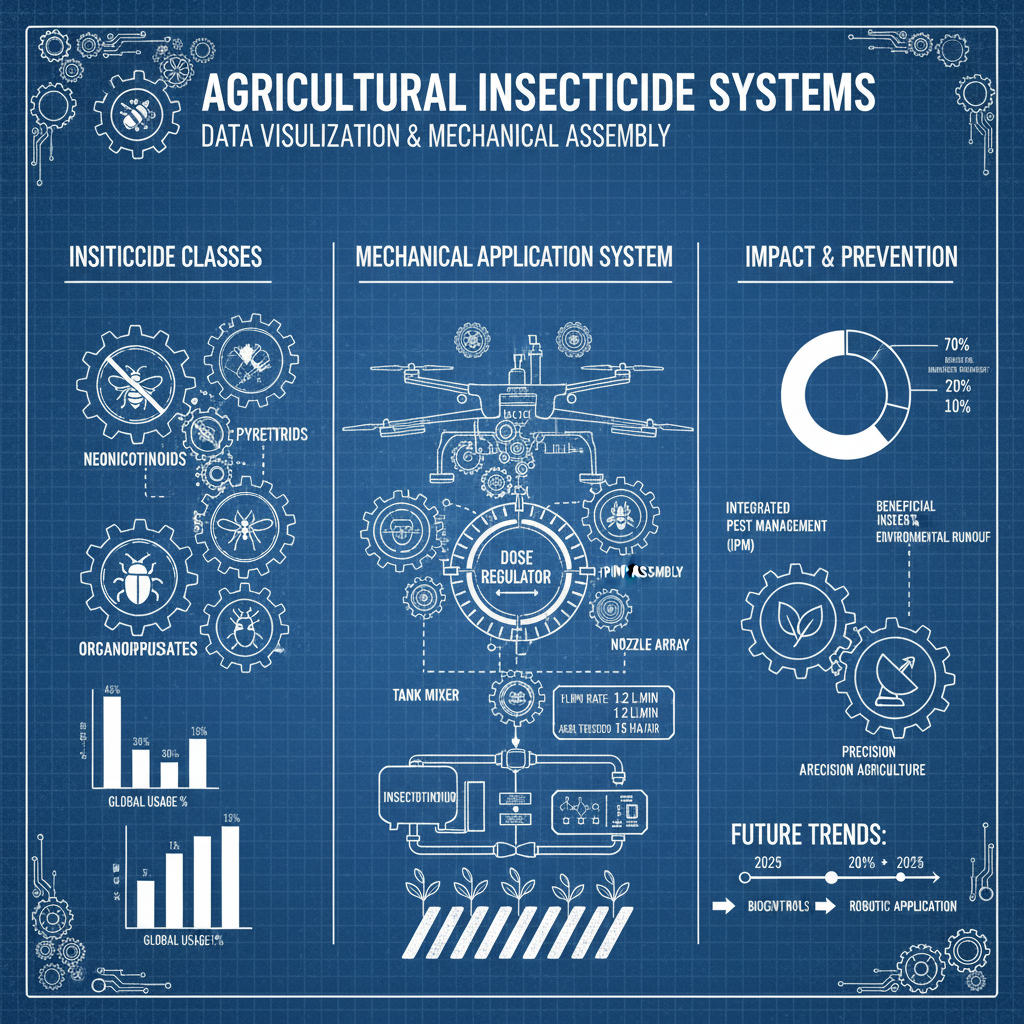
Insecticides used in agriculture are a cornerstone of modern food production, playing a crucial role in protecting crops from damaging insects that can significantly reduce yields. Globally, these chemicals are essential for ensuring food security, particularly in regions facing rapid population growth and climate change challenges. The demand for insecticides is driven by the need to maximize agricultural output and maintain a stable food supply chain, impacting economies and livelihoods worldwide.
The widespread use of insecticides, however, is a complex issue. While offering substantial benefits in crop protection, it also presents potential risks to human health and the environment. Sustainable agricultural practices and responsible insecticide application are increasingly important to mitigate these risks. Innovations in insecticide formulations and application technologies are constantly being developed to improve efficacy and reduce off-target effects, making the efficient use of insecticides used in agriculture vital for a balanced approach.
Understanding the intricacies of insecticides used in agriculture – from their modes of action to their environmental impact – is critical for farmers, policymakers, and consumers alike. This knowledge allows for informed decision-making, promoting sustainable practices, and safeguarding both agricultural productivity and ecological health. The future of food production relies on a nuanced understanding and responsible implementation of these vital tools.
The Role of Insecticides in Global Agriculture
Insecticides used in agriculture are indispensable in preventing substantial crop losses caused by a vast array of insect pests. Without their application, global food production would be significantly diminished, leading to increased food prices and potential shortages. These chemicals protect a wide range of crops, including cereals, fruits, vegetables, and cotton, ensuring a consistent supply of food and raw materials.
However, the effectiveness of insecticides is constantly challenged by the development of insecticide resistance in insect populations. This necessitates continuous research and development of new chemistries and application strategies to maintain control and prevent widespread resistance. The responsible use of insecticides, including integrated pest management (IPM) practices, is paramount in mitigating these challenges and promoting sustainable agriculture.
Defining Insecticides Used in Agriculture
Insecticides used in agriculture are substances, both natural and synthetic, employed to kill insects that damage crops or transmit plant diseases. They are a critical component of crop protection, designed to target specific insect pests while minimizing harm to beneficial organisms and the environment. Modern insecticides range from broad-spectrum chemicals affecting a wide range of insects to more selective compounds targeting specific pest species.
The development of insecticides has evolved significantly over time, from early inorganic compounds like arsenic to the more sophisticated organic molecules used today. Their application is directly linked to modern agricultural intensification, enabling higher yields and more efficient food production. However, understanding their impact on ecosystems and human health requires careful consideration and responsible use.
Insecticides directly address a key need in global food systems – minimizing the losses caused by insect infestations. These losses can occur at any stage of crop development, from seedling to harvest, and can severely impact both the quantity and quality of agricultural produce. Effective insecticides are, therefore, essential for ensuring food security and economic stability for farmers.
Key Characteristics of Effective Insecticides
Several key characteristics define the effectiveness of insecticides used in agriculture. Firstly, selectivity is vital – the ability to target pest insects while sparing beneficial organisms like pollinators and natural enemies. Secondly, persistence plays a role; insecticides need to remain effective for a sufficient period to control pest populations but should not persist in the environment for excessively long periods.
Furthermore, mode of action is crucial. Different insecticides work in different ways, targeting the insect nervous system, growth regulators, or other vital processes. Understanding the mode of action is essential for managing insecticide resistance. Formulation also impacts efficacy – the way an insecticide is prepared (e.g., emulsifiable concentrate, wettable powder) affects its application and absorption. Finally, cost-effectiveness is an important consideration for farmers, balancing efficacy with affordability.
Finally, environmental fate – how the insecticide breaks down and moves through the environment – is a critical characteristic. Insecticides with favorable environmental profiles minimize risks to water sources, soil health, and non-target organisms. A thorough understanding of these characteristics is essential for selecting the most appropriate insecticide for a specific situation.
Global Application Areas
Insecticides used in agriculture are applied across a diverse range of agricultural landscapes globally. Major application areas include cereal crops (wheat, rice, maize) in Asia and Europe, cotton production in India and the United States, soybean cultivation in South America, and fruit and vegetable farms worldwide. The specific insecticides used vary depending on the target pests, local regulations, and environmental conditions.
In Africa, insecticides are critically important for controlling pests like locusts, fall armyworm, and tsetse flies, which pose significant threats to food security. In North America, they are widely used in orchards and vineyards to protect against fruit flies, aphids, and other pests. Regions experiencing rapid agricultural intensification often see increased insecticide use to maximize yields.
The application of insecticides isn’t limited to large-scale commercial farms. Smallholder farmers, particularly in developing countries, also rely on insecticides to protect their crops and livelihoods. However, access to safe and effective insecticides, along with training on proper application techniques, remains a significant challenge for many smallholders.
Insecticide Application Rates by Crop Type
Advantages and Long-Term Value
The primary advantage of insecticides used in agriculture lies in their ability to dramatically increase crop yields by preventing insect-related damage. This translates into higher profits for farmers, more affordable food for consumers, and a more stable food supply. Improved crop quality, reduced post-harvest losses, and the ability to grow crops in areas previously unsuitable due to pest pressure are also significant benefits.
Long-term value extends beyond immediate economic gains. Effective pest control contributes to soil health by reducing the need for repeated replanting of damaged crops. Furthermore, responsible insecticide use, integrated with IPM strategies, can help preserve biodiversity and ecosystem services. The continued development of safer and more targeted insecticides fosters sustainable agricultural practices.
Emerging Trends in Insecticide Technology
Several exciting trends are shaping the future of insecticides used in agriculture. Biopesticides, derived from natural sources like bacteria, fungi, and plants, are gaining popularity as environmentally friendly alternatives to synthetic chemicals. RNA interference (RNAi) technology offers a highly targeted approach to pest control, disrupting essential insect genes.
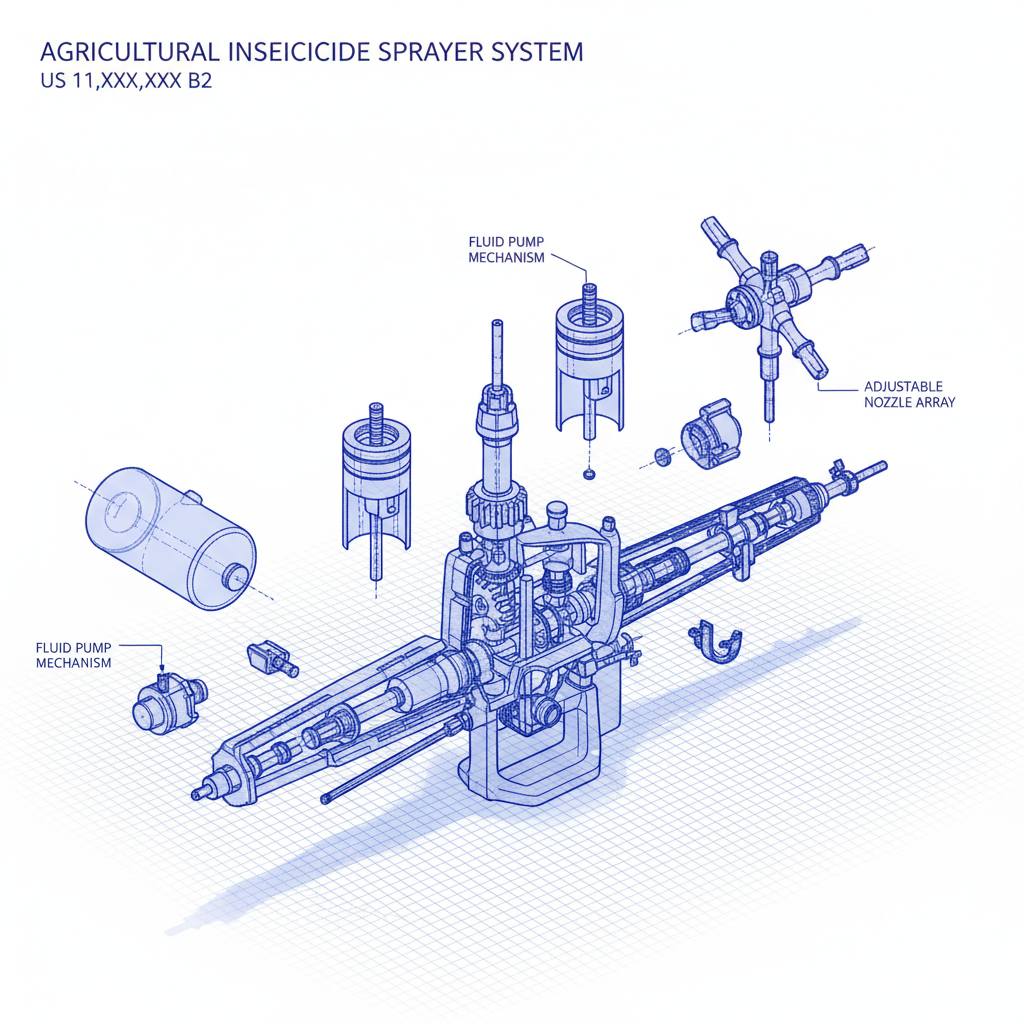
Precision agriculture techniques, such as drone-based application and sensor-driven spraying, are optimizing insecticide use, minimizing off-target effects and reducing overall application rates. Nanotechnology is also being explored for developing more effective and targeted insecticide delivery systems. These innovations represent a shift towards more sustainable and environmentally responsible pest management.
Challenges and Sustainable Solutions
Despite their benefits, insecticides used in agriculture face significant challenges, including the development of insecticide resistance, non-target effects on beneficial organisms, and potential human health risks. The overuse and misuse of insecticides exacerbate these problems. Addressing these challenges requires a multifaceted approach.
Sustainable solutions include promoting integrated pest management (IPM) strategies that combine biological control, cultural practices, and judicious insecticide use. Investing in research and development of novel insecticides with different modes of action is crucial for overcoming resistance. Strengthening regulations and providing training to farmers on safe and responsible insecticide application are also essential.
Furthermore, fostering collaboration between researchers, policymakers, and farmers is vital for developing and implementing sustainable pest management practices that protect both agricultural productivity and environmental health.
Overview of Insecticide Resistance Management Strategies
| Strategy Type |
Implementation Method |
Effectiveness Rating (1-10) |
Cost of Implementation |
| Rotation of Insecticide Classes |
Alternating insecticides with different modes of action. |
8 |
Moderate |
| Refuge Planting |
Maintaining areas of untreated crops to allow susceptible insects to survive. |
7 |
Low |
| Integrated Pest Management (IPM) |
Combining biological control, cultural practices, and selective insecticide use. |
9 |
Moderate to High |
| Insecticide Resistance Monitoring |
Regularly testing insect populations for resistance to common insecticides. |
6 |
Low to Moderate |
| Use of Biopesticides |
Employing naturally derived pest control agents. |
7 |
Moderate |
| Synergist Application |
Combining insecticides with synergists to enhance their effectiveness. |
5 |
Low |
FAQS
Insecticides can pose several environmental risks, including harm to non-target organisms like pollinators, aquatic life, and beneficial insects. They can also contaminate water sources through runoff and leaching. Persistent insecticides can accumulate in the food chain, posing risks to wildlife and human health. Responsible use, including following label instructions and utilizing IPM practices, is crucial to mitigate these concerns.
Insecticide resistance develops when insects with genetic mutations that allow them to survive exposure to an insecticide reproduce, passing on these resistance genes to their offspring. Repeated exposure to the same insecticide creates selective pressure, favoring resistant individuals. Rotating insecticide classes, using IPM, and avoiding overuse are key strategies to slow the development of resistance.
Integrated Pest Management (IPM) is a sustainable approach to pest control that combines multiple tactics, including biological control, cultural practices, and the judicious use of insecticides. IPM aims to minimize insecticide use while effectively managing pest populations. It emphasizes monitoring pest levels, identifying thresholds, and selecting the most targeted and environmentally friendly control options.
Biopesticides, derived from natural sources, offer a promising alternative to synthetic insecticides. They often have lower toxicity to non-target organisms and break down more quickly in the environment. However, biopesticides may be less potent or have a narrower spectrum of activity compared to synthetic options, requiring careful selection and application timing.
Insecticide use is typically regulated by national and regional government agencies, such as the Environmental Protection Agency (EPA) in the United States. These regulations cover registration, labeling, application, and residue limits. They aim to protect human health and the environment by ensuring that insecticides are used safely and effectively.
Nanotechnology offers the potential to develop targeted insecticide delivery systems. Nano-encapsulation can protect insecticides from degradation, improve their adhesion to plant surfaces, and reduce off-target drift. This can lead to lower application rates, enhanced efficacy, and reduced environmental impact. However, further research is needed to assess the long-term effects of nanomaterials on ecosystems.
Conclusion
Insecticides used in agriculture remain a vital tool for ensuring global food security, protecting crops from devastating insect infestations, and sustaining agricultural productivity. However, their use requires a nuanced understanding of their benefits, risks, and the evolving challenges of insecticide resistance and environmental impact. A shift towards integrated pest management, coupled with innovations in biopesticides and precision agriculture, is critical for promoting sustainable and responsible pest control.
Looking ahead, continued research and development, strengthened regulations, and collaborative efforts between stakeholders are essential for harnessing the benefits of insecticides while minimizing their potential drawbacks. By embracing a holistic approach to pest management, we can safeguard both food production and environmental health for future generations. For more information on sustainable agricultural practices and insecticide solutions, visit our website: www.hbjrain.com.