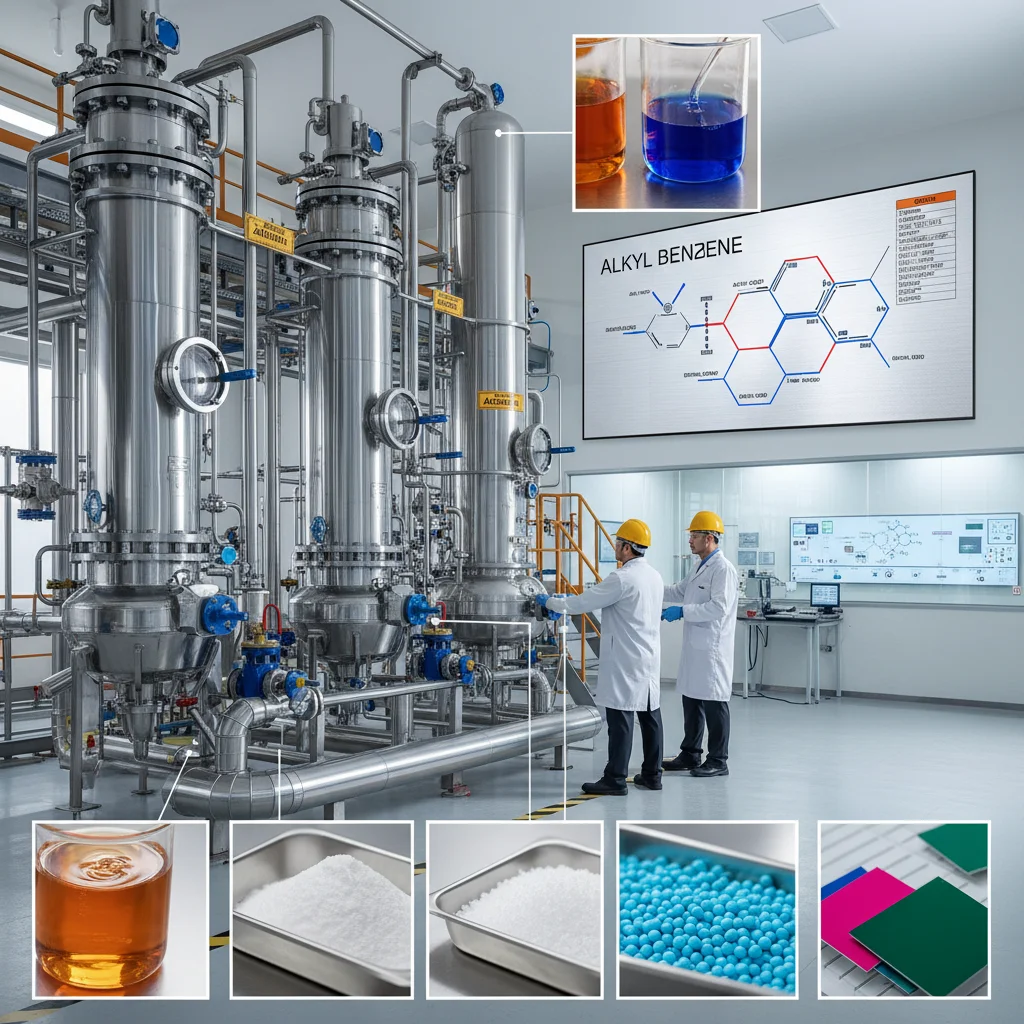
Understanding the complexities of blue copper fungicide price is crucial for agricultural professionals, horticulturalists, and anyone involved in crop protection. Fluctuations in this price directly impact farming costs, yield potential, and ultimately, food security globally. Navigating these price changes requires insight into market dynamics, production costs, and evolving regulatory landscapes.
The global fungicide market is a multi-billion dollar industry, and blue copper fungicide represents a significant segment due to its environmentally friendly profile. Its increasing adoption, driven by a demand for sustainable agriculture, directly influences the blue copper fungicide price. Analyzing these trends is vital for informed purchasing decisions and long-term agricultural planning.
This comprehensive guide aims to demystify the factors influencing blue copper fungicide price, offering valuable insights into its applications, future trends, and potential challenges. We’ll explore the interplay between supply, demand, regulatory changes, and innovation, empowering you with the knowledge needed to make strategic decisions related to crop protection.
The Importance of Understanding blue copper fungicide price
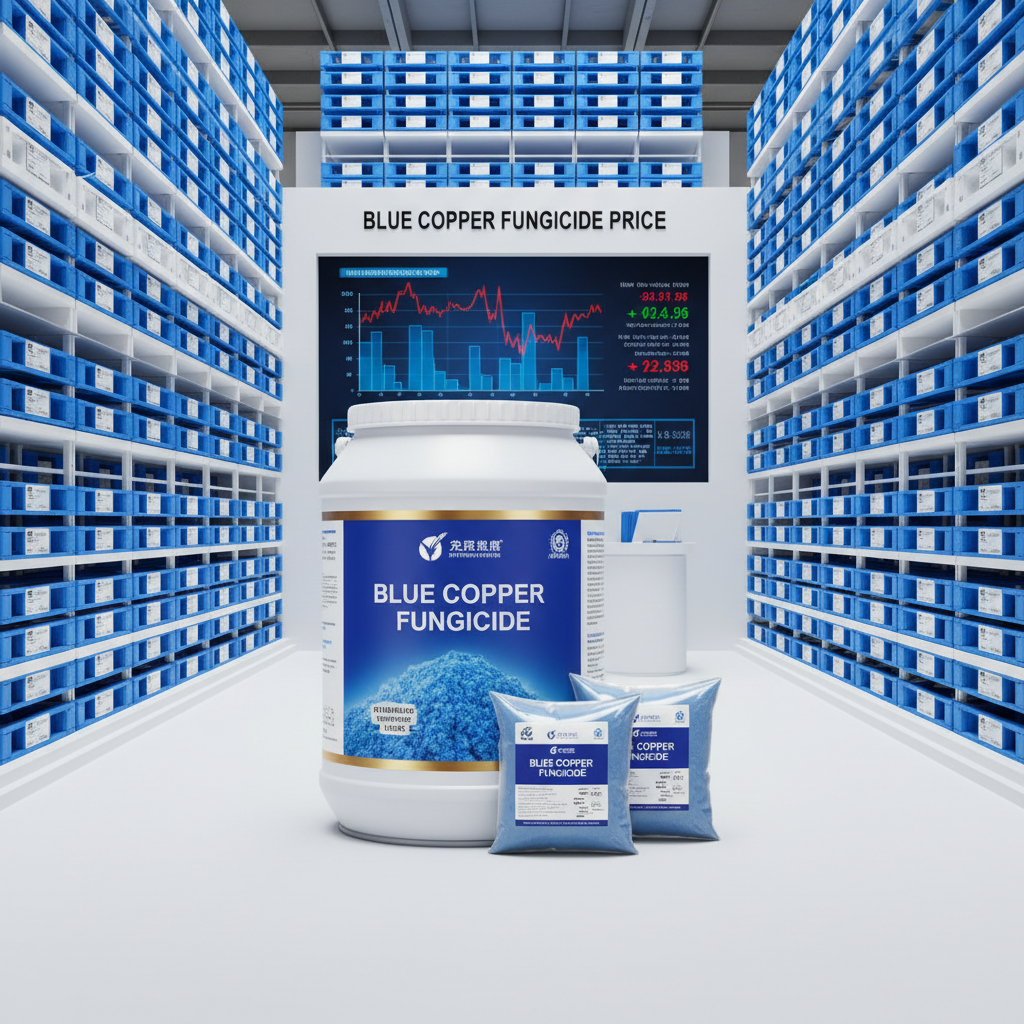
Accurately assessing the blue copper fungicide price allows growers to optimize their crop protection budgets and maximize returns. Understanding the factors that contribute to price volatility – from raw material costs to transportation expenses – is essential for proactive planning.
Furthermore, knowledge of the blue copper fungicide price landscape allows for informed comparisons between different suppliers and formulations, ultimately leading to the selection of the most cost-effective and efficient solution for specific crop needs.
Global Context and Market Drivers
The global demand for fungicides is steadily increasing, driven by factors such as a growing population, changing dietary habits, and the increasing threat of crop diseases. This demand directly impacts the blue copper fungicide price, particularly in regions with intensive agricultural practices. According to the UN’s Food and Agriculture Organization (FAO), crop losses due to pests and diseases can reach up to 40% globally.
Emerging markets in Asia and Latin America are witnessing rapid agricultural expansion, increasing the need for effective crop protection solutions. This heightened demand, coupled with the environmentally friendly profile of blue copper fungicide, is fueling its market growth and influencing its price. blue copper fungicide price is crucial in monitoring this growth.
The rise in organic farming practices also significantly contributes to the demand for blue copper fungicide. As consumers increasingly prioritize sustainable and pesticide-free produce, the use of organic-approved fungicides, like blue copper formulations, continues to rise, ultimately shaping the blue copper fungicide price.
Defining Blue Copper Fungicide Price
Blue copper fungicide price refers to the cost associated with acquiring and utilizing fungicides based on copper hydroxide and copper oxychloride formulations. This price is not static; it fluctuates based on a multitude of factors including the concentration of active ingredients, formulation type (wettable powder, suspension concentrate, etc.), packaging size, and supplier margins.
Understanding the blue copper fungicide price also involves recognizing the costs beyond the initial purchase, such as application expenses (labor, equipment), and potential environmental considerations. A holistic assessment of these costs is crucial for determining the true economic value of blue copper fungicide.
In the context of modern agriculture, blue copper fungicide price is a key component of overall crop production costs, impacting profitability and competitiveness. Analyzing this price in relation to alternative fungicides and crop yields is critical for informed decision-making.
Key Factors Influencing blue copper fungicide price
Several key factors dictate the blue copper fungicide price. Raw material costs, particularly copper metal, are a significant driver. Fluctuations in the global copper market directly impact the production cost of these fungicides. blue copper fungicide price is dependent on these raw materials.
Manufacturing processes and formulation technologies also play a role. More advanced formulations, offering improved efficacy and rainfastness, often command a higher price. Supply chain logistics, including transportation and storage, add to the overall cost.
Comparison of blue copper fungicide price Based on Formulation
Global Applications and Use Cases
Blue copper fungicide finds widespread application in a variety of crops, including fruits, vegetables, grapes, and ornamentals. Its effectiveness against a broad spectrum of fungal diseases, such as downy mildew, late blight, and anthracnose, makes it a valuable tool for growers worldwide.
In Europe, blue copper fungicides are commonly used in organic vineyards to control downy mildew. In the Americas, they are popular for managing late blight in potato and tomato crops. In Asia, they are employed in the protection of fruit trees and vegetable gardens.
Advantages and Long-Term Value
The key advantage of blue copper fungicide is its relatively low toxicity and environmental impact compared to many synthetic fungicides. This makes it a preferred choice for organic farming and sustainable agriculture. Its long-term residual effect also contributes to its value, reducing the frequency of application.
Beyond environmental benefits, blue copper fungicide offers economic advantages through reduced application rates and increased crop yields. By effectively controlling fungal diseases, it helps minimize crop losses and maximize profitability for farmers.
Future Trends and Innovations
Research and development efforts are focused on enhancing the efficacy and delivery of blue copper fungicides. Nanotechnology and microencapsulation techniques are being explored to improve the adhesion, rainfastness, and overall performance of these formulations.
The integration of digital technologies, such as precision agriculture and disease forecasting models, is also expected to play a role in optimizing the use of blue copper fungicide and reducing overall costs. Furthermore, combining blue copper with other biopesticides will yield innovative crop protection.
Sustainability will continue to drive innovation in this sector, with a focus on reducing the environmental footprint of fungicide production and application. This includes developing more environmentally friendly formulations and promoting responsible usage practices.
Challenges and Solutions
A primary challenge associated with blue copper fungicide is its potential for phytotoxicity under certain environmental conditions. High concentrations or unfavorable weather patterns can cause leaf burn or other plant damage. Another challenge is the development of fungal resistance over time.
Solutions include optimizing application rates, using appropriate adjuvants, and rotating with other fungicides having different modes of action. Implementing integrated pest management (IPM) strategies, combining cultural practices, biological control, and chemical control, is crucial for mitigating resistance.
Ongoing research into novel copper complexes and delivery systems aims to address these challenges and enhance the overall performance and sustainability of blue copper fungicides.
Summarizing the Core Considerations for Blue Copper Fungicide Application
| Application Timing |
Dosage Rate |
Environmental Conditions |
Resistance Management |
| Preventative applications before disease onset |
Follow label recommendations based on crop and disease severity |
Avoid application during high temperatures or rainfall |
Rotate with fungicides with different modes of action |
| Regular monitoring for early disease detection |
Adjust dosage based on disease pressure |
Ensure adequate spray coverage |
Implement integrated pest management (IPM) strategies |
| Optimal timing aligned with crop growth stage |
Consider tank mix compatibility |
Minimize drift potential |
Utilize disease forecasting models |
| Responsive applications following disease outbreak |
Calibrate spray equipment regularly |
Maintain proper pH levels in spray tank |
Promote beneficial microbial activity |
| Adherence to pre-harvest intervals (PHI) |
Avoid excessive use of copper |
Consider local regulations and restrictions |
Monitor for signs of resistance development |
| Strategic application during favorable conditions |
Use adjuvants to enhance efficacy |
Avoid applications during stress periods for plants |
Seek expert advice for customized solutions |
FAQS
The price of blue copper fungicide is most affected by the cost of raw copper, manufacturing processes, formulation type (e.g., wettable powder vs. suspension concentrate), packaging, transportation costs, and overall market demand. Regulatory changes and environmental compliance costs can also influence the price. blue copper fungicide price is therefore sensitive to broader economic factors.
Different formulations have varying manufacturing costs. Suspension concentrates (SC) and water dispersible granules (WG) generally command a higher price than wettable powders (WP) due to more complex production processes and often, improved application characteristics. The ease of use and efficiency also play a role in the pricing structure.
Blue copper fungicide typically has a shelf life of 2-3 years when stored properly (cool, dry place). While the shelf life itself doesn't directly impact the initial price, older stock nearing expiry may be offered at a discount. However, using expired product could reduce its effectiveness, negating any initial cost savings.
Blue copper fungicides that are certified for organic use often carry a premium price. This is due to the stricter production standards, certification costs, and potentially lower supply compared to non-organic alternatives. Growers willing to pay for organic certification can expect to see a higher cost per unit.
Yes, regional price variations are common due to differences in transportation costs, import duties, local regulations, and demand levels. Prices are typically higher in remote areas or regions with limited competition. It's crucial to compare quotes from multiple suppliers to find the best price.
While the initial price might be comparable, blue copper fungicide can lead to long-term cost savings due to its lower toxicity, reduced environmental impact, and suitability for organic production. Reduced regulatory scrutiny and potential marketing advantages for organic produce can further enhance cost-effectiveness.
Conclusion
In conclusion, understanding the factors that drive blue copper fungicide price is paramount for effective crop management and sustainable agricultural practices. From raw material costs and formulation types to regional variations and regulatory influences, a holistic view of the market is essential for making informed purchasing decisions. Utilizing this knowledge empowers growers to optimize their budgets and maximize returns while minimizing environmental impact.
Looking ahead, continued research and innovation will undoubtedly shape the future of blue copper fungicide. Developments in formulation technology, coupled with the increasing demand for sustainable agriculture, will drive further advancements and potentially lead to more cost-effective and environmentally friendly solutions. Visit our website at www.hbjrain.com to learn more about our range of products and expert advice on optimizing your crop protection strategies.