0%

Table of Contents

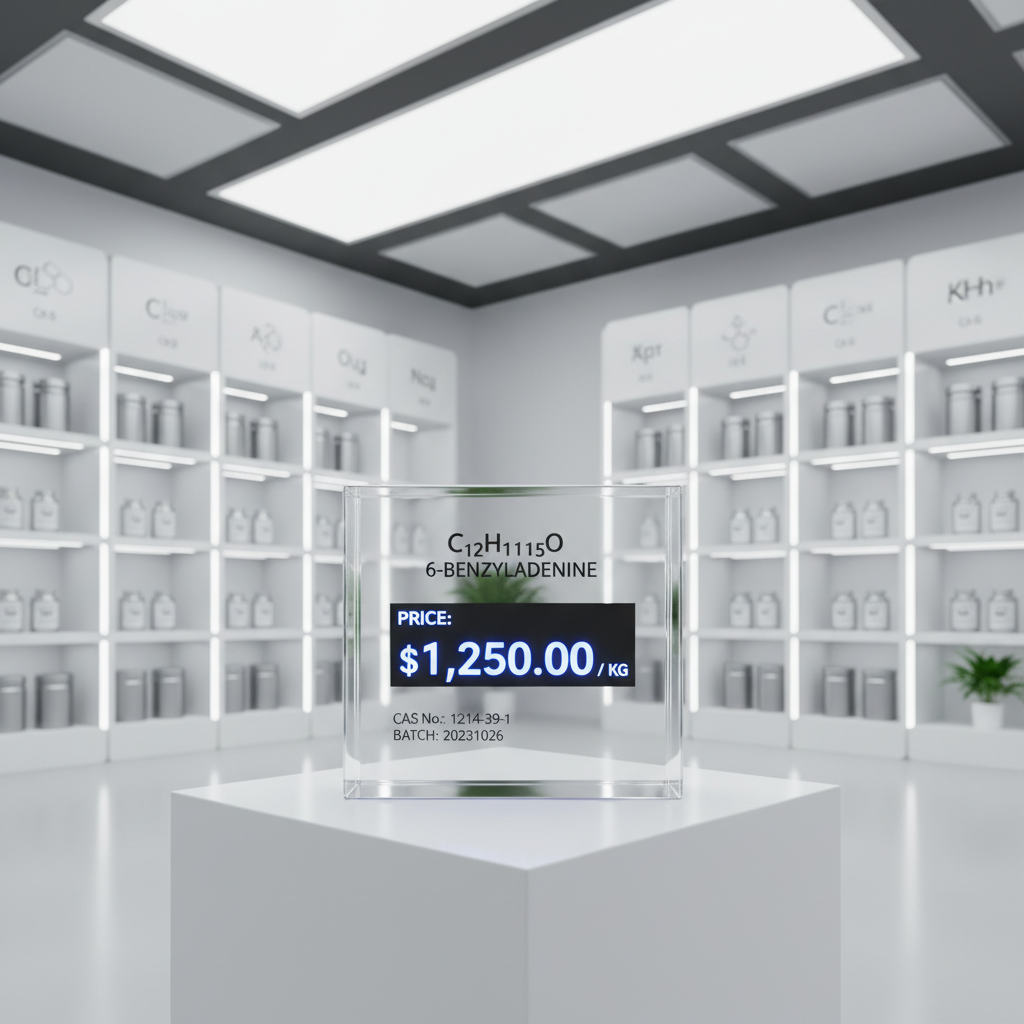
6 benzyladenine price, often referred to as BA, is a crucial plant growth regulator with applications spanning agriculture, horticulture, and increasingly, plant biotechnology. Understanding its pricing dynamics is vital for researchers, growers, and suppliers alike, influencing crop yields and research budgets globally. Fluctuations in 6 benzyladenine price are linked to production costs, demand shifts, and geopolitical factors impacting raw material availability.

The global market for plant growth regulators is substantial, driven by the need to enhance agricultural productivity to meet the demands of a growing population. The cost-effectiveness of using 6 benzyladenine price in tissue culture, for instance, can significantly impact the scalability of plant propagation efforts. Accurate pricing information enables informed decision-making, maximizing resource allocation and optimizing plant growth strategies.

This comprehensive overview will explore the various factors influencing 6 benzyladenine price, its practical applications, advantages, future trends, and potential challenges. The aim is to provide a detailed understanding of the economic landscape surrounding this important plant hormone, empowering stakeholders with the knowledge to navigate the market effectively.
6 benzyladenine price

The Fundamentals of 6 Benzyladenine Price
6 benzyladenine price

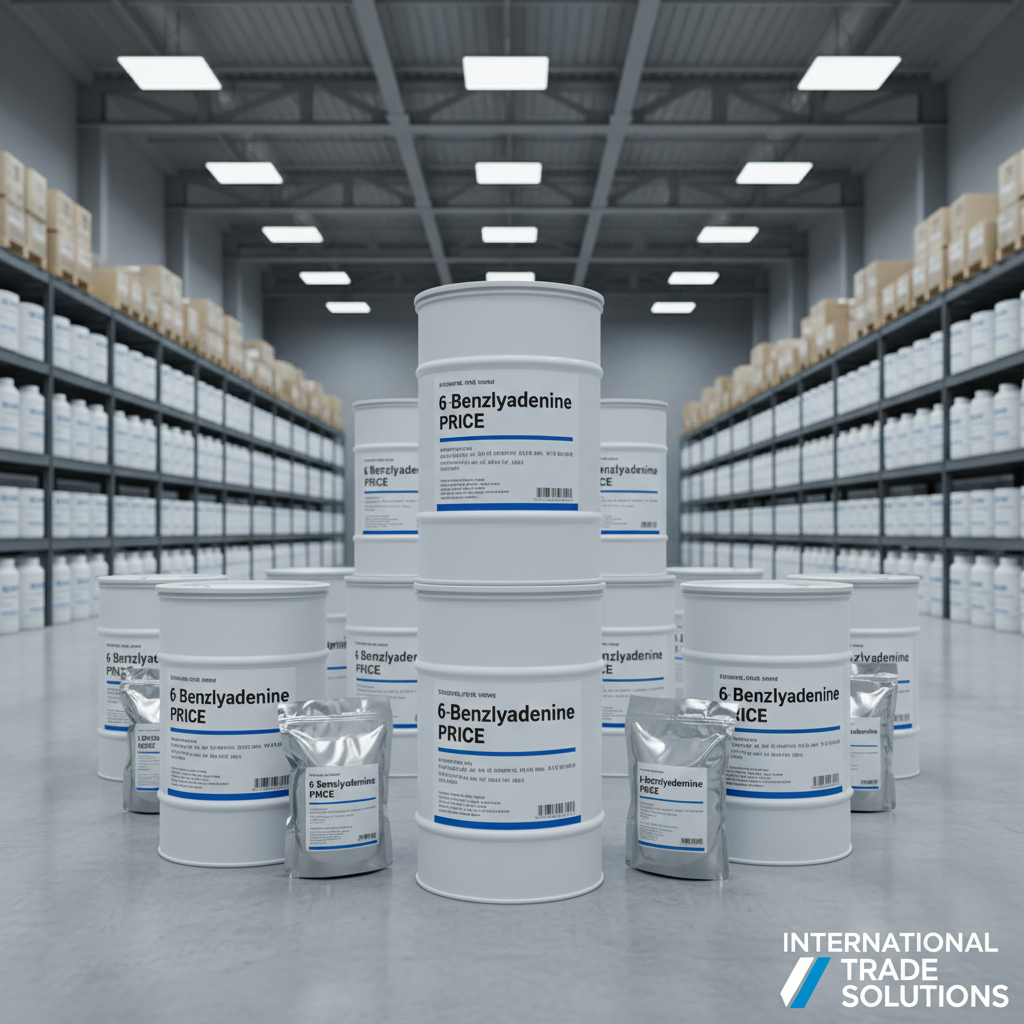
The baseline 6 benzyladenine price is determined by the cost of raw materials, primarily adenine and benzyl chloride, both products of complex chemical synthesis. These costs are sensitive to crude oil prices and the availability of precursor chemicals. Manufacturing processes, quality control, and purity levels also significantly contribute to the final cost.

Variations in 6 benzyladenine price also arise from the supplier’s geographical location and associated shipping costs. Bulk purchasing and long-term contracts often secure lower prices, while smaller quantities intended for research purposes typically command a higher price per unit. 6 benzyladenine price is also influenced by the reputation and reliability of the supplier.

Global Market Dynamics of 6 Benzyladenine Price

The global demand for 6 benzyladenine price is largely concentrated in regions with intensive agricultural practices and thriving horticulture industries. Asia-Pacific, particularly China and India, represents the largest consumer base, driven by increasing crop production and a growing emphasis on plant biotechnology. Europe and North America also contribute significantly to overall demand, primarily for research and specialized agricultural applications.

Supply chain disruptions, such as those experienced during the COVID-19 pandemic, have demonstrated the vulnerability of 6 benzyladenine price to external shocks. Geopolitical instability and trade restrictions can also impact the availability and cost of raw materials and finished products. The increasing focus on sustainable agriculture practices is driving demand for high-quality, reliable plant growth regulators.

According to industry reports, the plant growth regulator market is projected to continue its growth trajectory in the coming years, with 6 benzyladenine price remaining a key component. Monitoring these global trends is crucial for anticipating price fluctuations and ensuring a stable supply of this vital chemical compound.

Defining 6 Benzyladenine Price and its Significance

6 benzyladenine price, chemically known as N6-benzyladenine, is a synthetic cytokinin, a class of plant hormones that promote cell division, shoot formation, and delay senescence. Its significance lies in its ability to enhance plant growth and development, improving crop yields, and facilitating plant propagation through tissue culture.

The 6 benzyladenine price is not merely an agricultural input; it's integral to advancements in biotechnology. It enables efficient and rapid plant cloning, vital for preserving endangered species and developing improved plant varieties. Furthermore, it's used in fruit setting, increasing fruit size, and extending the shelf life of produce.

Understanding the factors impacting 6 benzyladenine price enables effective resource allocation within the agricultural sector, driving innovation and sustainable farming practices. Stable and predictable pricing contributes to food security and economic stability, particularly in regions heavily reliant on agriculture.

Core Components Affecting 6 Benzyladenine Price

Several core components directly influence 6 benzyladenine price. Raw material costs, as previously mentioned, are paramount. The complexity of the synthesis process and the need for high purity standards necessitate specialized manufacturing facilities and skilled personnel, contributing to production costs.

Another significant factor is the scale of production. Larger-scale manufacturers often benefit from economies of scale, reducing the per-unit cost of 6 benzyladenine price. Competition among suppliers also plays a crucial role, driving prices down in a competitive market.

Comparison of 6 Benzyladenine Price by Manufacturing Method

Global Applications and Use Cases of 6 Benzyladenine Price

6 benzyladenine price finds widespread applications in horticulture, primarily for promoting bud break, delaying leaf senescence, and enhancing flowering. It's commonly used in the propagation of orchids, ferns, and other ornamental plants. Its ability to stimulate cell division makes it invaluable in tissue culture laboratories worldwide.

In agriculture, 6 benzyladenine price is utilized to improve fruit set in crops like grapes, apples, and pears. It can also increase fruit size and quality, leading to higher yields. In post-disaster relief operations, rapid plant propagation using tissue culture and 6 benzyladenine price can aid in restoring agricultural production in affected areas.

Advantages and Long-Term Value of 6 Benzyladenine Price

The use of 6 benzyladenine price offers several tangible advantages. Enhanced crop yields translate to increased profitability for farmers. Improved fruit quality commands higher market prices. Efficient plant propagation reduces the need for traditional seed-based methods, conserving resources and time.

Beyond economic benefits, 6 benzyladenine price contributes to sustainable agriculture by reducing reliance on pesticides and promoting healthier plant growth. It supports biodiversity by enabling the preservation of endangered plant species through tissue culture. Ultimately, investing in high-quality 6 benzyladenine price translates to long-term value for both growers and consumers.

Future Trends and Innovations Impacting 6 Benzyladenine Price

Ongoing research into optimizing 6 benzyladenine price delivery systems, such as nano-encapsulation, aims to enhance its efficacy and reduce the required dosage, potentially lowering costs. The development of bio-based alternatives to traditional chemical synthesis is also gaining momentum, driven by the demand for sustainable products.

The integration of artificial intelligence and machine learning in precision agriculture is expected to further refine the application of 6 benzyladenine price, optimizing its use based on real-time plant data and environmental conditions. These technological advancements promise to increase agricultural efficiency and reduce the environmental impact of plant growth regulators.

Advancements in genetic engineering and plant biotechnology may lead to the development of plants with enhanced responsiveness to 6 benzyladenine price, further maximizing its benefits. These innovations are poised to reshape the future of agriculture and influence the 6 benzyladenine price landscape.

Overview of Risk Factors and Mitigation Strategies for 6 Benzyladenine Price

Risk Factor Potential Impact on 6 Benzyladenine Price Mitigation Strategy Likelihood of Occurrence (1-10)
Raw Material Supply Disruptions Increased Production Costs Diversify Supplier Base, Stockpile Key Materials 6
Geopolitical Instability Trade Restrictions and Price Volatility Establish Regional Distribution Networks 5
Increased Demand Supply Shortages and Price Increases Invest in Production Capacity Expansion 7
Stringent Regulations Compliance Costs and Production Delays Proactive Regulatory Monitoring and Compliance 4
Currency Fluctuations Import/Export Cost Variability Hedging Strategies and Local Sourcing 6
Technological Advancements Potential for Alternative Products Continuous Innovation and Product Differentiation 3

FAQS

What factors most significantly influence 6 benzyladenine price fluctuations?

The primary drivers of 6 benzyladenine price changes are the cost of raw materials (adenine and benzyl chloride), manufacturing processes, purity standards, scale of production, and global demand. Geopolitical events and supply chain disruptions also play a crucial role, impacting availability and transportation costs. Staying informed about these factors is vital for predicting price trends.

How does the purity level of 6 benzyladenine price affect its cost?

Higher purity levels necessitate more sophisticated and rigorous manufacturing processes, increasing production costs. While lower purity grades may be cheaper, they can lead to inconsistent results and reduced efficacy in plant growth applications. Therefore, the price reflects the quality and reliability of the product.

What is the typical shelf life of 6 benzyladenine price, and how does storage impact its stability?

Typically, 6 benzyladenine price has a shelf life of 2-3 years when stored correctly. It should be kept in a cool, dry, and dark place, away from direct sunlight and moisture. Proper storage is crucial to maintain its potency and prevent degradation. Exposure to air and light can reduce its effectiveness over time.

Are there any sustainable alternatives to traditional 6 benzyladenine price production methods?

Research is ongoing to develop bio-based production methods for 6 benzyladenine price, utilizing fermentation or enzymatic processes. These alternatives aim to reduce reliance on petrochemical-derived raw materials and minimize environmental impact. While currently more expensive, these sustainable options are expected to become more competitive in the future.

What is the recommended dosage of 6 benzyladenine price for different plant species?

The optimal dosage of 6 benzyladenine price varies significantly depending on the plant species, growth stage, and desired outcome. It’s essential to consult scientific literature and follow manufacturer’s instructions carefully. Overuse can be detrimental to plant health, while insufficient dosage may not yield the desired effects. Always start with lower concentrations and observe plant responses.

How can I ensure I am purchasing high-quality 6 benzyladenine price from a reliable supplier?

Look for suppliers with ISO certifications and a proven track record of providing high-purity products. Request a certificate of analysis (COA) to verify the product's quality and composition. Check for independent lab testing results and ensure the supplier offers proper technical support. 6 benzyladenine price should come with clear documentation.

Conclusion

In conclusion, 6 benzyladenine price is a vital component in modern agriculture and biotechnology, influencing crop yields, plant propagation, and research advancements. Its price is a complex interplay of raw material costs, manufacturing processes, global demand, and geopolitical factors. Understanding these dynamics is essential for stakeholders seeking to optimize resource allocation and maximize the benefits of this valuable plant growth regulator.

Looking ahead, innovations in sustainable production methods, precise application techniques, and genetic engineering will continue to shape the 6 benzyladenine price landscape. By embracing these advancements and adopting proactive strategies, we can ensure a stable supply of high-quality 6 benzyladenine price, contributing to a more sustainable and food-secure future. Visit our website at www.hbjrain.com to learn more and explore our product offerings.

Michael Thompson

Michael Thompson

Michael Thompson is the Engineering Manager overseeing the design and implementation of drying and filling equipment production lines at HEBEI JRAIN TECHNOLOGY CO., LTD. With a background in mechanical engineering, Michael leads a team responsible for delivering customized solutions for clients’ packaging needs – from small-scale specifications like 10ml bottles to large-volume containers up to 5000L. He has 15 years’ experience in automated machinery and works closely with subsidiary companies to ensure high-quality, efficient equipment delivery. Michael is known for his problem-solving skills and commitment to client satisfaction.
Previous Understanding and Optimizing Cambistat Cost for Sustainable Construction
Next Understanding Blue Copper Fungicide Price Trends and Market Dynamics

If you are interested in our products, you can choose to leave your information here, and we will be in touch with you shortly.