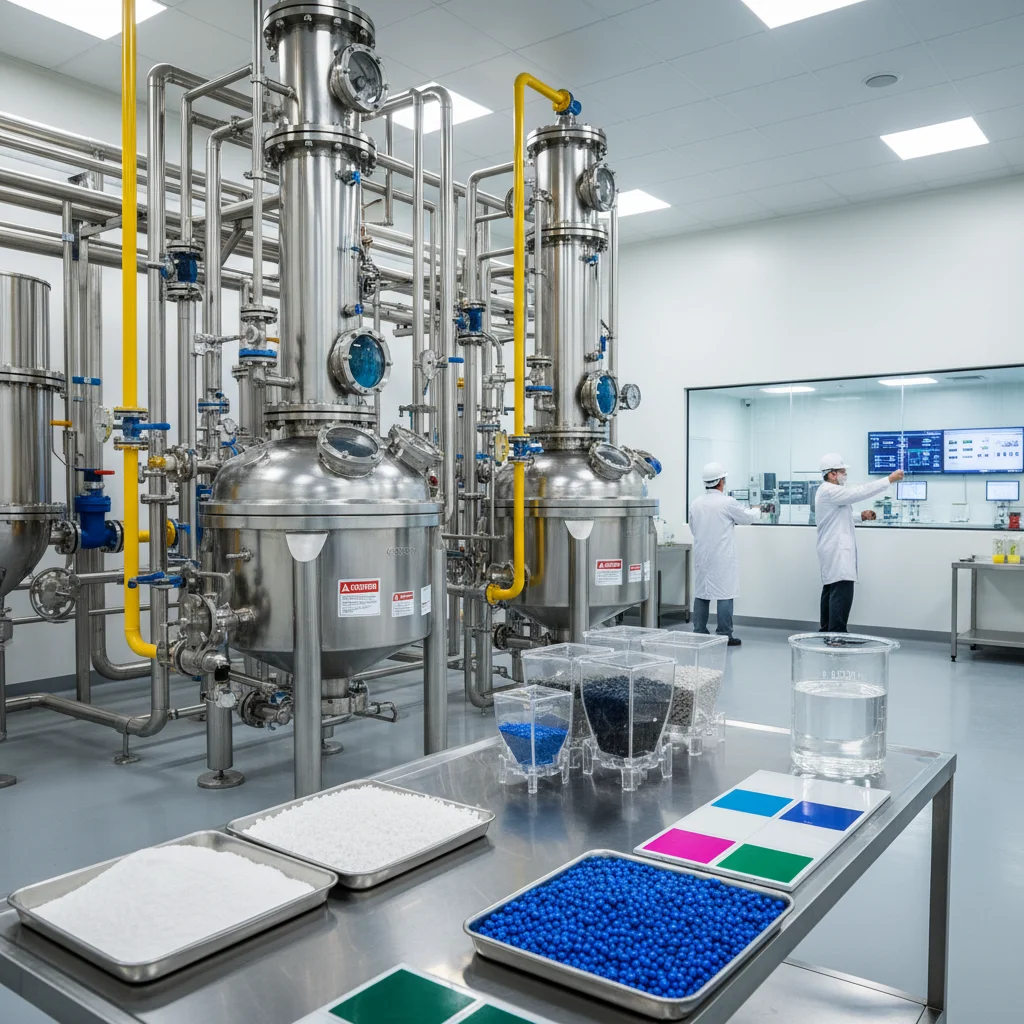
In the complex landscape of industrial chemistry, the demand for versatile intermediates continues to grow, driving the exploration of compounds like ammonium thiocyanate. As industries strive for higher efficiency in mineral processing and chemical synthesis, understanding the role of specific salts and amides becomes crucial for optimizing production cycles and ensuring product purity.
The global market for specialty chemicals is increasingly focused on the synergy between different reagents to achieve superior performance in niche applications. Whether it is the development of advanced corrosion inhibitors or the synthesis of complex surfactants, the integration of stable chemical precursors allows manufacturers to scale their operations while maintaining strict quality controls.
Among these essential materials, ammonium thiocyanate serves as a critical reference point for those seeking high-solubility inorganic salts, while complementary organic agents like N,N-DIMETHYLDECANAMIDE (ADMA) provide the necessary functional properties for bactericides and flotation agents.

Global Industry Context of ammonium thiocyanate
The global chemical industry is currently navigating a transition toward more sustainable and specialized production methods. The role of ammonium thiocyanate and related chemical intermediates is pivotal in this shift, as they support a wide array of downstream products ranging from textile auxiliaries to advanced agricultural chemicals.
Statistically, the demand for thiocyanate-based compounds is closely tied to the growth of the mining and pharmaceutical sectors. As ISO standards for purity and environmental impact become more stringent, the industry is forced to innovate the synthesis of these reagents to minimize waste while maximizing the efficacy of the final application.
Definition and Meaning of ammonium thiocyanate
In simple chemical terms, ammonium thiocyanate is an inorganic salt composed of ammonium and thiocyanate ions. It is widely recognized for its high solubility in water and its ability to act as a precursor in various organic syntheses. In the context of industrial manufacturing, it represents a bridge between raw mineral extraction and the creation of refined chemical products.
Beyond its basic formula, this compound is essential for modern humanitarian and industrial needs, particularly in the production of materials that protect infrastructure from degradation. When used alongside specialty amides, it helps in creating environments where metal corrosion is inhibited and microbial growth is controlled, ensuring the longevity of industrial equipment.
Understanding the behavior of ammonium thiocyanate allows chemists to manipulate reaction kinetics in the preparation of quaternary ammonium salts and other derivatives. This versatility makes it a staple in laboratories and factories that prioritize flexible chemical building blocks for high-performance outputs.
Core Components and Technical Factors
The efficacy of ammonium thiocyanate in industrial processes is primarily determined by its purity and crystalline structure. High-grade purity ensures that there are no interfering ions during the synthesis of derivatives, which is critical when producing high-end bactericides or mineral flotation agents.
Another key factor is the solubility and stability of ammonium thiocyanate across different temperature ranges. This scalability allows it to be integrated into various liquid formulations without precipitating, ensuring a consistent concentration of the active reagent throughout the reaction vessel.
Cost efficiency is also a driving force in the selection of this compound. Because it can be produced through streamlined industrial routes, it provides a reliable and economical alternative to more expensive thiocyanate salts, making it an ideal choice for large-scale applications in the textile and metallurgy sectors.
Global Applications and Use Cases
The real-world application of ammonium thiocyanate spans several continents, with heavy usage in the mining hubs of South America and the industrial zones of Asia. In mineral flotation operations, it is used to separate valuable ores from waste rock, a process that is fundamental to the global supply of copper and gold.
In more specialized settings, such as the preparation of quaternary ammonium salts and oxamides, this compound acts as a vital intermediate. For instance, in remote industrial zones where water treatment is critical, derivatives based on these chemicals are used to produce efficient bactericides that prevent biofilm buildup in cooling towers.
Efficiency Comparison of ammonium thiocyanate Derivatives
Long-Term Value and Advantages
The long-term value of incorporating ammonium thiocyanate into a production line lies in its reliability and chemical stability. For companies focusing on the synthesis of dodecyl betaine or other surfactants, the use of this compound ensures a predictable yield, reducing the risk of batch failure and lowering overall operational costs.
Furthermore, there is a significant logical advantage in its sustainability profile compared to more toxic alternatives. By providing a safe and effective means of producing corrosion inhibitors, it enhances the safety of workers and the integrity of the environment, fostering trust between chemical manufacturers and regulatory bodies.
Future Trends and Innovations
Looking forward, the integration of digital transformation and automation is set to revolutionize how we synthesize ammonium thiocyanate. AI-driven reaction monitoring allows for real-time adjustments in temperature and pressure, ensuring that the resulting salts meet the highest possible purity standards with minimal energy consumption.
Green chemistry is another major trend, with research focusing on the bio-based production of thiocyanate precursors. By shifting away from traditional petrochemical routes, the industry can create a more circular economy, where the production of ammonium thiocyanate aligns with global carbon neutrality goals.
Additionally, the development of new catalysts is enabling the creation of more complex derivatives, such as advanced quaternary ammonium salts, which offer superior antimicrobial properties. These innovations are expected to expand the compound's utility in high-tech medicine and aerospace materials.
Challenges and Strategic Solutions
One of the primary challenges in the use of ammonium thiocyanate is its sensitivity to moisture and environmental degradation during storage. Improper handling can lead to clumping or purity loss, which directly impacts the quality of the resulting mineral flotation agents or bactericides.
To overcome this, industry experts recommend the implementation of vacuum-sealed packaging and climate-controlled warehousing. By utilizing advanced desiccant technology, manufacturers can maintain the chemical integrity of the salt from the point of production to the point of use.
Another hurdle is the management of waste streams containing thiocyanate ions. The solution lies in adopting innovative wastewater treatment technologies, such as advanced oxidation processes (AOPs), which break down these compounds into harmless byproducts, ensuring that ammonium thiocyanate can be used without compromising ecological health.
Comprehensive Analysis of ammonium thiocyanate Industrial Performance
| Application Area |
Efficiency Score |
Stability Level |
Cost-Effectiveness |
| Mineral Flotation |
9.2 |
High |
Excellent |
| Corrosion Inhibition |
8.5 |
Medium |
Good |
| Bactericide Synthesis |
8.8 |
High |
Good |
| Quaternary Salts |
9.5 |
Very High |
Moderate |
| Textile Processing |
7.0 |
Medium |
Excellent |
| Organic Intermediates |
8.2 |
High |
Good |
FAQS
Ammonium thiocyanate offers a unique balance of high solubility and specific ionic interaction with mineral surfaces. This allows for a more precise separation of target metals from gangue minerals, increasing the overall recovery rate and purity of the extracted ore while remaining more cost-effective than specialized organic collectors.
It serves as a key precursor for the synthesis of various antimicrobial derivatives. By reacting with other agents, it helps form quaternary ammonium salts, which are widely used as potent bactericides in industrial water cooling systems to prevent the growth of hazardous biofilms and algae.
While the compound is chemically stable, it is hygroscopic, meaning it absorbs moisture from the air. To ensure long-term stability, it must be stored in airtight, moisture-proof containers in a cool, dry environment to prevent caking and maintain its chemical purity for synthesis.
Yes, it is an essential building block for creating metal corrosion inhibitors. Its derivatives can form protective films on metal surfaces, preventing oxidation and chemical attack, which is critical for protecting infrastructure in harsh industrial environments like oil rigs or chemical plants.
The primary concern is the management of thiocyanate ions in wastewater. However, by using advanced oxidation processes (AOPs) and biological treatment plants, these ions can be efficiently degraded into nitrogen and sulfur compounds, making the process environmentally sustainable if managed correctly.
The best way to ensure purity is to source the material from certified manufacturers who adhere to ISO quality standards. Requesting a detailed Certificate of Analysis (CoA) and using analytical techniques like HPLC or titration can verify that the ammonium thiocyanate meets your specific purity requirements.
Conclusion
In summary, ammonium thiocyanate stands as a versatile and indispensable tool in the modern chemical industry, facilitating everything from efficient ore extraction to the synthesis of critical bactericides and corrosion inhibitors. Its ability to act as a reliable intermediate for quaternary ammonium salts and other derivatives ensures that it remains at the core of high-performance industrial chemistry.
As the industry moves toward a future defined by green chemistry and digital precision, the strategic application of this compound will continue to evolve. By focusing on purity, sustainable waste management, and innovative synthesis routes, manufacturers can unlock new levels of efficiency and reliability in their chemical portfolios. Visit our website: www.hbjrain.com