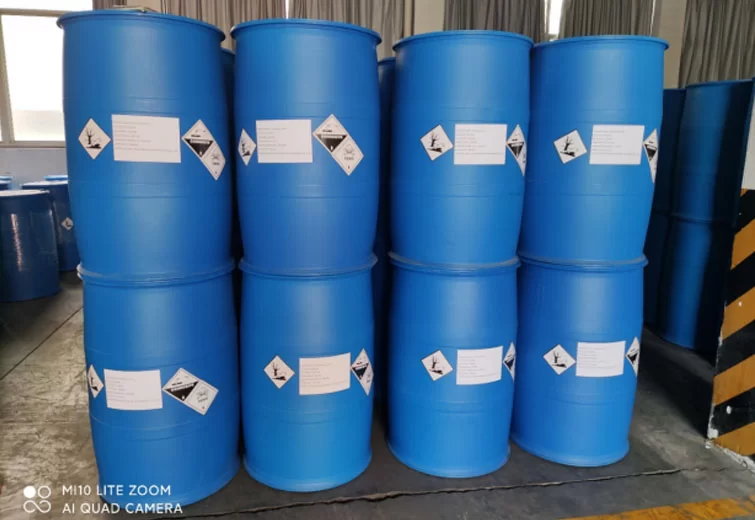
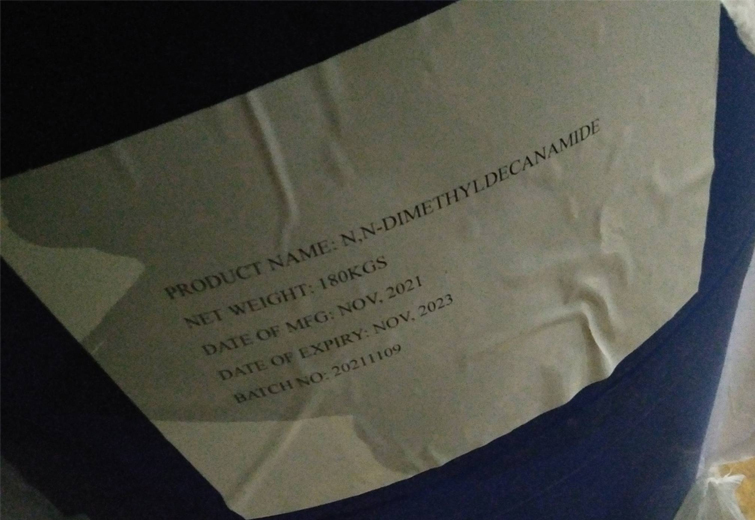
Advanced Belarus Crop Growth Solutions with Uniconazole

Optimizing agricultural yields in the Belarusian climate through precision plant growth regulators and comprehensive regulatory compliance.

Advanced Belarus Crop Growth Solutions with Uniconazole

Providing high-purity plant growth regulators and expert Registration Support to navigate the complex agrochemical landscape of Belarus.

Agrochemical Landscape in Belarus

Analyzing the intersection of continental climate and chemical regulatory demands.

Belarus presents a unique agricultural environment characterized by a moderate continental climate and fertile podzolic soils. The local industry is currently shifting from broad-spectrum applications to targeted growth regulation, increasing the demand for specialized agents like Thidiazuron to manage crop senescence and yield quality.

However, the Belarusian market is heavily influenced by strict Eurasian Economic Union (EAEU) standards. This creates a significant barrier for new entrants, making the availability of a validated GLP Report essential for any product attempting to enter the local commercial pipeline.

Furthermore, the focus on potato and cereal production in the region has led to a surge in the application of rooting agents such as Indole-3-butyric acid to ensure robust plant establishment during the short, intense growing seasons typical of the Belarus region.
Evolution of Plant Growth Regulation in Belarus

From traditional fertilization to molecular precision in Belarus agriculture.

Market Development History

During the 1990s and early 2000s, the Belarusian agrochemical sector relied primarily on basic mineral fertilizers and early-generation herbicides. Growth regulation was rudimentary, focusing on simple hormonal applications without precise dosage controls.

By 2010, the transition toward "Precision Farming" began. This era saw the introduction of systemic regulators like Uniconazole, which allowed farmers to control plant height and lodging in cereal crops, significantly reducing harvest losses.

From 2018 to the present, the focus has shifted toward regulatory harmonization. The requirement for international-standard data has made Registration Support the primary driver for market entry, ensuring that all chemical inputs meet rigorous safety and environmental benchmarks.

Future Development Trends

Biological-Chemical Synergies

Integration of synthetic regulators with bio-stimulants to reduce the total chemical load while maintaining high efficacy in Belarus's specific soil types.

Digital Application Mapping

The adoption of variable-rate application (VRA) technology, ensuring that regulators are applied only where physiological stress is detected via satellite imagery.

Stringent Eco-Toxicity Standards

A move toward zero-residue chemicals, necessitating updated GLP Report documentation to prove minimal impact on the local Belarusian biodiversity.

Industry Outlook and Strategic Forecast

Predicting the trajectory of chemical manufacturing for the Belarus market.

Regulatory Synchronization
Alignment with EAEU regulations will accelerate the acceptance of global GLP Report standards across Belarus.
Climate-Adaptive Chemistry
Development of regulators specifically formulated for the high-humidity, low-temperature windows of the Belarus spring.
Precision Rooting Tech
Increased utilization of Indole-3-butyric acid in high-value nursery crops for export.
Automated Compliance
AI-driven Registration Support to reduce time-to-market for new active ingredients.

Industry Outlook

Over the next 3-5 years, the Belarus agrochemical market will likely see a shift toward "low-dose, high-efficacy" formulations. Google search trends indicate a rising interest in sustainable growth regulators that minimize soil runoff, suggesting a move away from legacy chemicals toward precision-engineered molecules.

The integration of global quality standards will remain the dominant trend. Companies that can provide seamless documentation and verified laboratory reports will capture the majority of the professional farming segment, as Belarusian agricultural enterprises seek stability and predictable yields.

Local Application Scenarios in Belarus

Tailored strategies for the specific agricultural needs of the Belarus region.

1. Cereal Lodging Control in Central Belarus

Using Uniconazole to shorten the internode length of wheat and barley, preventing lodging during heavy rain periods in the Minsk and Gomel regions.

2. Root Induction for Potato Seedlings

Applying Indole-3-butyric acid during the propagation of seed potatoes to ensure rapid root development and higher survival rates in podzolic soils.

3. Cotton/Ornamental Defoliation Management

Implementing Thidiazuron in specialized greenhouse operations within Belarus to control leaf drop and optimize the harvesting window for floral exports.

4. Regulatory Pathway Optimization

Leveraging comprehensive Registration Support to align product labels with Belarusian national standards and EAEU safety requirements.

5. Environmental Safety Validation

Utilizing a certified GLP Report to secure fast-track approvals for bio-rational fungicides and growth regulators in sensitive eco-zones.

Brand Story

Global Development Journey of Hebei Jiarun Technology Co., Ltd.

Founding Vision

Established with the mission to bridge the gap between high-end chemical synthesis and practical field application in global agriculture.

Technical Breakthroughs

Developing proprietary purification processes for plant growth regulators, ensuring purity levels that meet the strictest international standards.

Global Regulatory Expansion

Building a robust framework for global compliance, specializing in the provision of critical data and support for complex markets.

European Market Penetration

Expanding our footprint into Eastern Europe and Belarus by providing localized solutions and verified scientific reporting.

Sustainable Future

Committing to the "Green Chemistry" initiative, reducing environmental impact while maximizing food security through precision agrochemicals.

Comprehensive Product Portfolio for Belarus

A curated selection of high-performance chemicals and regulatory services for the Belarusian market.

Belarus Agrochemical FAQ

Expert answers to common technical and regulatory questions in Belarus.

How does Uniconazole affect cereal yields in Belarus?

It reduces vegetative growth and prevents lodging, which is critical during the stormy Belarusian summer, thereby ensuring higher recoverable yields per hectare.

What is the importance of a GLP Report for Belarus registration?

A GLP (Good Laboratory Practice) report is a mandatory requirement to prove the safety, efficacy, and toxicity profiles of the active ingredient according to EAEU laws.

Can Indole-3-butyric acid be used in Belarus's cold spring?

Yes, it is highly effective for stimulating root growth in cuttings and seedlings, helping plants establish themselves quickly despite the low soil temperatures.

What does Registration Support include for the Belarusian market?

It includes dossier preparation, local language translation, technical communication with regulatory bodies, and the submission of efficacy trial data.

When should Thidiazuron be applied in greenhouse crops?

It should be applied during the late growth phase to manage senescence and enhance the aesthetic quality of the crop before the harvesting window.

Are these growth regulators compatible with standard Belarusian fertilizers?

Most are compatible, but we recommend a compatibility test or utilizing our technical support to avoid precipitation or antagonistic reactions in the tank mix.

Get Expert Agrochemical Support

Partner with us to optimize your crop protection and growth strategies across Belarus.

Contact Us Now

If you are interested in our products, you can choose to leave your information here, and we will be in touch with you shortly.