Advanced Crop Growth Solutions with Uniconazole for Iran's Agriculture

Optimizing plant development and regulatory compliance across the Iranian plateau with high-purity plant growth regulators and comprehensive technical dossiers.

Advanced Crop Growth Solutions with Uniconazole for Iran's Agriculture

We provide high-performance chemical synthesis and strategic Registration Support to ensure your agrochemical products meet the stringent requirements of the Iranian Ministry of Agriculture Jihad.

Agricultural Chemical Landscape in Iran

Navigating the complexities of arid climate farming and regulatory hurdles in the Middle East.

Iran's agricultural sector faces extreme challenges due to water scarcity and saline soils, particularly in the central plateau. To maintain crop yields, there is an increasing reliance on precision chemicals like Thidiazuron to manage defoliation and growth patterns in cotton and other commercial crops.

The regulatory environment in Iran is becoming increasingly rigorous. Importers and local manufacturers are now required to provide comprehensive GLP Report documentation to prove the safety and efficacy of new active ingredients before they can be commercialized.

Furthermore, the shift towards high-value horticulture in provinces like Mazandaran has spiked the demand for rooting agents such as Indole-3-butyric acid, requiring a stable supply chain of technical-grade materials that meet international purity standards.
Evolution of Growth Regulators in Iran

From traditional organic stimulants to precision molecular engineering.

Market Development History

Prior to 2010, the Iranian market relied heavily on basic nitrogen-based stimulants and traditional hormones. The application was generalized, often lacking the precision required for specific growth stages of drought-resistant crops.

Between 2011 and 2018, the industry transitioned toward targeted synthesis. The introduction of specialized agents like Uniconazole allowed farmers to control plant height and reduce lodging, significantly increasing the efficiency of wheat and fruit orchards.

From 2019 to the present, the focus has shifted toward "Compliance-Driven Growth." The industry now emphasizes the necessity of Registration Support to navigate the evolving legal frameworks and environmental safety laws within the region.

Future Development Trends

Bio-Synthetic Integration

The next 3 years will see a merge between synthetic regulators and bio-stimulants to reduce chemical footprints while maintaining the efficacy of Indole-3-butyric acid in rooting.

Digital Dosage Precision

Integration of AI-driven application rates will replace blanket spraying, reducing the volume of Thidiazuron used per hectare to avoid phytotoxicity.

Standardized Toxicological Data

Search trends indicate a surge in demand for international certification, making the GLP Report the gold standard for market entry in Iranian ports.

Industry Trends and Future Outlook

Strategic forecasting for the Iranian agrochemical manufacturing sector.

Regulatory Harmonization
Alignment of Iranian registration dossiers with international GLP standards to facilitate faster import approvals.
Water-Saving Formulation
Developing highly concentrated SC and SL formulations to minimize water usage during application in arid zones.
Anti-Stress Hormones
Increasing use of growth regulators to mitigate heat stress and salinity impact on staple crops.
Green Chemistry Pivot
Transitioning toward low-toxicity active ingredients with rapid biodegradation profiles.

Industry Outlook

The Iranian agrochemical market is poised for a structural shift towards high-efficacy, low-dosage molecules. As the government pushes for "Agricultural Modernization," the demand for technical-grade growth regulators will grow by an estimated 4.5% CAGR.

Success in this region will be defined by the ability to provide not just the chemical, but the full Registration Support package, ensuring that products are legally compliant and scientifically validated for the local soil types.

Localized Application Scenarios in Iran

Practical deployment of growth regulators across diverse Iranian agricultural zones.

1. Pomegranate Orchard Growth Control in Yazd

Utilizing Uniconazole to regulate vegetative growth, reducing excessive shoot elongation and improving fruit set in arid desert environments.

2. Cotton Defoliation in Khuzestan

Application of Thidiazuron during the late growth stage to ensure uniform leaf drop, facilitating mechanical harvesting and improving fiber quality.

3. Greenhouse Ornamental Rooting in Alborz

Implementation of Indole-3-butyric acid for high-success rate cuttings in the floriculture sector, accelerating the propagation of export-grade flowers.

4. Cereal Lodging Prevention in Fars

Precision application of growth retardants to strengthen stem thickness in wheat, preventing lodging during erratic wind patterns in the highlands.

5. Regulatory Dossier Submission for New Actives

Providing a comprehensive GLP Report to the Iranian authorities to fast-track the approval of next-generation fungicides and plant regulators.

Brand Story

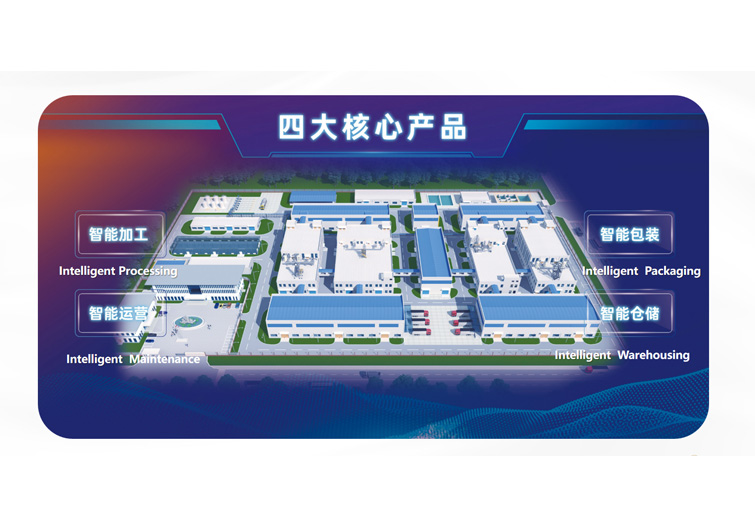
Global Development Journey of Hebei Jiarun Technology Co., Ltd.

Foundation of Excellence

Established as a specialist in chemical synthesis, focusing on solving the purity issues that plagued early-stage agrochemical production.

Technical Breakthroughs

Developed proprietary synthesis routes for plant growth regulators, ensuring a 99% purity rate for technical grade materials.

Global Market Expansion

Expanded footprints into Asia and the Middle East, tailoring products to the specific climatic needs of regions like Iran.

Regulatory Leadership

Integrated full-spectrum registration services, bridging the gap between manufacturing and government approval for global clients.

Sustainability Vision

Committing to green chemistry and the development of low-toxicity alternatives to protect global biodiversity and soil health.

Complete Product Portfolio for the Iranian Market

From high-purity technicals to comprehensive regulatory dossiers.

Common Questions in the Iranian Agrochemical Sector

Expert answers regarding registration and application of growth regulators.

How do I obtain Registration Support for new plant growth regulators in Iran?

We provide complete Registration Support by preparing the required toxicological data, efficacy trials, and dossiers tailored to the Iranian Ministry of Agriculture's guidelines.

Is a GLP Report mandatory for importing agrochemicals into Iran?

Yes, a GLP Report from a recognized laboratory is increasingly required to verify the safety profile and chemical stability of the product.

What is the best application rate for Uniconazole in fruit trees?

The rate for Uniconazole varies by species; however, we recommend precision dosing based on the vegetative stage to avoid over-stunting.

Can Thidiazuron be used for non-cotton crops in the Middle East?

While Thidiazuron is primarily used for cotton defoliation, it has specific applications in other industrial crops to manage senescence.

How does Indole-3-butyric acid improve rooting in saline soils?

By promoting rapid root initiation, Indole-3-butyric acid helps plants establish a stronger root system faster, which improves water uptake in saline conditions.

What are the stability requirements for technical grade regulators in Iran?

Stability must be proven under high-temperature conditions typical of the region, which is typically documented in the GLP Report.

Connect with our Technical Experts

Ready to optimize your crop yields in Iran? Contact us for high-purity chemicals and regulatory expertise.

Contact Us Now

If you are interested in our products, you can choose to leave your information here, and we will be in touch with you shortly.