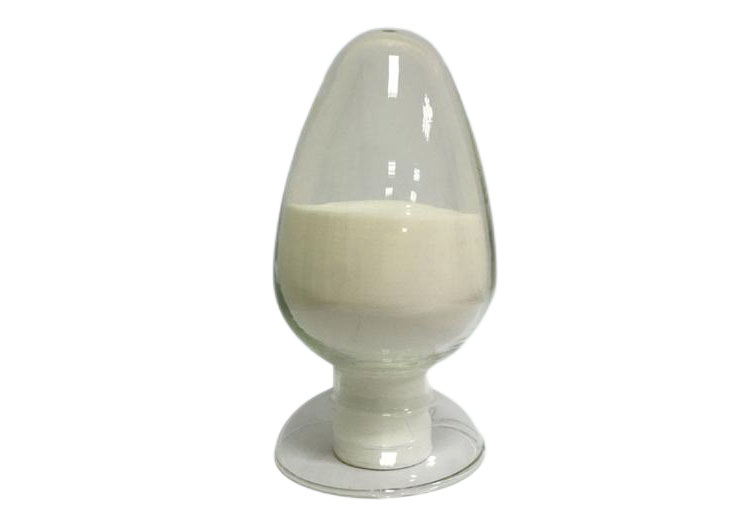
Advanced Plant Growth Solutions with Thidiazuron in Japan

Precision agriculture and regulatory compliance for the Japanese chemical manufacturing sector, ensuring sustainable crop yields and strict safety standards.

Advanced Plant Growth Solutions with Thidiazuron in Japan

Empowering Japanese growers and chemical distributors with high-purity plant growth regulators and comprehensive Registration Support to navigate the complex regulatory landscape of East Asia.

Agricultural Chemical Status in Japan

Balancing High-Efficiency Production with Strict Environmental Regulations

Japan's agricultural landscape is characterized by limited arable land and an aging farming population, leading to an urgent demand for high-efficiency plant growth regulators. The market is heavily regulated by the Ministry of Agriculture, Forestry and Fisheries (MAFF), making the availability of a valid GLP Report essential for any new chemical entry.

Current trends show a shift toward precision application of hormones like Uniconazole to manage crop height and prevent lodging in rice and ornamental plants, which is crucial given Japan's typhoon-prone climate.

Economic pressure has forced a transition from traditional bulk spraying to targeted, low-dosage applications. This evolution requires manufacturers to provide not just the active ingredient, but comprehensive technical dossiers to ensure compliance with Japan's rigorous safety and residue limits.
Evolution of Plant Growth Regulators in Japan

From Traditional Hormonal Application to Digital Precision Chemistry

Market Development History

In the 1980s and 1990s, the Japanese market relied heavily on basic synthetic auxins. The introduction of Indole-3-butyric acid revolutionized the nursery industry, allowing for more consistent rooting and propagation of high-value ornamental plants.

By the early 2000s, the focus shifted toward growth inhibition and stress management. The adoption of triazole-based regulators allowed farmers to optimize nutrient distribution, moving away from excessive nitrogen fertilization to reduce environmental runoff into Japan's water systems.

Since 2015, the trajectory has been defined by "Smart Agriculture." The integration of AI-driven dosage and the demand for highly purified technical grades have made high-standard manufacturing and regulatory documentation the primary competitive advantages.

Future Development Trends

Bio-Compatible Synergies

Increasing integration of synthetic regulators with organic biostimulants to meet Japan's "Green Food System Strategy" (Meidori strategy) for 2050.

Nanotechnology Delivery

Development of nano-encapsulated formulas to reduce volatility and improve the absorption rate of active ingredients, reducing the overall chemical load on the soil.

Automated Regulatory Tracking

A move toward digitized registration processes where real-time data from field trials is integrated directly into the registration dossiers for faster approval.

Industry Trends and Future Outlook

Navigating the Future of Agrochemical Innovation in Japan

Regulatory Stringency
Increased demand for comprehensive data sets and international standard reports to ensure market entry.
Precision Dosage
Shifting from broadcast application to drone-based precision spraying to minimize environmental impact.
Sustainable Chemistry
Priority on molecules with shorter half-lives and lower toxicity profiles to protect Japan's biodiversity.
Digital Dossiers
Accelerated transition to electronic submissions for registration and safety evaluations.

Industry Outlook

Based on search trends and government policy, the Japanese agrochemical market will increasingly prioritize "low-risk" active ingredients. Manufacturers who can provide seamless Registration Support will dominate the supply chain as the barrier to entry rises.

The future lies in the synergy between chemical purity and biological efficacy. We anticipate a surge in demand for hybrid formulations that combine growth regulators with micronutrients to combat the effects of climate change on Japanese crop cycles.

Localized Application Scenarios in Japan

Tailored Solutions for Japan's Unique Agricultural Needs

1. Rice Lodging Control in Northern Japan

Utilizing precise dosages of Uniconazole to reduce stem elongation in rice paddies, preventing crop collapse during the autumn typhoon season.

2. High-Value Bonsai and Ornamental Rooting

Application of Indole-3-butyric acid in professional nurseries to accelerate rooting and ensure the structural integrity of luxury bonsai exports.

3. Cotton Defoliation for Specialized Fibers

Implementing Thidiazuron for synchronized defoliation, enabling mechanical harvesting and improving fiber quality in regional cotton clusters.

4. Greenhouse Flower Height Management

Controlling the growth of chrysanthemums and lilies in Shizuoka greenhouses to optimize space and improve the aesthetic uniformity of the blooms.

5. Regulatory Approval for New Formulations

Leveraging a detailed GLP Report to secure rapid MAFF approval for new, low-residue pesticide formulations entering the Japanese market.

Brand Story

Global Development History of Hebei Jiarun Technology Co., Ltd.

Foundational Excellence

Established with a mission to bridge the gap between chemical synthesis and agricultural application, focusing on high-purity active ingredients.

Quality Standardization

Implementing rigorous international quality controls to ensure that every batch meets the exacting standards of the global agrochemical industry.

Regulatory Breakthroughs

Developing a specialized division for registration support, helping global clients navigate the complex legal frameworks of different regions.

Global Market Expansion

Expanding our footprint into the Asia-Pacific region, specifically tailoring products for the unique climatic conditions of Japan and Korea.

Future-Proofing Agriculture

Investing in R&D for sustainable plant growth regulators that maximize yield while minimizing the chemical footprint on the planet.

Complete Product Portfolio for the Japanese Market

Certified, High-Purity Agrochemicals and Regulatory Services

Common Questions for the Japanese Market

Expert Answers on Agrochemical Compliance and Application

How to obtain Registration Support for new plant regulators in Japan?

We provide full-cycle assistance, from preparing the technical dossier to coordinating with local agents for MAFF submission, ensuring all data meets Japanese legal requirements.

Is a GLP Report mandatory for chemical registration in Japan?

Yes, for most new active ingredients, a report from a GLP-certified laboratory is essential to prove safety, toxicity, and environmental impact according to OECD guidelines.

What is the optimal dosage of Uniconazole for rice crops in East Asia?

Dosage varies by variety, but precision application during the tillering stage is recommended to prevent lodging without compromising grain fill.

How does Thidiazuron compare to other defoliants for cotton?

It offers a more synchronized and cleaner defoliation process, reducing the need for multiple applications and improving the overall quality of the harvested fiber.

Can Indole-3-butyric acid be used in organic farming in Japan?

The use of synthetic auxins is strictly regulated in organic certifications. We recommend checking the specific JAS (Japanese Agricultural Standard) guidelines for your crop.

What are the lead times for importing regulated chemicals into Japan?

Lead times depend on the registration status. For already registered products, delivery is fast; for new entries, the registration process can take several months to years.

Get Expert Technical Support

Contact our specialists today to optimize your crop protection and registration strategy in Japan.

Contact Us Now

If you are interested in our products, you can choose to leave your information here, and we will be in touch with you shortly.