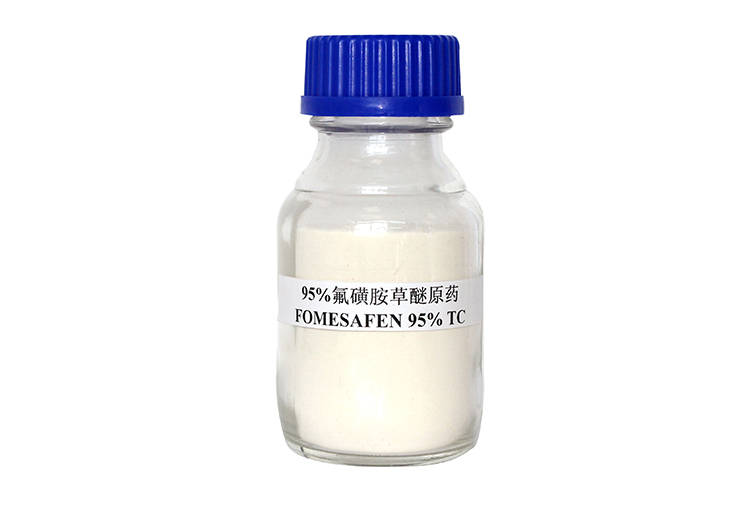
Advanced Agricultural Growth Solutions for Rwanda featuring Thidiazuron

Optimizing crop yields in the Land of a Thousand Hills through precision plant growth regulators and professional compliance services.

Advanced Agricultural Growth Solutions for Rwanda featuring Thidiazuron

We provide Rwanda's agricultural sector with high-purity growth regulators and comprehensive Registration Support to ensure seamless market entry and sustainable crop productivity.

Agricultural Chemical Landscape in Rwanda

Analyzing the intersection of volcanic soil fertility and regulatory challenges.

Rwanda's agriculture is characterized by diverse agro-ecological zones and a strong reliance on smallholder farming. The humid tropical climate provides an ideal environment for high-value crops, but it also necessitates the precise application of Uniconazole to manage plant height and prevent lodging in maize and cereal crops across the highlands.

Currently, the Rwandan market is transitioning from generic agrochemical use to specialized biological and chemical regulators. However, the stringent requirements for a GLP Report often pose a barrier for local distributors attempting to import high-efficacy plant growth regulators that meet international safety standards.

Economic growth in Rwanda is heavily tied to coffee and tea exports. The integration of Indole-3-butyric acid for rooting and vegetative propagation is becoming critical as the country seeks to modernize its nurseries and increase the survival rate of grafted seedlings.
Evolution of Crop Regulation Technology in Rwanda

From traditional fertilization to precision molecular regulation.

Market Development History

Between 2000 and 2010, the Rwandan market primarily relied on basic NPK fertilizers and broad-spectrum pesticides. The focus was on survival and basic yield, with very little application of specialized plant hormones or growth inhibitors.

From 2011 to 2020, there was a noticeable shift toward "intensive agriculture." The introduction of specialized agents like Thidiazuron allowed for better defoliation and maturity management in specific industrial crops, coinciding with the government's push for agricultural commercialization.

Since 2021, the focus has shifted toward regulatory compliance and E-E-A-T (Experience, Expertise, Authoritativeness, and Trustworthiness) in chemical sourcing. The demand for verified Registration Support has spiked as Rwanda aligns its pesticide laws with international standards to protect its biodiversity.

Future Development Trends

Precision Hormone Application

The shift toward nano-formulations of Indole-3-butyric acid will allow for lower dosage with higher absorption rates in Rwanda's unique volcanic soils.

Digital Regulatory Integration

Submission of the GLP Report will move toward digitized, blockchain-verified platforms to accelerate the approval process for new chemical entities.

Climate-Resilient Growth Control

Increased use of Uniconazole to create shorter, sturdier crops that can withstand the intensifying wind patterns and erratic rainfall in the Rift Valley region.

Industry Trends and Future Outlook

Strategizing for the next generation of agrochemical manufacturing.

Regulatory Synchronization
Aligning local Rwandan standards with EU and FAO guidelines to streamline the import of high-purity chemicals.
Bio-Stimulant Hybridization
Combining traditional synthetic regulators with organic bio-stimulants to improve soil health in Rwanda.
Targeted Dose Optimization
Moving from blanket application to drone-assisted spot spraying of growth inhibitors.
Sustainable Chemistry
Developing biodegradable delivery systems to prevent residue buildup in Rwandan water tables.

Industry Outlook

The Rwanda agrochemical market is projected to grow as the country expands its horticulture exports to Europe. The reliance on high-quality GLP Report verified products will become the standard for any manufacturer wishing to maintain long-term market access.

We expect a 15% annual increase in the demand for specific growth regulators as Rwandan farmers shift toward precision agriculture, prioritizing quality and export-grade standards over raw volume.

Localized Application Scenarios in Rwanda

Real-world solutions for Rwandan agro-ecological challenges.

1. Coffee Nursery Rooting Optimization

Using Indole-3-butyric acid to enhance the root system of Arabica coffee cuttings, ensuring higher survival rates during transplantation in the Northern Province.

2. Maize Lodging Control in Highlands

Applying Uniconazole to reduce internode length in maize, preventing crop collapse during heavy wind seasons in Rwanda's mountainous terrain.

3. Cotton Defoliation Management

Utilizing Thidiazuron for controlled leaf drop in cotton crops, streamlining the mechanical harvesting process for industrial farmers.

4. Regulatory Compliance for New Imports

Providing comprehensive Registration Support for foreign chemical entities to navigate the Rwanda Food and Drugs Authority (RFDA) guidelines.

5. Quality Assurance via GLP Documentation

Leveraging the GLP Report to prove the safety and efficacy of new fungicides in the Rwandan banana plantations, reducing environmental impact.

Brand Story

Global Development History of Hebei Jiarun Technology Co., Ltd.

Foundation of Excellence

Established with a vision to bridge the gap between complex chemical synthesis and practical field application in global agriculture.

R&D Breakthroughs

Invested heavily in the purity of plant growth regulators, mastering the stabilization of high-potency active ingredients.

Global Compliance Mastery

Developed a specialized team to handle international certifications, ensuring all products meet strict global safety standards.

Expansion into Africa

Tailored our chemical solutions to the specific soil and climatic conditions of East Africa, focusing on sustainable yield growth.

The Future of Green Chemistry

Committing to the development of eco-friendly formulations that empower farmers while protecting the planetary ecosystem.

Comprehensive Product Portfolio for the Rwandan Market

High-performance chemicals backed by technical expertise and regulatory documentation.

Common Questions for Rwanda Agricultural Chemicals

Expert answers to the most pressing regulatory and technical queries.

How to obtain Registration Support for new growth regulators in Rwanda?

Our experts provide end-to-end guidance, from dossier preparation to coordinating with the Rwandan regulatory authorities to ensure a fast approval process.

Why is a GLP Report essential for importing chemicals to Rwanda?

A Good Laboratory Practice (GLP) report proves that the safety and efficacy data were generated under a quality system, which is a mandatory requirement for many high-grade imports.

What is the best application rate for Uniconazole in Rwandan maize?

Application rates depend on the growth stage and soil type; typically, a low-concentration spray is applied during the early vegetative stage to control height.

Can Thidiazuron be used in Rwandan coffee plantations?

While primarily used for defoliation in other crops, its application in coffee must be strictly monitored and approved by local agricultural boards.

How does Indole-3-butyric acid improve nursery success in Rwanda?

It stimulates rapid root initiation in cuttings, which is vital for creating strong, disease-resistant seedlings before they are moved to the field.

Are these growth regulators compatible with organic farming in Rwanda?

These are synthetic regulators; for certified organic farming, specific natural alternatives should be used, though these chemicals are vital for commercial transition.

Contact Our Rwanda Specialist Team

Ready to optimize your crop productivity in Rwanda? Get expert technical advice and registration help today.

Contact Us Now

If you are interested in our products, you can choose to leave your information here, and we will be in touch with you shortly.