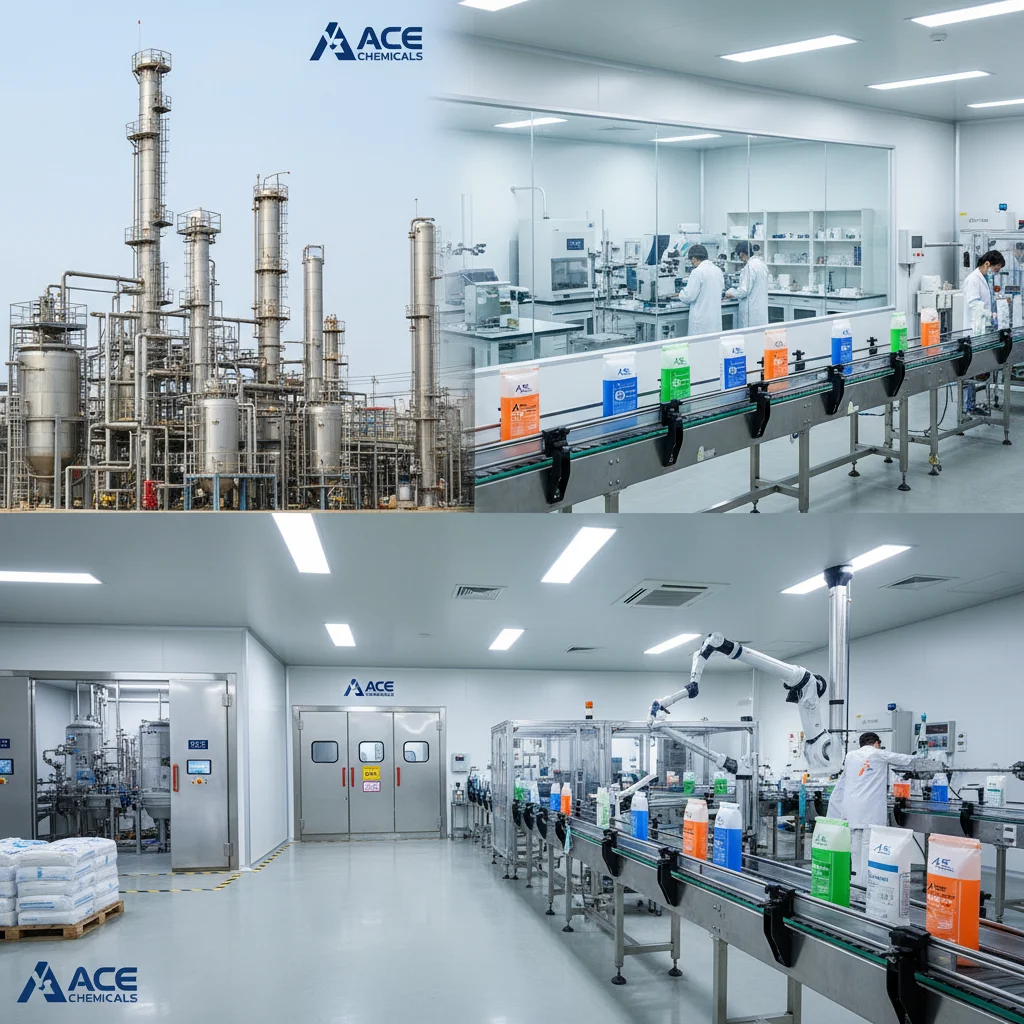
Look, I’ve spent the last fifteen years knee-deep in dust and concrete, watching things get built – from hospitals to highways. And let me tell you, a lot of the headaches we face aren’t about the design, they're about logistics. Getting the right materials, on time, in the right condition… it’s a constant battle. That’s where understanding adblue urea becomes absolutely critical. It’s not just some chemical formula; it’s about keeping projects moving, minimizing downtime, and frankly, keeping our air cleaner while we do it. We’re talking about reducing emissions from all the heavy machinery that powers modern construction.
The demand for cleaner, more efficient operations isn't just a trend, it's a regulatory reality. Emissions standards are tightening globally – the UN, the EPA, ISO standards… they’re all pushing for less pollution. But compliance isn’t enough; it needs to be practical. It needs to fit into the existing workflow. And that's where the real challenge lies. I’ve seen projects stalled because they couldn’t secure a reliable supply of adblue urea, or because the quality was inconsistent. It sounds simple, but it ripples through everything.
It’s not just construction, either. Think about logistics companies, trucking fleets, even agricultural machinery. Anything with a diesel engine is now reliant on this stuff. And the pressure to keep things running smoothly, legally and efficiently, is only increasing. Getting a handle on adblue urea – its storage, handling, and availability – is no longer a side issue. It’s a core component of keeping the world moving.
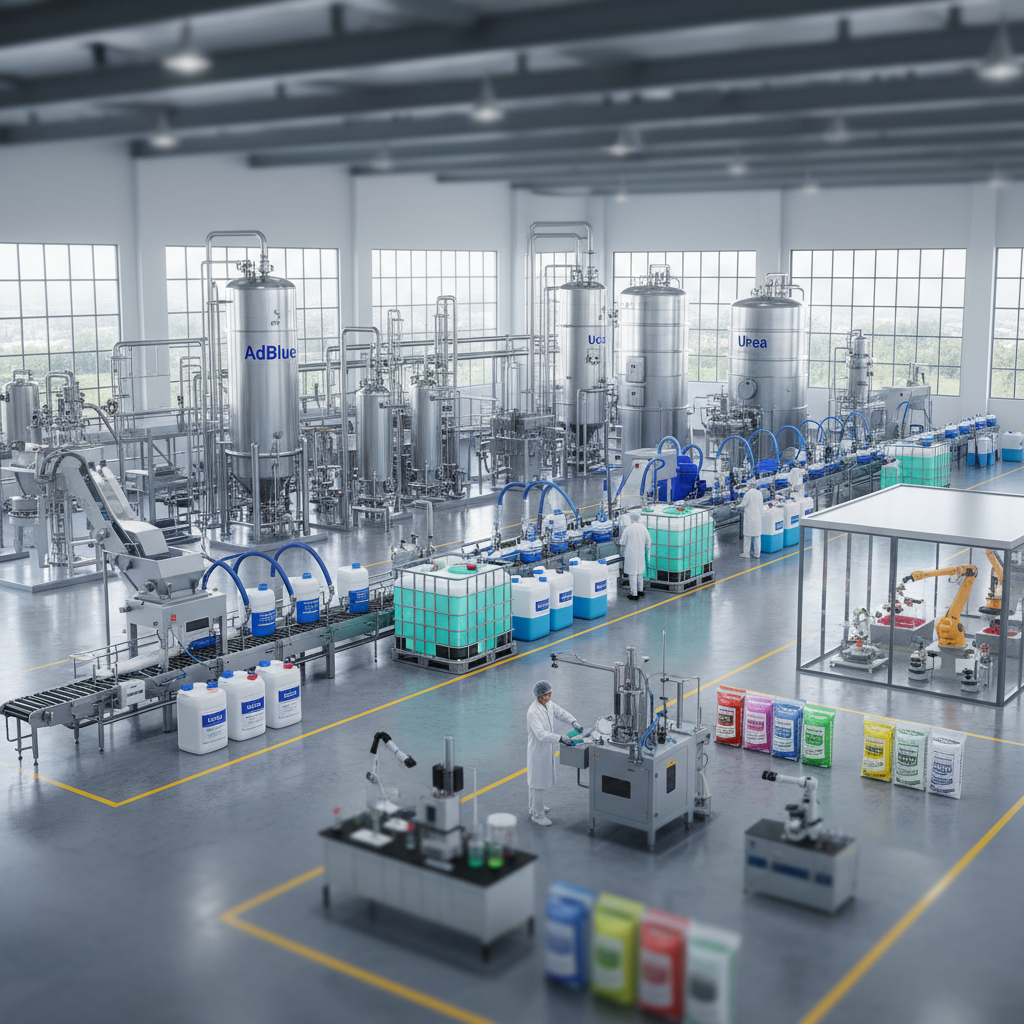
The Global Relevance of adblue urea
Honestly, it's hard to overstate how widespread this is. We’re talking about a global market driven by increasingly stringent emission regulations. The European Union's Euro 6 standards, the US EPA’s requirements, and similar policies in countries like China and India… they all rely on Selective Catalytic Reduction (SCR) technology, and adblue urea is the key ingredient. It’s not just about avoiding fines; it's about protecting air quality in major cities and industrial zones.
The International Organization for Standardization (ISO) has also played a role, establishing quality standards for adblue urea itself to ensure compatibility and effectiveness. Without these standardized specifications, we’d be dealing with a real mess. Imagine trying to run a fleet of trucks across Europe with varying qualities of solution – engines would fail, warranties would be voided, and we’d be back to square one.
Defining adblue urea: Beyond the Chemistry
Okay, so what is it, really? It’s a non-toxic solution – 32.5% high-purity urea dissolved in deionized water. Sounds simple enough, right? But the ‘high-purity’ part is critical. Impurities can damage the SCR catalyst, rendering it useless and leading to expensive repairs. It’s not just fertilizer, even though urea is used in agriculture. This is a specifically manufactured product designed for emission control.
Its purpose is to reduce nitrogen oxides (NOx) – those harmful pollutants that contribute to smog and acid rain. The SCR system sprays adblue urea into the exhaust stream, where it reacts with the NOx, converting them into harmless nitrogen and water. It's a clever piece of engineering, but it relies on a consistent supply of quality fluid.
You can think of it as the modern equivalent of a catalytic converter, but instead of just reducing hydrocarbons and carbon monoxide, it targets NOx. It’s become indispensable for meeting emission standards in everything from heavy-duty trucks and buses to construction equipment and even some passenger vehicles.
Core Components: Ensuring Quality and Supply
The biggest factors, from my perspective, are purity, storage, and availability. Purity is non-negotiable. You need a reliable supplier who can guarantee the solution meets ISO 22241 standards. Storage is tricky because adblue urea can freeze at lower temperatures, but it doesn’t lose its effectiveness when thawed. However, repeated freeze-thaw cycles can compromise its quality, so proper tank insulation and heating are essential.
Then there’s the supply chain. I’ve seen projects grind to a halt because a supplier couldn't deliver on time. It's not enough to have a source; you need a dependable logistics network. This includes proper transportation, bulk storage facilities, and efficient distribution channels. Having multiple suppliers is smart, but even then, you need to vet them thoroughly.
Finally, handling and dispensing are important. Adblue urea is corrosive, so proper handling procedures and compatible dispensing equipment are crucial to prevent damage to tanks and lines. Training personnel on correct handling practices is also a must.
Practical Applications Across Industries
As I mentioned, it's not just construction. The trucking industry is heavily reliant on adblue urea to meet emission standards. Long-haul fleets are particularly vulnerable to supply disruptions, so they often maintain their own storage facilities and logistics networks.
Agricultural machinery – tractors, combines, sprayers – increasingly require adblue urea. This is especially true for large-scale farming operations. Mining companies use heavy-duty equipment that generates significant emissions, making adblue urea a critical component of their environmental compliance efforts. Even the rail industry is incorporating SCR technology in locomotives.
adblue urea Consumption by Industry (Estimated)
Advantages: Cost, Efficiency, and Sustainability
Let’s be real, adding adblue urea to the mix isn’t free. There's the cost of the fluid itself, the storage tanks, the dispensing equipment, and the ongoing maintenance. But when you factor in the potential fines for non-compliance and the increased fuel efficiency that SCR systems can provide, it often pays for itself.
More importantly, it’s about sustainability. Reducing NOx emissions isn't just about meeting regulations; it's about protecting the environment and public health. It’s a tangible step towards cleaner air and a healthier planet. And from a business perspective, demonstrating a commitment to sustainability can enhance your reputation and attract environmentally conscious customers.
Future Trends and Technological Advancements
We're seeing a push towards more sophisticated monitoring systems that can track adblue urea levels in real-time and predict refill needs. This helps prevent downtime and optimize logistics. There's also research into alternative reductant technologies, but adblue urea remains the dominant solution for now.
Digitalization is playing a big role – integrated supply chain management platforms that connect suppliers, distributors, and end-users. This creates greater transparency and efficiency. And with the rise of electric vehicles, the focus is shifting towards reducing emissions from the remaining diesel-powered equipment, making adblue urea even more critical in the transition.
The development of more concentrated adblue urea formulations could reduce storage requirements and transportation costs, but that requires careful consideration of compatibility and safety.
Challenges and Solutions in adblue urea Implementation
The biggest headache? Supply chain disruptions. Geopolitical events, natural disasters, even unexpected spikes in demand can create shortages. Having a diversified supplier base is key, but it's not always enough. Building strategic reserves can provide a buffer, but that comes with storage costs.
Another challenge is maintaining the quality of adblue urea during storage and transportation. Proper tank insulation, temperature control, and regular quality checks are essential. Investing in advanced monitoring equipment can help detect contamination early on.
Finally, there's the issue of cost. Fluctuations in urea prices can impact the price of adblue urea, making it difficult to budget accurately. Long-term supply contracts and hedging strategies can help mitigate this risk.
Summary of Solutions to adblue urea Implementation Challenges
| Challenge |
Impact |
Solution |
Implementation Score (1-10) |
| Supply Chain Disruptions |
Project Delays, Increased Costs |
Diversified Suppliers, Strategic Reserves |
8 |
| Quality Control |
Engine Damage, Warranty Issues |
ISO 22241 Compliance, Regular Testing |
9 |
| Storage Issues |
Freezing, Contamination |
Insulated Tanks, Temperature Monitoring |
7 |
| Price Volatility |
Budget Uncertainty |
Long-Term Contracts, Hedging |
6 |
| Handling & Dispensing |
Corrosion, Spillage |
Compatible Equipment, Proper Training |
7 |
| Regulatory Changes |
Compliance Costs |
Staying Informed, Proactive Adaptation |
8 |
FAQS
Generally, unopened adblue urea has a shelf life of about two years, but this can vary depending on storage conditions. Keeping it in a cool, dry, and dark place is crucial. Once opened, it's best to use it within a few months to prevent contamination. Regular testing is recommended to ensure quality.
While technically you can mix brands, it’s generally not recommended. Different manufacturers may use slightly different formulations or have minor variations in purity. Mixing could potentially lead to compatibility issues or reduce the effectiveness of the SCR system. It's best to stick with a single brand.
Signs of contamination can include a cloudy appearance, sediment at the bottom of the tank, or an unusual odor. Contamination can be caused by water, dust, or other chemicals. A simple test kit can be used to check the purity and quality of the solution. If you suspect contamination, do not use it!
Modern vehicles with SCR systems are designed to limit engine power or even prevent starting if the adblue urea tank is empty. This is to prevent excessive NOx emissions. Running out of adblue urea can also trigger a warning light on your dashboard. It’s crucial to keep the tank filled to avoid these issues.
For bulk storage, use a dedicated IBC (Intermediate Bulk Container) or a properly designed storage tank made of compatible materials. The tank should be opaque to prevent sunlight exposure, and insulated to protect against freezing. Regular monitoring of temperature and purity is also recommended.
While adblue urea isn't highly toxic, it's mildly corrosive and can cause irritation to skin and eyes. It's important to wear appropriate personal protective equipment (PPE) – gloves and eye protection – when handling it. Avoid contact with skin and eyes, and rinse thoroughly with water if contact occurs.
Conclusion
Ultimately, adblue urea isn’t just about ticking a box on a compliance checklist. It’s about building more sustainable and efficient operations across a wide range of industries. From construction sites to trucking fleets, this solution is playing a critical role in reducing emissions and protecting the environment. Understanding its nuances – quality control, storage, supply chain management – is essential for success.
Looking ahead, we'll likely see continued innovation in adblue urea monitoring and delivery systems. As regulations tighten and the demand for cleaner air grows, the importance of this technology will only increase. If you’re facing challenges with adblue urea implementation or are looking for a reliable supplier, visit our website: www.hbjrain.com.