0%

Table of Contents

Captaf fungicide price is a critical factor for farmers and agricultural businesses globally, influencing crop yields, profitability, and food security. Understanding the dynamics of captaf fungicide pricing requires consideration of various factors, including raw material costs, manufacturing processes, regulatory compliance, and market demand. Fluctuations in price can significantly impact farming practices, particularly in developing nations where access to affordable crop protection is essential.

The global fungicide market is substantial, driven by the need to protect crops from fungal diseases that can lead to significant economic losses. Captaf, while subject to regional restrictions and evolving regulations, remains a vital component in disease management strategies for specific crops. Accurate information regarding captaf fungicide price allows for better budgeting, planning, and sustainable agricultural practices.

Analyzing captaf fungicide price also provides insight into the broader chemical supply chain and the impact of geopolitical events on agricultural inputs. Transparency in pricing fosters trust between suppliers, distributors, and end-users, leading to a more stable and efficient agricultural sector.

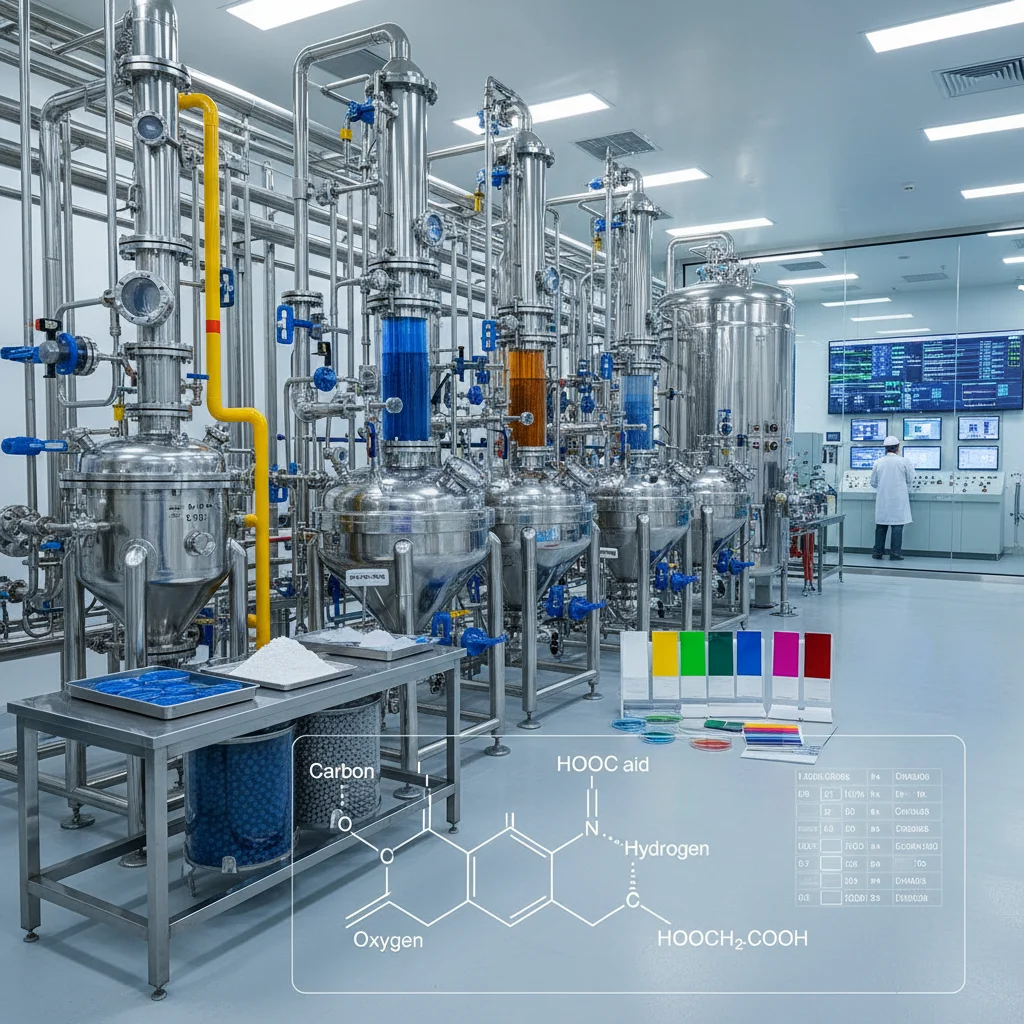
captaf fungicide price

The Relevance of Captaf Fungicide Price
captaf fungicide price

Captaf fungicide price isn’t just a number; it's a crucial indicator of the health of the agricultural economy. Understanding fluctuations in price allows farmers to make informed decisions regarding crop protection strategies, optimizing their investments for maximum return. The impact extends beyond individual farms, affecting national food security and international trade.

The ability to accurately forecast captaf fungicide price enables proactive planning for businesses involved in its distribution and formulation. This contributes to a more stable supply chain and reduces the potential for disruptions caused by unexpected price surges or shortages.

Defining Captaf Fungicide Price

Captaf fungicide price refers to the cost associated with acquiring captaf, a protective fungicide used to control a range of fungal diseases in crops like fruits, vegetables, and ornamentals. This price isn't static; it's influenced by several factors, including purity, formulation (e.g., wettable powder, suspension concentrate), packaging size, and the supplier’s location.

The listed price is often just the starting point. Additional costs like shipping, handling, import duties (where applicable), and taxes all contribute to the total cost borne by the end-user. It's crucial to consider these ancillary expenses when comparing prices from different sources.

Moreover, the price can vary significantly based on the quantity purchased. Bulk purchases usually receive discounted rates, while smaller quantities for individual farmers will typically command a higher price per unit.

Factors Influencing Captaf Fungicide Price

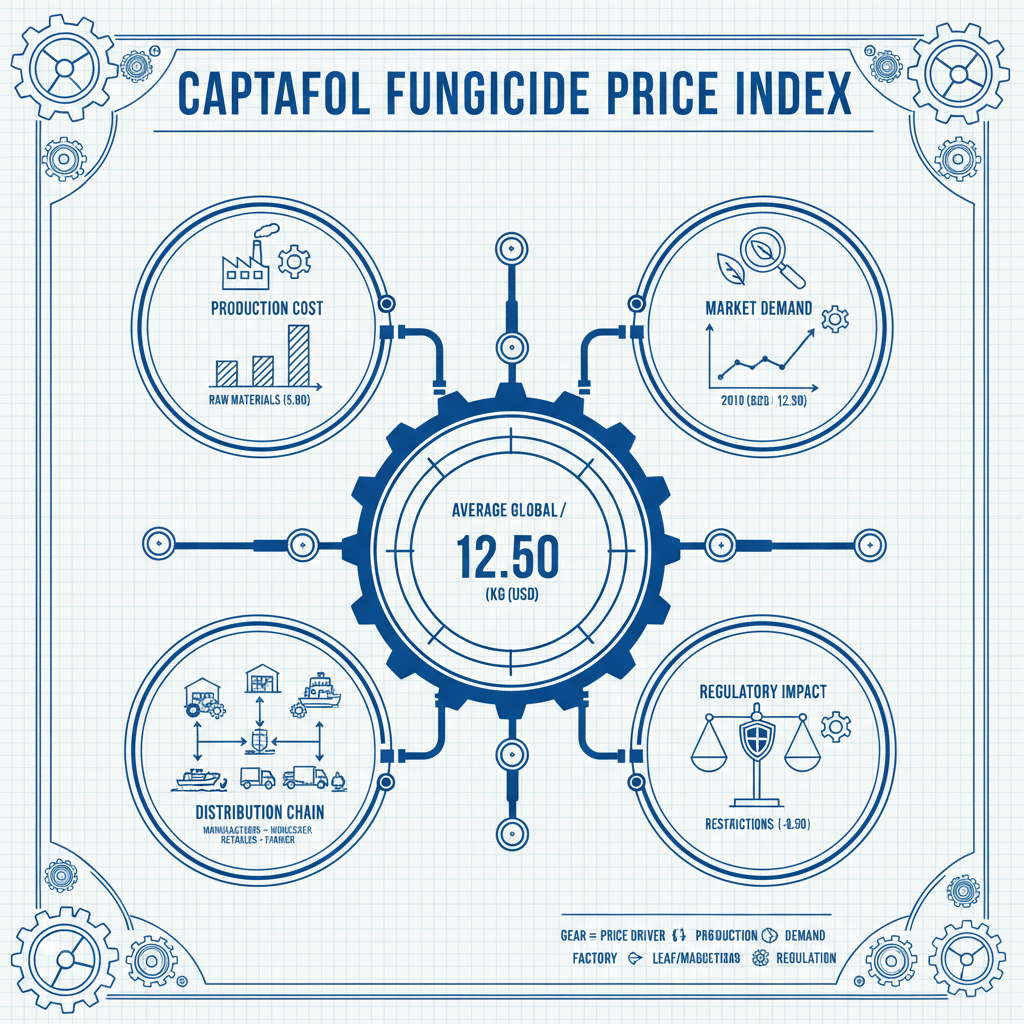
Raw material costs are a primary driver of captaf fungicide price. The price of the chemical precursors used in captaf synthesis directly impacts the final product's cost. Global supply chain disruptions and fluctuations in the cost of petroleum-based products can significantly affect these raw material prices.

Manufacturing costs, including labor, energy, and quality control measures, also contribute to the overall price. More efficient and technologically advanced manufacturing processes can help reduce these costs, potentially leading to lower captaf fungicide price for consumers. Regulatory compliance costs, driven by environmental and safety standards, are also a factor.

Market demand and competitive landscape play a crucial role. Higher demand, particularly during peak growing seasons or disease outbreaks, can drive prices upwards. The number of captaf manufacturers and distributors in a given region also influences price competition.

Global Captaf Fungicide Price Trends

Global captaf fungicide price has exhibited variability in recent years, influenced by a complex interplay of factors. Initial increases were noted due to supply chain constraints resulting from the COVID-19 pandemic, impacting the availability of raw materials and increasing transportation costs.

Regional variations in price are common, often reflecting differences in import duties, regulatory requirements, and local market conditions. Countries with stricter environmental regulations may face higher production costs, leading to higher captaf fungicide price for consumers.

Captaf Fungicide Price Comparison (USD/kg)

Regional Applications of Captaf and Price Variations

Captaf is predominantly used in regions cultivating fruits and vegetables susceptible to fungal diseases, such as apples, bananas, tomatoes, and potatoes. Major application areas include parts of South America, Asia, and some regions of Europe, where the climate favors fungal growth.

Price variations are significant across these regions. For example, captaf fungicide price in developing countries may be lower due to lower labor costs and less stringent regulatory requirements. However, limited access to foreign exchange and import restrictions can offset these savings.

Advantages of Understanding Captaf Fungicide Price

Knowing the current captaf fungicide price empowers farmers to negotiate better deals with suppliers, maximizing their purchasing power and reducing input costs. This translates to increased profitability and a more sustainable farming operation.

For businesses involved in the agricultural supply chain, understanding price trends facilitates better inventory management and risk assessment. Accurate price forecasting allows for strategic planning and optimized sourcing decisions.

Future of Captaf Fungicide Price and Alternatives

The future of captaf fungicide price is uncertain, dependent on evolving regulations, advancements in alternative disease control methods, and global economic conditions. Increasingly stringent environmental regulations may lead to higher production costs and potentially limit captaf’s availability.

The development and adoption of bio-fungicides and integrated pest management (IPM) strategies are expected to influence the demand for traditional chemical fungicides like captaf. These alternatives offer a more sustainable approach to disease control and could eventually lead to a decline in captaf usage and a corresponding change in price dynamics.

Continued monitoring of raw material costs, supply chain resilience, and the regulatory landscape will be crucial for accurately predicting future captaf fungicide price trends.

FAQS

What factors cause the biggest fluctuations in captaf fungicide price?

The most significant factors impacting captaf fungicide price include raw material costs (especially those derived from petroleum), global supply chain disruptions, changes in manufacturing regulations, and overall demand driven by disease pressure and growing seasons. Geopolitical events can also introduce volatility by affecting the availability and cost of essential precursors.

How can I find the best current captaf fungicide price?

To find the best current captaf fungicide price, it’s recommended to obtain quotes from multiple suppliers and distributors. Consider factors beyond just the base price, such as shipping costs, handling fees, and payment terms. Online agricultural marketplaces and industry-specific directories can also be valuable resources for price comparison.

Are there significant price differences between captaf formulations?

Yes, different captaf formulations (e.g., wettable powder, suspension concentrate) can vary in price. Suspension concentrates typically command a higher price due to their more refined manufacturing process and ease of application. The concentration of active ingredient also affects price; higher concentrations generally cost more per unit volume but require lower application rates.

How do import duties impact captaf fungicide price in different countries?

Import duties can significantly inflate the captaf fungicide price in countries that don't manufacture it domestically. These duties are levied as a percentage of the product's value and vary depending on trade agreements and national policies. Countries with free trade agreements often have lower or zero import duties, resulting in more competitive pricing.

What are the potential long-term trends affecting captaf fungicide price?

Long-term trends suggest potential increases in captaf fungicide price due to stricter environmental regulations and the rising cost of raw materials. The growing adoption of sustainable agricultural practices and alternative disease control methods, like bio-fungicides, could also influence demand and price dynamics. Supply chain resilience will also be a crucial factor.

Is there a relationship between captaf fungicide price and crop yields?

Yes, captaf fungicide price and crop yields are indirectly related. Affordable access to effective fungicides like captaf allows farmers to protect their crops from fungal diseases, leading to higher yields and reduced economic losses. Conversely, high fungicide prices can force farmers to reduce application rates or forgo treatment, potentially resulting in lower yields and diminished quality.

Conclusion

In conclusion, captaf fungicide price is a multifaceted issue driven by a complex web of factors. Understanding these influences – from raw material costs and manufacturing processes to regulatory hurdles and market dynamics – is essential for farmers, distributors, and policymakers alike. Accurate price forecasting and proactive planning are vital for ensuring sustainable agricultural practices and food security.

Looking ahead, continued innovation in disease control technologies and a commitment to sustainable agriculture will shape the future of captaf fungicide price. Embracing alternative solutions and promoting responsible fungicide use are crucial for minimizing environmental impact and maximizing the long-term benefits of crop protection. For the latest pricing and information, visit our website: captaf fungicide price.
David Miller

David Miller

David Miller serves as the Head of Market Development at HEBEI JRAIN TECHNOLOGY CO., LTD. With over 12 years of experience in the agrochemical industry, David specializes in identifying emerging market trends and forging strategic partnerships. He’s instrumental in expanding JRAIN TECH's reach within the Chinese domestic market and exploring opportunities for international growth. David holds a Bachelor’s degree in Agricultural Economics and a Master's in Business Administration. He frequently contributes to industry publications on topics related to crop protection and agricultural innovation. His deep understanding of ICAMA regulations and market dynamics makes him a key resource for clients seeking registration support. David is passionate about sustainable agriculture and believes JRAIN TECH’s solutions play a vital role in ensuring food security.
Previous Understanding Blue Copper Fungicide Price Trends and Market Dynamics
Next Comprehensive Guide to Insecticides PDF Documents and Responsible Pesticide Use

If you are interested in our products, you can choose to leave your information here, and we will be in touch with you shortly.