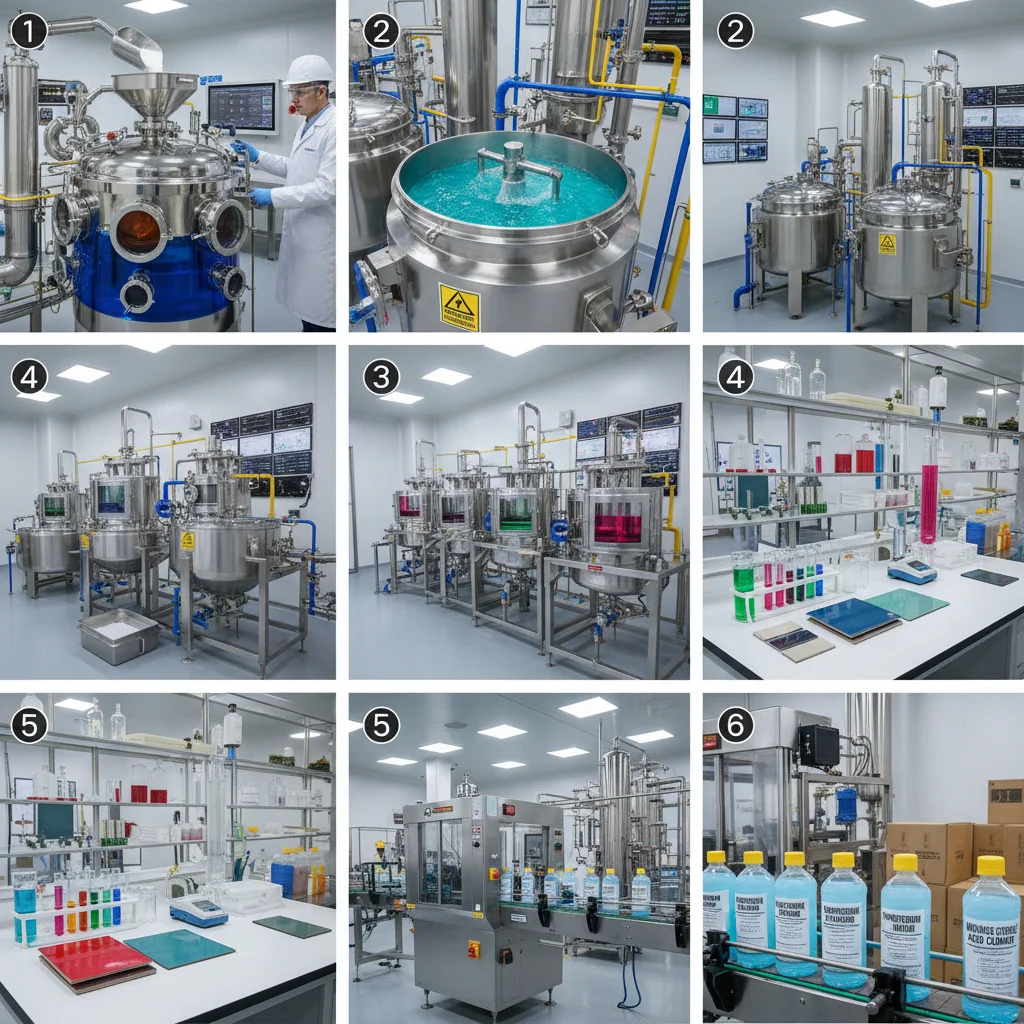
Sodium Hydroxide: A Comprehensive Guide for Industrial Applications
Sodium hydroxide (NaOH), also known as caustic soda, is a highly versatile and widely used chemical compound. It’s a crucial ingredient in numerous industrial processes, from manufacturing to water treatment. This article will delve into the properties, applications, safety considerations, and sourcing of sodium hydroxide, providing a comprehensive overview for professionals and businesses. Understanding its characteristics is paramount for effective and safe utilization.
Understanding the Properties of Sodium Hydroxide
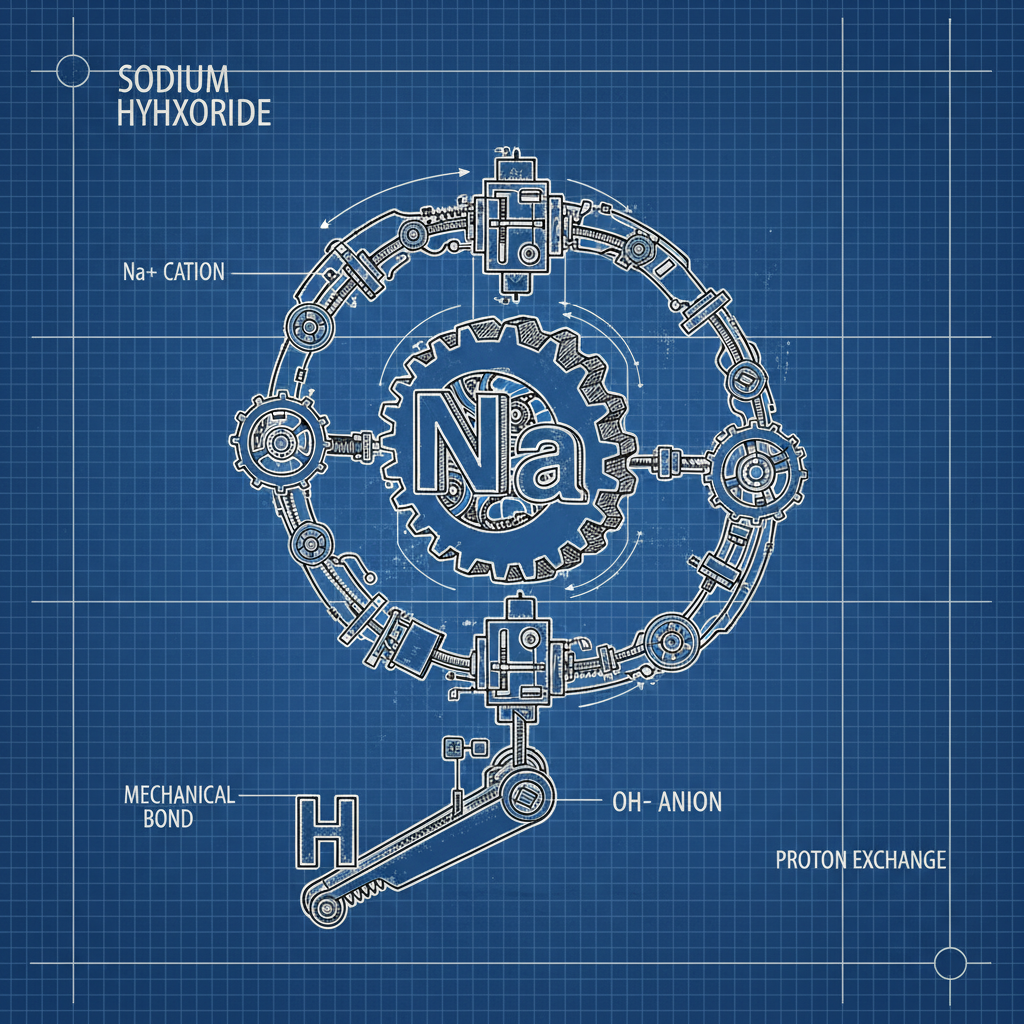
Sodium hydroxide is a white, solid ionic compound highly soluble in water. It's a strong base and generates substantial heat when dissolved – an exothermic reaction. This strong alkalinity is what makes it so valuable in various industrial processes. It’s typically available in different forms, including flakes, pellets, and solutions. Its hygroscopic nature means it readily absorbs moisture from the air, so proper storage is essential. The molecular weight of NaOH is approximately 40.00 g/mol.
Key Highlights: Highly soluble in water, strong base, exothermic dissolution, available in various forms (flakes, pellets, solutions), and hygroscopic.
Key Applications of Sodium Hydroxide Across Industries
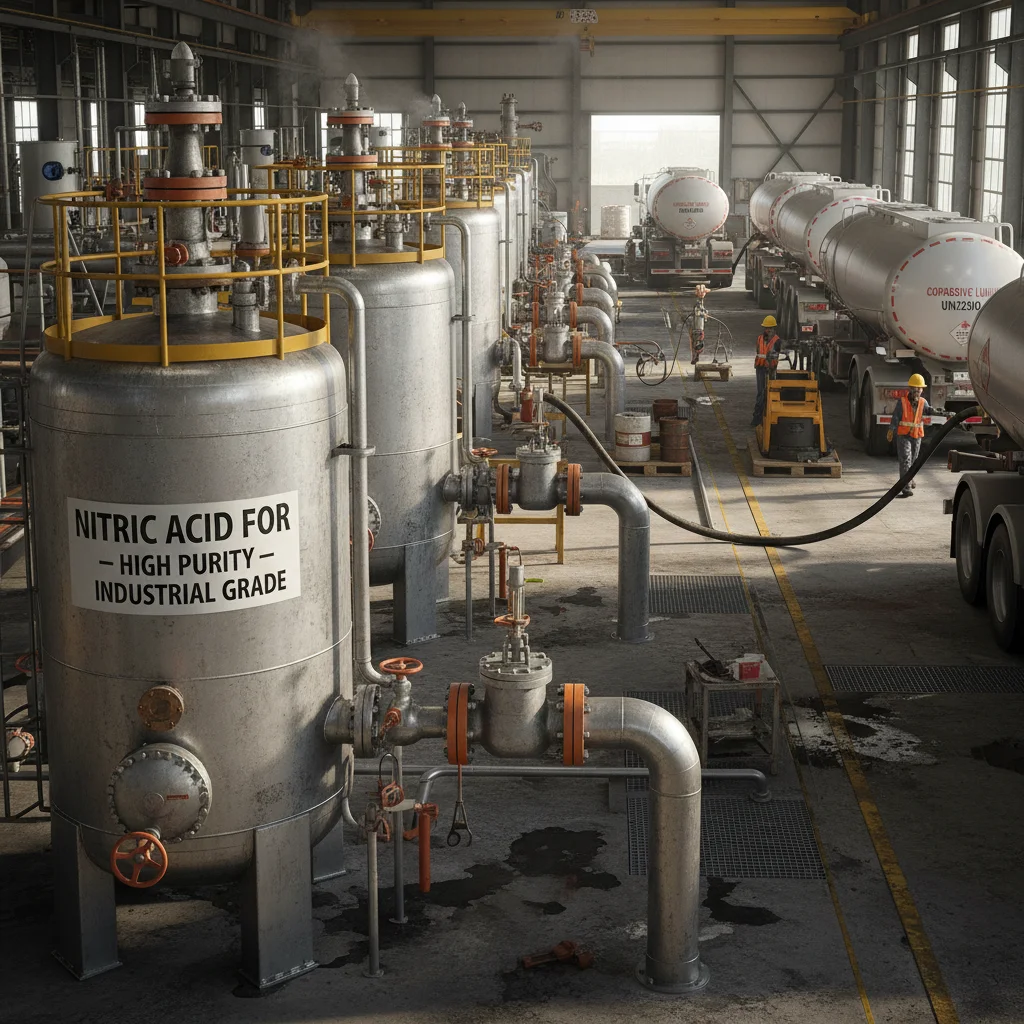
The applications of sodium hydroxide are incredibly diverse. In the pulp and paper industry, it's used for delignification of wood. The chemical industry utilizes it in the production of soaps, detergents, and various chemicals. Water treatment relies on it for pH adjustment and neutralization of acids. Furthermore, it finds use in the textile industry for mercerization of cotton, enhancing its strength and luster. It's also crucial in the aluminum production process and plays a role in biodiesel production.
Application Areas:
• Pulp and Paper
• Chemical Manufacturing
• Water Treatment
• Textile Industry
Sodium Hydroxide Grades and Specifications
Sodium hydroxide is available in various grades, each suited to specific applications. These grades are categorized by their purity and the levels of impurities present. Common grades include technical grade, industrial grade, and reagent grade. The specifications typically include the NaOH content (%), levels of sodium carbonate (Na2CO3), chloride (Cl-), iron (Fe), and other impurities. Choosing the appropriate grade is critical for ensuring optimal performance and avoiding unwanted side reactions.
Safety Considerations When Handling Sodium Hydroxide
Sodium hydroxide is a corrosive substance, and handling it requires strict adherence to safety protocols. Always wear appropriate personal protective equipment (PPE), including gloves, goggles, and a face shield. Avoid contact with skin and eyes. In case of contact, immediately flush the affected area with copious amounts of water and seek medical attention. Ensure adequate ventilation in the work area. Never add water to sodium hydroxide; always add sodium hydroxide slowly to water to avoid violent reactions and splashing. Proper storage in tightly sealed containers, away from incompatible materials, is crucial.
Sourcing High-Quality Sodium Hydroxide from a Reliable Supplier
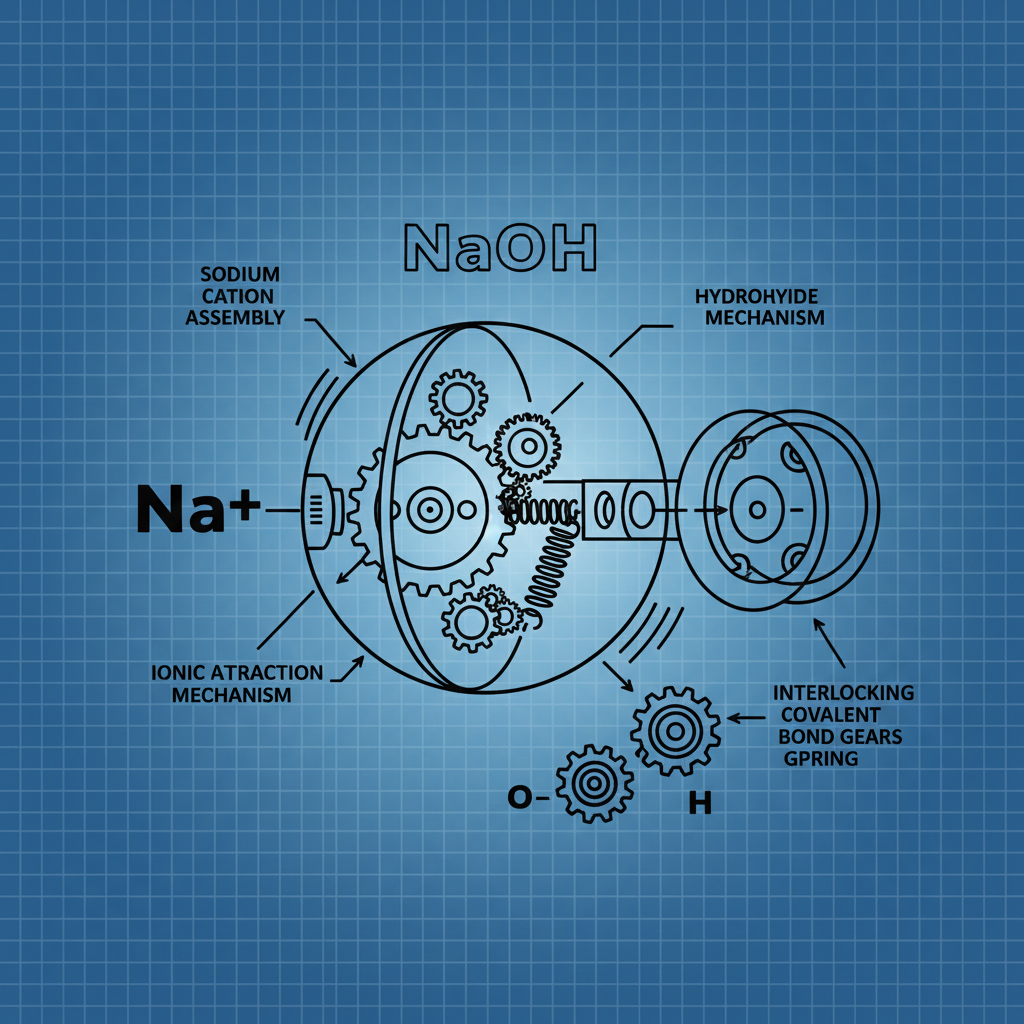
Choosing a reputable supplier is paramount for obtaining consistent quality and reliable delivery of sodium hydroxide. HBJ Rain is a trusted provider, offering a wide range of grades and packaging options to meet diverse industrial needs. We prioritize quality control, ensuring that our products meet stringent industry standards. We also offer competitive pricing and efficient logistics to deliver value to our customers. Partnering with a reliable supplier like HBJ Rain ensures a smooth and safe supply chain.
Conclusion: The Indispensable Role of Sodium Hydroxide
Sodium hydroxide is a fundamental chemical building block across numerous industries. Its unique properties and versatility make it an indispensable component in countless processes. By understanding its characteristics, applications, and safety considerations, businesses can optimize its utilization and ensure a safe and efficient operation.
Frequently Asked Questions (FAQs)
What are the primary hazards associated with sodium hydroxide?
Sodium hydroxide is highly corrosive and can cause severe burns upon contact with skin, eyes, or mucous membranes. Inhalation of dust or mist can irritate the respiratory tract. Ingestion can lead to serious internal damage. It also reacts violently with acids and certain metals, generating heat and potentially flammable gases. Proper handling procedures and PPE are essential to mitigate these risks. Always refer to the Safety Data Sheet (SDS) for detailed hazard information.
How should sodium hydroxide be stored to maintain its quality?
Sodium hydroxide should be stored in a cool, dry, and well-ventilated area, away from direct sunlight, heat sources, and incompatible materials such as acids and metals. Containers should be tightly sealed to prevent moisture absorption and contamination. Avoid storing it in aluminum containers, as a reaction can occur. The storage area should be clearly labeled with appropriate hazard warnings.
What is the appropriate way to neutralize a sodium hydroxide spill?
Neutralizing a sodium hydroxide spill requires careful attention. First, contain the spill to prevent it from spreading. Then, carefully neutralize it with a dilute acid, such as acetic acid (vinegar) or citric acid. Add the acid slowly and cautiously, monitoring the pH as you go. Avoid splashing and generating excessive heat. Once neutralized, the solution can be rinsed away with plenty of water. Always wear appropriate PPE during the cleanup process.